Lhasa Apso vs Shih Tzu: choosing your daily companion
Compare Lhasa Apso and Shih Tzu routines, greetings, coats and everyday needs before deciding which individual dog fits your home.
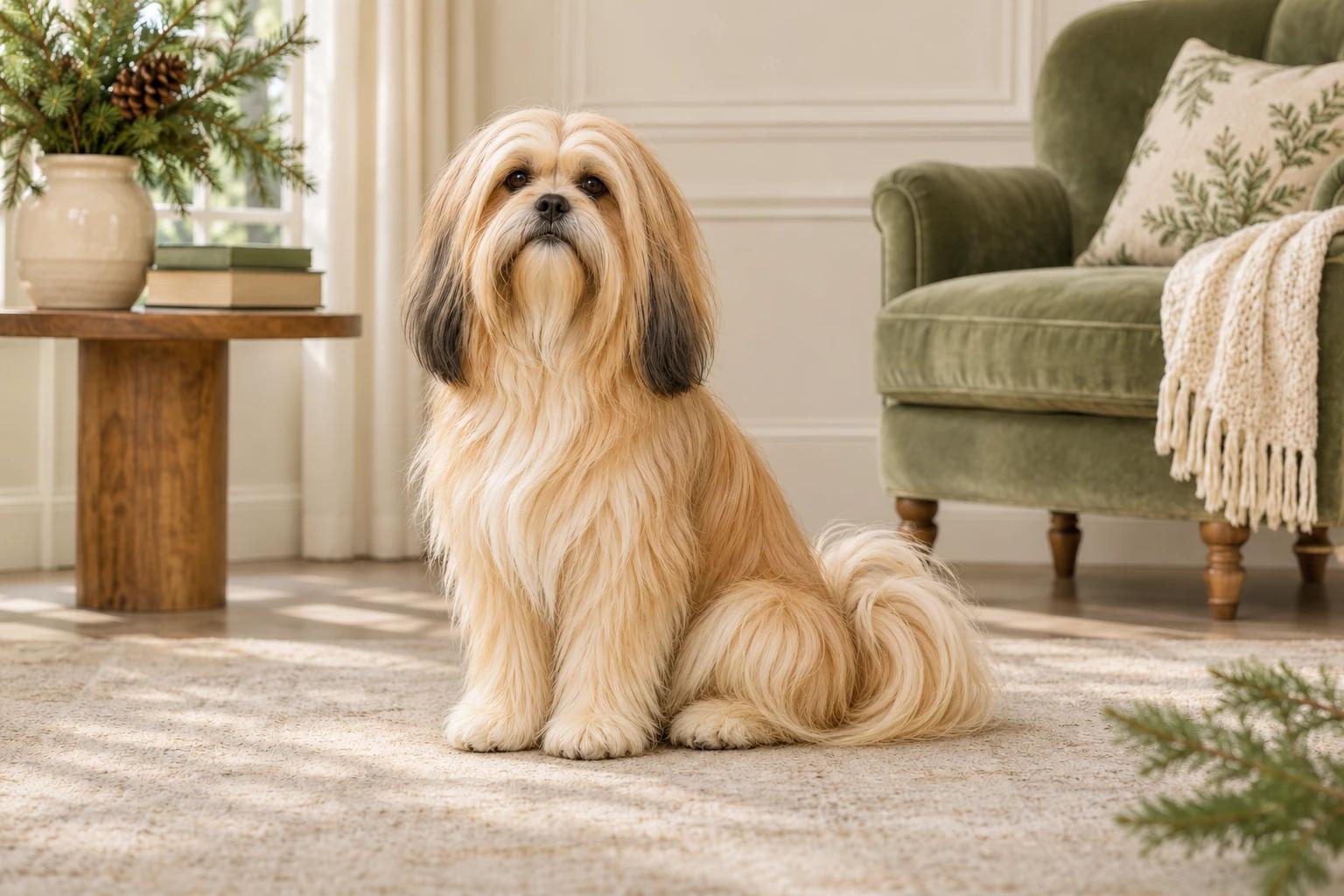
A Lhasa Apso vs Shih Tzu decision is easier when you picture an ordinary Tuesday rather than two beautifully groomed dogs. Who will be home? Where will walks happen? What do you expect when a visitor arrives? Both breeds are small companions with substantial coats, but choosing between them means considering more than a face or haircut.
The most useful comparison separates things you can see, tendencies worth asking about, and arrangements you must make yourself. Neither breed arrives with your household rules already installed. A thoughtful choice begins with the daily life you can offer and ends with a conversation about a particular dog.
Lhasa Apso vs Shih Tzu at first glance
A long coat can disguise shape. The American Kennel Club’s side-by-side breed comparison describes the Lhasa’s muzzle as longer and less square than the Shih Tzu’s, and distinguishes the texture of their full coats. Those are identification clues, not a way to assess how easy either dog will be to live with.
Look at unposed photographs as well as formal portraits. Ask to see the dog walking, resting and wearing its usual pet trim. A haircut can make two breeds look more alike, while a show presentation can make coat maintenance seem like a decorative detail rather than recurring work.
The Lhasa Apso profile and Shih Tzu profile give broader reference points. Use them to prepare questions, not to select equipment by breed name alone. A harness, travel carrier or bed should fit the dog in front of you.
Company is not the same as constant interaction
The AKC’s Lhasa Apso introduction highlights confidence and an affectionate, entertaining side within the family, alongside reserve with unfamiliar people. Its comparison describes the Shih Tzu as an outgoing companion. The practical distinction is what you should explore during introductions, not a promise about every greeting.
If your home regularly hosts visitors, ask how the prospective dog behaves after the first few minutes. Does it choose a resting place nearby, solicit attention, watch from a distance or remain unsettled? Ask what the caregiver does to help. These observations tell you more than “friendly” written on a profile.
A quiet evening also deserves attention. You might enjoy a dog that rests beside your desk without expecting continuous contact, or prefer a companion that frequently approaches. Describe that preference honestly, while remembering that a dog may behave differently during an unfamiliar meeting than at home.
Compare the coat routine you will actually keep
For a Shih Tzu vs Lhasa Apso comparison, ask about the proposed adult haircut early. Full coats and practical trims create different appointments, tools and at-home jobs. You do not need to commit to a show-style coat to appreciate either breed.
Request a demonstration on the actual dog, if possible. Notice whether the caregiver parts the coat to check beneath the surface, how the dog stands or rests, and how breaks are offered. Then ask which parts you will maintain and which belong with the groomer. “We get the dog groomed” is incomplete unless someone also explains care between appointments.
Make a realistic budget with three separate entries: professional appointments, replaceable supplies and your own time. A lower salon price may exclude services you assumed were included. Ask what happens when the coat is tangled, and how far ahead the groomer books. Availability matters as much as a price list when appointments need to fit a work schedule.
Plan walks without turning the comparison into a contest
Small companions still need a day with variety. Think about outdoor access, pleasant walking routes, opportunities to sniff and short games at home. Neither breed should be chosen simply because you hope never to leave the apartment in bad weather.
Rather than asking which breed wins on energy, ask what the individual currently does. Request an ordinary weekday schedule, including rest, outings and time with people. If your preferred leisure activity is a long, fast hike, discuss that expectation before choosing a dog rather than assuming a small companion will adapt to it.
A shared routine should also have a backup. Who takes over when you work late? Where does the dog wait while a delivery arrives? Can you arrange a quieter outing when the usual route is crowded? These logistical details often decide whether ownership feels manageable, regardless of which breed initially attracted you.
Use the same questions for both meetings
When deciding on a Lhasa Apso or Shih Tzu, keep a brief comparison sheet. Record examples rather than awarding points for breed stereotypes:
- What happened when the dog met someone unfamiliar?
- How did the caregiver invite the dog to move away from an interesting distraction?
- What handling and coat-care routines are already familiar?
- What does the dog do during a normal period without direct attention?
- Which parts of the current routine would change in your home?
Do not manufacture a stressful test to fill the sheet. Watch ordinary activity and ask the caregiver for specific observations. If you cannot meet in person, request a conversation and everyday video rather than relying on one appealing photograph.
The difference between Lhasa Apso and Shih Tzu ownership may turn out to be smaller than the difference between two available adults. One might already know an apartment routine; another may have lived with frequent outdoor access. That background belongs in the decision alongside breed tendencies.
Choose the routine before the photograph
Write down your non-negotiable arrangements: reliable care during work, a coat-care plan, a place to rest and time for teaching everyday skills. Then identify your preferences, such as how socially busy your home is. This separates practical needs from assumptions based on appearance.
Our dog match quiz can help organize that thinking. For a separate look at the Lhasa’s background, read the watchdog history behind its long coat. History adds context, but your final decision should rest on present-day care and the individual companion you meet.
FAQ
Are Lhasa Apsos and Shih Tzus the same breed?
No. Lhasa Apsos and Shih Tzus are distinct breeds despite some similar features and related background. Coat styling can make visual identification harder, so appearance alone is not a reliable substitute for documented information about a dog.
Which breed is easier to choose for a busy home?
Choose by the actual schedule and the individual dog’s experience, not by assuming either breed needs little attention. Ask about ordinary greetings, periods apart, grooming appointments and daily outings before deciding whether the arrangement works.
Can both breeds wear a shorter pet trim?
Both can be discussed with a groomer as candidates for practical pet trims. Ask what maintenance the chosen style needs between appointments. A shorter appearance does not remove the need for regular handling and coat care.
Sources behind this article
Article source checked: November 15, 2026. Source checked 2026-11-15
Keep reading

Affenpinscher vs Brussels Griffon: Everyday Differences
Read article →