Lhasa Apso exercise needs: build a varied day
Plan Lhasa Apso exercise around outdoor exploration, indoor games, learning and rest rather than one rigid walking target.
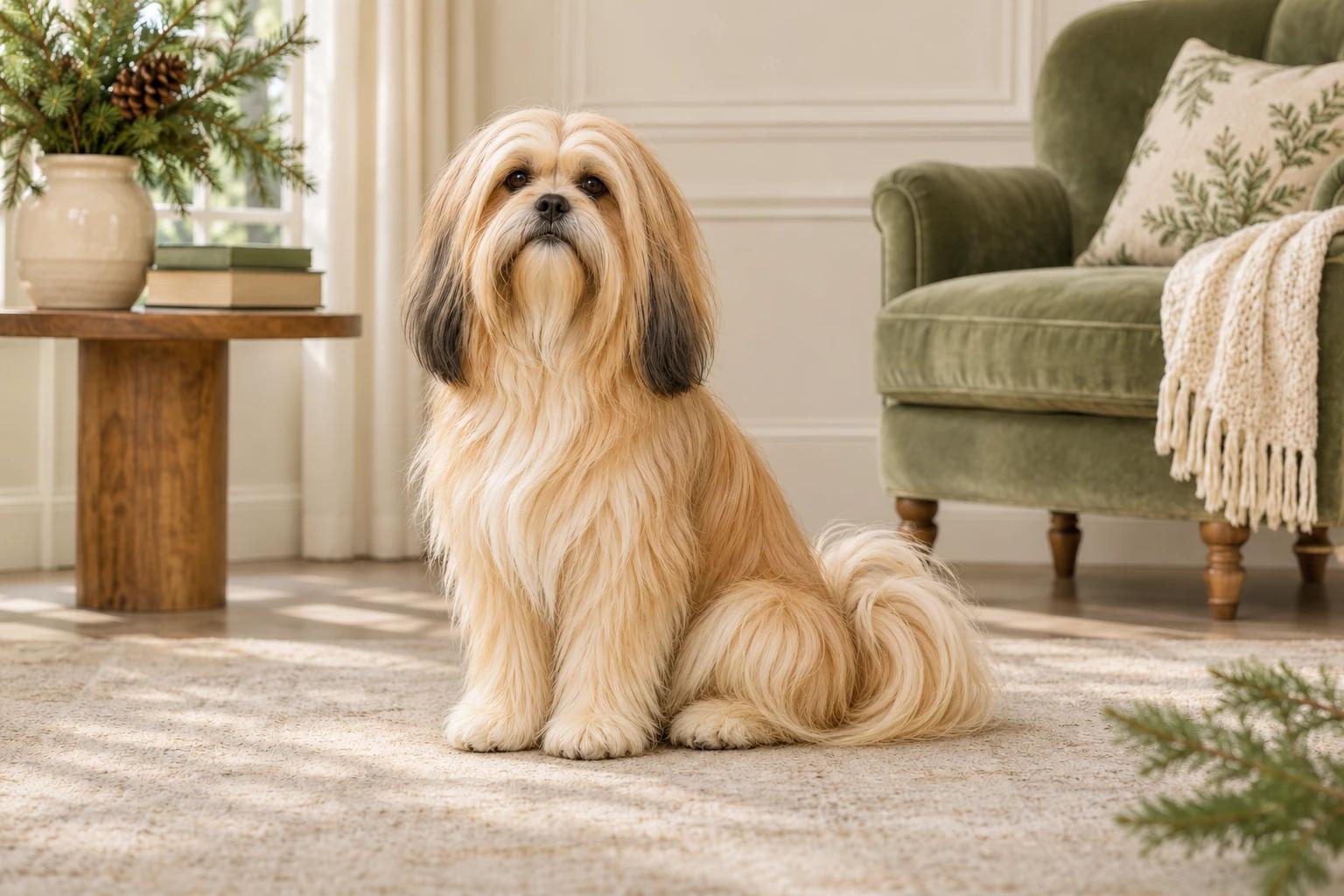
Lhasa Apso exercise needs are best approached as a daily mix: outdoor exploration, movement with you, a little problem-solving and time to settle. A walk matters, but it does not have to carry the entire day. Equally, a small home does not make a varied routine unnecessary.
Begin with the dog’s existing habits and the parts of your day that can reliably support them. The aim is a routine you can repeat on a workday, not an ambitious weekend plan that disappears on Monday. Age, experience and individual condition belong in that plan; ask your veterinarian about suitable activity when those factors raise questions.
Lhasa Apso exercise needs include more than distance
VCA’s Lhasa Apso overview describes an active housedog and points to outdoor walking and sniffing as useful alongside indoor games. That is a helpful distinction: moving around a room and investigating the world outside are different experiences.
Look at your current day in three parts. Does the dog get an outing where it can explore? Is there some shared activity at home? Is there a predictable chance to rest afterward? A missing part is often more informative than the number shown on a walking app.
For example, a hurried trip around the same pavement may cover distance without allowing much exploration. You could keep the route but choose a quieter time, pause at a suitable patch of grass and leave the phone in your pocket. The outing becomes more attentive without needing a longer destination.
Build around the walk you can actually offer
A Lhasa Apso daily walk should fit both the dog and the surroundings. Before choosing a route, consider crossings, pavement condition, crowded entrances and somewhere to turn back. A loop is convenient, but an out-and-back route gives you more control over when to finish.
Keep practical supplies by the door so a short opening in the schedule can become a real outing. Store the lead where everyone can find it and check that the equipment fits the individual rather than relying on a size label. Decide who is responsible for each outing instead of assuming someone else has already gone.
Give toilet trips their own place in the schedule. An exercise plan is incomplete if it treats a quick bathroom opportunity as interchangeable with a relaxed walk. On a busy day, writing both down makes it easier to see what still needs arranging.
If you use a dog walker, explain the route and pace your dog already knows. Ask for a short account of what happened rather than just a duration: which areas were busy, whether the dog wanted to investigate and how the return home went. That information helps maintain continuity between caregivers.
Make indoor play deliberate, not frantic
A Lhasa’s small size opens up indoor possibilities, but choose the space before the game. Clear away trailing cables, unstable objects and anything the dog might collide with. A game should not require racing across slippery flooring to keep up with your enthusiasm.
Try a simple choice game with familiar toys. Put two down, invite the dog to approach one and use that selection to begin a brief interaction. Another option is moving together between two clear places in the room, using a cue the dog already understands. These are ways to spend attention, not tests the dog has to pass.
Rotate a few familiar activities rather than buying a new object whenever interest fades. Write their names on a card by the toy storage: gentle play, a short search and a known training skill. When you are tired, having a small menu makes it easier to do something intentional.
Keep the end of the game equally clear. Put the equipment away, offer access to the normal resting space and allow the transition. Do not keep restarting because the session seems too short from a human perspective.
Give the mind a separate place in the plan
VCA’s enrichment guidance includes problem-solving and learning among ways to enrich a dog’s day. It also emphasizes matching social activities to the dog rather than assuming group play suits everyone. For a Lhasa, a quiet activity with a familiar person is a legitimate option.
Think of learning as its own appointment rather than something you squeeze into the busiest part of the walk. You might practice a familiar hand target in the hallway or make a small search around an uncluttered room. Choose one task and make the setup obvious enough that the dog can engage without a lengthy explanation from you.
Keep any food used for activities within the feeding plan discussed with your veterinarian. There is no need to make every game food-based, and a difficult puzzle is not automatically better than an easy one. Watch what the dog actually does rather than judging enrichment by the product’s description.
Adjust the routine using observations
“How much exercise does a Lhasa Apso need?” is a useful starting question, but a fixed number cannot account for every day or dog. Observe the whole routine before deciding to add more. Note what the outing involved, what happened afterward and whether a change in setting made the day easier or harder.
A simple weekly log might distinguish a busy street walk from a quieter exploratory outing, even when both took the same time. This helps you understand your Lhasa Apso activity level in context. It also prevents a single restless evening from becoming the basis for a much more demanding schedule.
Avoid using exhaustion as the definition of success. The aim is a sustainable day that includes activity and rest, not a dog too tired to move. Sudden changes in willingness or comfort are reasons to consult a veterinarian rather than automatically increasing exercise.
The Lhasa Apso profile offers wider care information, while the dog match quiz can help you think through your available time. The separate article on Lhasa watchdog history explores background; this daily plan should be built around the companion living with you now.
FAQ
Is a garden enough exercise for a Lhasa Apso?
A garden can support play and exploration, but access alone does not tell you how the dog spends its time. Plan shared activity and appropriate outings as well, rather than assuming opening the back door provides a complete day.
Does a Lhasa Apso need one long walk?
A single long outing is not the only way to organize the day. Consider manageable walks, indoor interaction, learning and rest. Discuss suitable activity with your veterinarian when age, conditioning or health history affects the plan.
What can I do when the usual walk is disrupted?
Prepare a quiet alternative route and a few familiar indoor games before you need them. Keep necessary toilet opportunities separate from the entertainment plan, and return to the ordinary routine when conditions allow rather than trying to compensate with a strenuous session.
Sources behind this article
Article source checked: November 15, 2026. Source checked 2026-11-15
Keep reading

Afghan Hound Exercise Needs: Build a Workable Active Day
Read article →