Large Munsterlander Temperament in Everyday Life
Explore Large Munsterlander temperament through working drive, companionship, downtime and practical questions to ask before bringing one home.
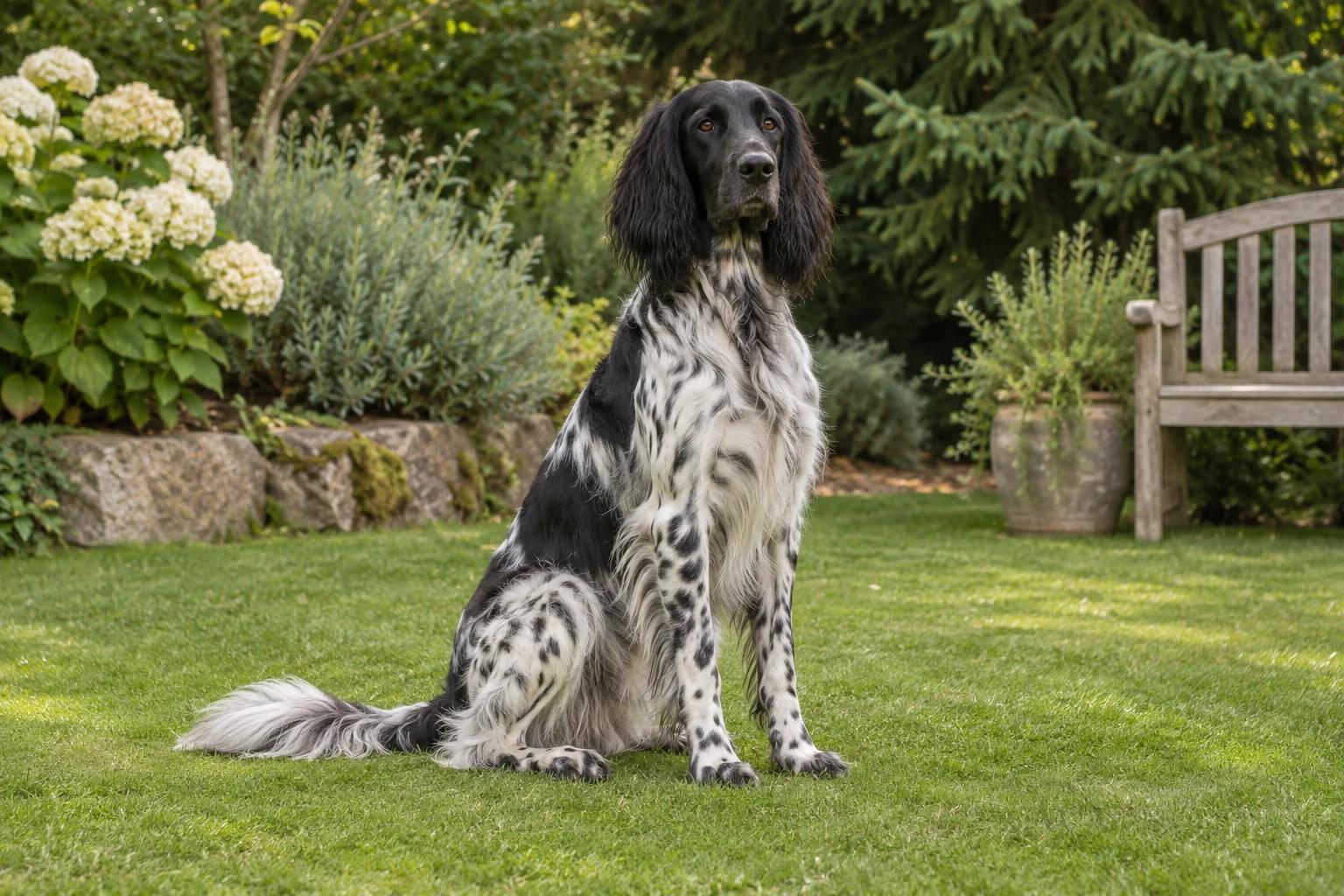
Large munsterlander temperament makes most sense when you picture a working companion sharing your entire day, not simply a dog completing a spectacular retrieve. The UKC standard describes a lively, intelligent and trainable gundog. That is a useful starting point, but living together involves transitions: leaving an interesting walk, settling while you work and listening when something outside is more exciting than you are. UKC Large Munsterlander standard.
Large Munsterlander temperament: interested and involved
A prospective owner should look at how the dog's working interests fit the household. The Large Munsterlander Association of America emphasizes versatile hunting work and tests of hunting ability within its breeding program. This is not merely a decorative background to the breed. It is worth discussing directly with anyone offering you a puppy or adult. Large Munsterlander Association of America.
Ask what an ordinary day looks like for the dogs in that program. Where does their activity happen? What do the owners teach deliberately? What does the breeder expect from a home that will not hunt? The answers give large munsterlander personality a practical meaning beyond words such as clever or affectionate.
For example, imagine that your ideal companion joins occasional weekend walks but spends most weekdays waiting for you to finish a long shift. Before hoping the dog will adapt, explain that schedule honestly. A suitable match requires more than enjoying the same landscape on your days off.
The relationship is built in small exchanges
The Large Munsterlander profile describes a dog with an interest in family interaction. Plan for ordinary companionship as well as formal activity. That can mean a quiet place near your desk, joining you for an appropriate errand or a brief training game between household tasks.
Give shared time a beginning and an end. Put equipment away after a session, offer a clear transition and let resting become part of the daily pattern. You do not need to turn every glance from the dog into another game. Equally, avoid designing a routine in which all interaction happens only after the dog becomes noisy or grabs something.
A useful household agreement is to decide who handles particular moments. One person may manage the morning outing while another prepares the evening training setup. Clear responsibility prevents a dog from receiving three exciting invitations at once and then none during the rest of the day.
Watch the change from outdoors to indoors
When you visit an adult Large Munsterlander, pay attention after the main demonstration. What happens when the lead comes off at home? Does the owner use a familiar resting place? Is the dog still searching for interaction, or ready to pause? Ask what had to be taught to create that routine.
This observation is more informative than asking whether the breed has an off switch. That phrase can hide important details about preparation, experience and the specific setting. A dog may rest comfortably in its familiar kitchen but find a busy holiday rental much harder.
At home, make the landing after an outing uncomplicated. Have water, a coat-check area and a resting space ready. If you need to work immediately afterward, prepare your desk before going out. Otherwise, you may accidentally create a rushed sequence of cleaning, searching for belongings and repeatedly moving the dog out of the way.
Intelligence does not mean mind reading
Among large munsterlander characteristics, responsiveness to training is especially attractive to prospective owners. Do not confuse it with an understanding of rules you have never taught. A dog cannot know that carrying a training dummy pleases you while carrying a slipper does not simply because both objects feel different to you.
Decide which behaviors you want in everyday situations. At the door, would you prefer waiting behind a line or moving to a mat? During food preparation, should the dog rest outside the kitchen or in a designated corner? Pick one arrangement that your household can maintain.
Then look at whether the setup supports the rule. If shoes remain beside the dog's toys, distinguishing them is harder than it needs to be. If you want quiet time near your desk, avoid storing exciting training equipment within easy reach. Environmental choices make your teaching clearer without requiring an endless stream of corrections.
Outdoor interest needs an agreed plan
Discuss how you will handle wildlife, livestock and unfamiliar dogs before exploring new places. Choose routes and equipment that let you maintain control while you learn the individual's responses. Do not use a first countryside visit as an experiment in whether the dog will return when called.
For a working household, find an instructor who understands your intended activities and uses reward-based teaching. Explain which household skills already work and which do not. A good plan connects everyday cooperation to specialized work rather than treating the two as unrelated projects.
For other homes, be equally specific about purposeful activities. Instead of saying you will keep the dog busy, name the places you can use, the instruction available and the time you can consistently provide. Ask an experienced breed owner to challenge that plan before you commit.
Describe behavior before assigning a label
If large munsterlander behavior puzzles you, write down what actually happened. “Would not settle” might mean pacing after a stimulating visit, repeatedly bringing toys during a video call or becoming distressed when left alone. Those situations need different questions.
Note the setting, what happened immediately beforehand and what helped the dog return to its usual routine. A trainer can use that information more effectively than a description such as stubborn. Sudden or concerning changes belong in a discussion with your veterinarian; a breed label is not an explanation for a new problem.
Before choosing a dog, ask its caregiver for one situation the dog finds easy and one that still needs work. Concrete answers reveal more than a list of flattering adjectives. For wider ownership priorities, use the breed quiz. The foundation-list history provides separate background without replacing a conversation about present-day life.
FAQ
Is a Large Munsterlander naturally obedient?
The breed standard values trainability, but a dog still needs to learn your cues and routines. Assess the individual's experience and build clear expectations rather than expecting immediate obedience from a breed description.
What should I observe during a breeder visit?
Watch ordinary transitions as well as exciting activity. Ask how the dogs spend quiet time, how they respond to changed plans and what the breeder teaches deliberately. Those details help you picture daily life.
Does a garden meet a Large Munsterlander's needs?
A garden is a space, not a complete activity plan. Explain your proposed training and outdoor routine to a breeder or experienced instructor, including what happens on working days and when normal plans are interrupted.
How should I investigate a behavior concern?
Describe the behavior, setting and recent changes rather than assuming it is typical of the breed. Seek a qualified trainer for teaching difficulties and consult your veterinarian about sudden, persistent or concerning changes.
Sources behind this article
Article source checked: November 15, 2026. Source checked 2026-11-15
Keep reading

Airedale Terrier Temperament: What Everyday Life Can Feel Like
Read article →