Labrador Retriever vs Flat Coated Retriever
Compare Labrador Retriever and Flat-Coated Retriever coats, companionship and training commitments to find a practical everyday match.
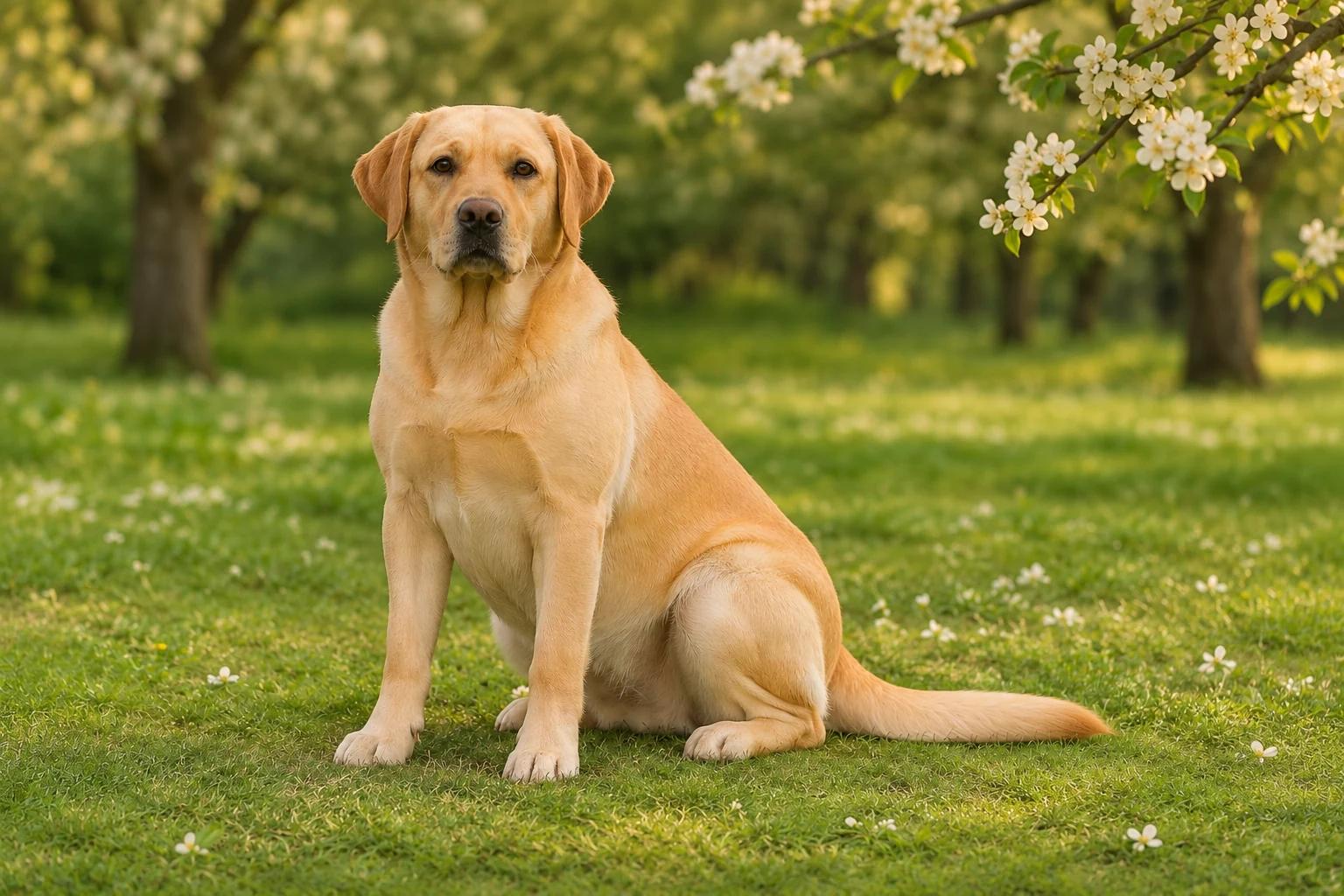
The Labrador Retriever vs Flat Coated Retriever choice brings together two sporting dogs with plenty of enthusiasm for shared activity. A Labrador's short coat and a Flat-Coat's longer outline make them easy to distinguish, but looks are only the beginning. The more useful comparison is how you want to spend time with your dog, what coat care you will maintain and which particular dog's background suits your home.
Labrador Retriever vs Flat Coated Retriever: the visible difference
UKC describes the Labrador's dense short double coat and substantial, balanced working build. The Flat-Coated Retriever standard describes a moderately long, flat-lying coat and a distinctive long head. These differences make the Flat-Coat more than a long-haired version of a Labrador: each has its own breed outline and history. UKC Labrador standard; UKC Flat-Coated Retriever standard.
For an owner, the coat contrast is immediately practical. With a Flat-Coat, ask to see how the longer hair is managed after a walk through vegetation. With a Labrador, do not confuse a short haircut-free coat with a home that needs no cleaning. Look at the actual dog and talk through the carer's routine rather than buying a brush solely because the label says retriever.
If you walk on muddy paths, think about the return journey. Where will the dog be dried? Can your car setup be cleaned easily? Is there a suitable place to check the coat before the dog heads indoors? A preference for one silhouette is perfectly reasonable, but it should come with a realistic plan for living with that coat.
Two working backgrounds, not an active and an inactive option
The Labrador and Flat-Coat standards both describe retrieving dogs with working enthusiasm. UKC highlights the Flat-Coat's enjoyment of work and play; it describes the Labrador as an eager hunter willing to cooperate. Neither description suggests choosing the breed simply to avoid providing activity and teaching.
Make your comparison around the activities you actually enjoy. Are you interested in training a cooperative retrieve? Would you like to attend a class or explore suitable dog sports? Do you prefer varied walks with opportunities to investigate? Talk to owners about the ordinary version of those activities, not only competition highlights.
There is a difference between admiring a capable sporting dog and wanting to organize your week around one. If your imagined dog joins long outings only during holidays, consider the weekday gap. If daily interaction and learning sound enjoyable in themselves, both breeds may deserve a closer look.
Compare the dogs behind the breed descriptions
An appealing difference between Labrador Retriever and Flat Coated Retriever prospects may turn out to be experience rather than breed. One adult may already know how to travel quietly in a car. Another may have lived in a rural setting and find urban traffic unfamiliar. Those facts could matter more to your first months together than a broad temperament comparison.
Ask the same concrete questions of both carers. What happens when the lead comes out? How does the dog respond when another dog passes? What does the dog do while people eat? How is a quiet evening different from an exciting visitor day?
For puppies, discuss the adult relatives and the experiences being introduced. Avoid selecting solely on which puppy rushes forward first. A viewing is a brief encounter, and a strong first impression can obscure important details about the future care arrangement.
Friendliness does not teach the household rules
Both breeds are described positively for sociability in their standards. That does not mean either arrives knowing how to keep four paws on the floor at the door or walk past a picnic. If you picture an affectionate companion, also picture teaching the practical skills that let that companion take part in your life.
For a Labrador, avoid letting familiarity with the breed create automatic confidence. Your neighbor's polished adult dog has a history you may never have seen. For a Flat-Coat, avoid treating a lively reputation as a reason to postpone learning. Choose a trainer who can help translate enthusiasm into useful activities rather than promising a particular personality by a certain birthday.
Think about where your dog needs to succeed. A crowded apartment entrance, a busy campsite and a quiet detached home ask different things of a retriever. List the first few situations you want help preparing for, then discuss them with a class instructor before enrollment.
Size planning without a contest over the bigger dog
Both candidates need enough room to rest, move and travel comfortably. Compare actual adult measurements whenever possible rather than deciding that a small difference in a published range solves a space problem. Measure doorways, vehicle space and the area where a bed would sit without obstructing people.
For a puppy, use the family information to plan with some margin. Do not buy equipment so precisely around an estimate that normal growth leaves no room. A well-fitted harness and an appropriately sized travel arrangement matter more than declaring one retriever categorically easier to accommodate.
Also consider handling. Could you manage this individual on your normal route while training is still in progress? If not, identify what support and management would be needed. Choosing a dog should include your starting situation, not only the adult partnership you hope to achieve.
Labrador Retriever or Flat Coated Retriever: a useful final question
Ask which dog's everyday care you would willingly repeat on an ordinary wet weekday. The answer should include the outing, the return home, the coat care and the time spent learning together. If one option mainly wins because of a photograph, meet more adults before making a decision.
Read the Labrador Retriever profile and Flat-Coated Retriever profile for broader reference information. Once the match looks realistic, the Labrador family planning article addresses shared responsibilities. The breed quiz can help clarify which preferences are essential and which are flexible.
FAQ
Is a Flat-Coated Retriever just a long-haired Labrador?
No. The Flat-Coated Retriever and Labrador Retriever are separate breeds with distinct standards and outlines. The coat is an obvious difference, but compare each dog's working background, experience and daily routine rather than treating one as a coat variation of the other.
Which is the quieter companion?
A breed comparison cannot tell you which individual will be quieter in your home. Ask about the dog's actual responses to visitors, outdoor activity and rest periods. Describe your surroundings so the carer can discuss relevant examples rather than a general label.
Does the Labrador's short coat eliminate grooming?
No. A short coat still needs appropriate care, and the rest of the dog needs routine attention too. Ask a groomer or knowledgeable carer to show the relevant routine. Compare that work with the longer-coated Flat-Coat's care before choosing.
Is Flat Coated Retriever vs Labrador Retriever a choice for beginners?
A beginner can assess either breed, but should not rely on a friendly reputation as a substitute for preparation. Consider the time for activity, teaching and care, and arrange support appropriate to the specific dog and home.
Sources behind this article
Article source checked: November 15, 2026. Source checked 2026-11-15
Keep reading

Affenpinscher vs Brussels Griffon: Everyday Differences
Read article →