Labrador Retriever Temperament in Everyday Life
Understand Labrador Retriever temperament beyond the friendly reputation, including enthusiasm, attention, play and learning to settle.
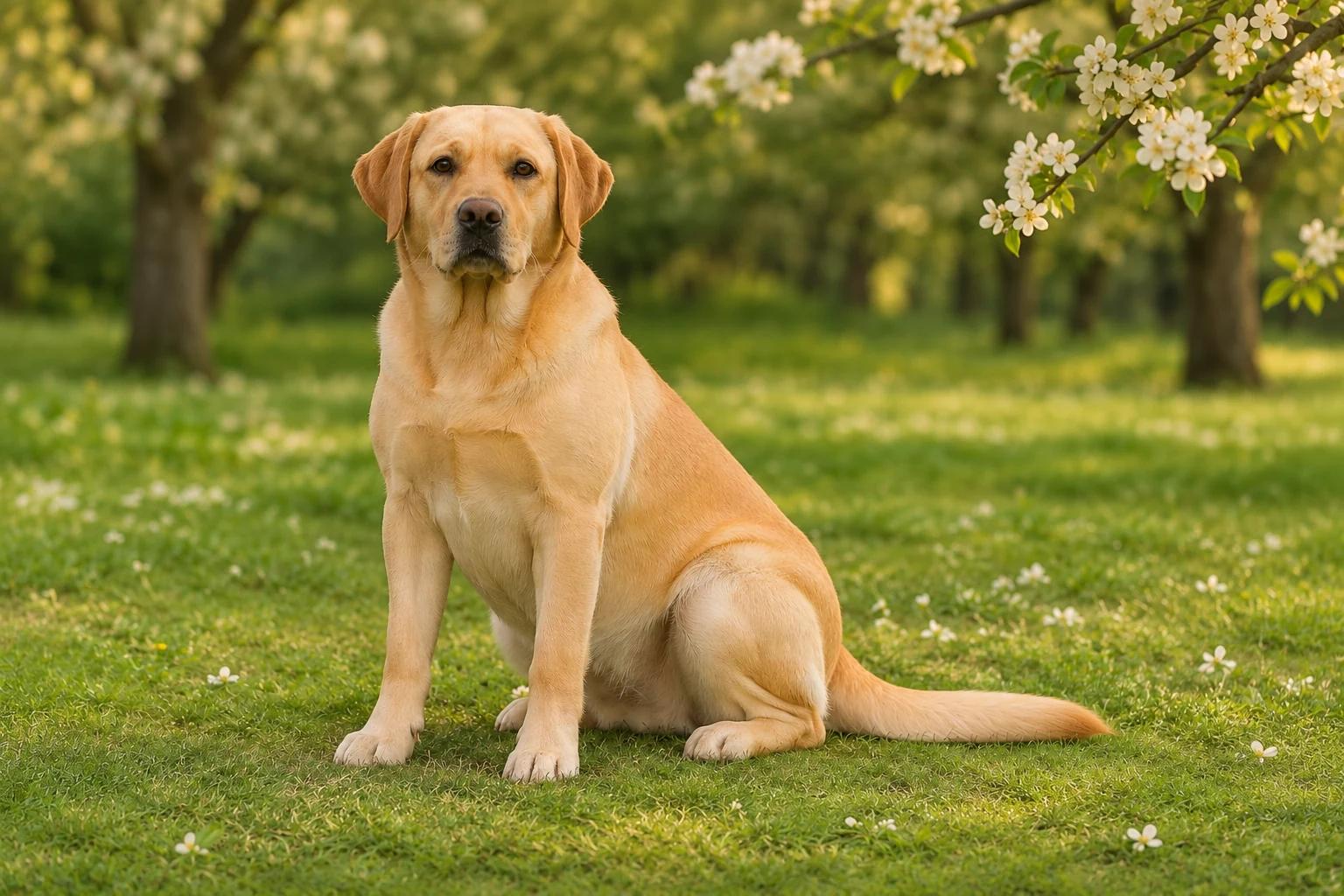
Labrador Retriever temperament is often summed up as friendly and outgoing. That is a useful starting point, but it leaves out the part an owner experiences every day: how enthusiasm is expressed. A Labrador may want to join the outing, carry the toy, investigate the shopping bag and greet the person at the door. Living comfortably together means understanding those interests while teaching the skills and routines that make them manageable.
Labrador Retriever temperament is more than friendliness
AKC describes the Labrador as an affectionate, lively companion. The UKC standard also emphasizes willingness to work with people and a retrieving background. These descriptions explain the breed's appeal without promising that every Labrador will respond identically in every home. AKC Labrador overview; UKC Labrador standard.
The important distinction is between disposition and practice. A dog may want to meet someone but not know how to do so politely. It may enjoy learning while still being distracted by an unfamiliar setting. It may be affectionate without wanting constant touching. Treat those as different questions instead of expecting the word friendly to answer them all.
This is especially helpful when comparing a young Labrador with the settled adult you remember from childhood. You remember the finished relationship, not necessarily the training and management that preceded it. Choose expectations based on the dog in front of you.
Enthusiasm can look different at the doorway and outdoors
Picture two ordinary situations. At home, a Labrador brings a toy when someone arrives. On a walk, the same dog pulls toward an interesting person. Both might involve an interest in interaction, but the practical response needs to fit the setting. A toy at the door might be part of a manageable greeting. Pulling near traffic requires a safer setup and teaching.
Describe the event before assigning a personality label. What was happening? How close was the person? What did the dog do next? Could the dog move away or return attention to the handler? This helps you distinguish a skill to practise from a situation the dog finds difficult.
Ask a breeder or rescue for similar examples. If the description is simply loves everyone, ask what that looks like on a lead, through a gate and with visitors already sitting down. Specific answers are far more helpful than a broad promise about sociability.
A retriever's interests can become shared activities
A Labrador's retrieving heritage makes carrying and cooperative toy games sensible interests to explore. It does not require every Labrador to enjoy the same toy or bring it back in the same way. Find out what your dog actually chooses before building an entire routine around fetch.
A dog who likes carrying might enjoy an appropriate toy during a calm walk around the garden. Another may prefer a supervised search or a small training challenge. Keep valuable household items out of reach rather than relying on a natural soft mouth to protect them. A breed description is not permission to leave shoes and electrical cables available for experimentation.
Watch for the parts of a game your dog finds rewarding. Perhaps the return journey is easy but handing over the object is not. That gives you a teaching priority. It does not mean the dog is failing to be a Labrador. A trainer can help break a complicated activity into smaller cooperative pieces.
Rest is something to notice and support
Labrador Retriever personality descriptions often emphasize the energetic side. Quiet time deserves attention too. VCA explains that settling is a learned life skill and that looking still is not the same as being emotionally relaxed. It recommends reward-based practice and professional evaluation when progress is persistently difficult. VCA teaching settle and calm.
For a prospective Labrador, ask about an ordinary evening in the current home. What happens after the last outing? Where does the dog spend time while people watch television? A carer might describe a familiar pattern, or explain that this part of the dog's history is unknown. Either answer is more informative than a claim that the dog has an off switch.
If you already have a Labrador, take a short video of an ordinary evening to discuss with your trainer, alongside your notes about the day's events. Include the surroundings, not just a close-up of the dog. A doorway, passing person or moving curtain may be relevant context that a written label such as restless leaves out.
Handling and personal space still matter
One of the most useful Labrador Retriever characteristics to cultivate is comfortable cooperation with routine care. Even a dog who enjoys company may need patient practice around brushing, paw handling or equipment. Friendliness should never be used to dismiss hesitation.
Ask the current carer to list the equipment used and show where each task usually happens. Note whether you have a comparable space at home. If appointments involve another person, ask what information that person can share about the routine. This creates a useful handover rather than leaving you to reconstruct the whole process from a bag of unfamiliar brushes.
This distinction also matters when introducing visitors. Tell people how to interact with your dog instead of expecting the dog to absorb whatever attention arrives. Giving a dog a way to withdraw is compatible with sociability; it does not undermine it.
Read behavior across a week, not one busy afternoon
For useful insight into Labrador Retriever behavior, keep short notes about ordinary situations. Include a walk, a quiet period, a familiar visitor and a routine care activity. Record what happened without declaring that one awkward moment defines the dog.
Look for changes you can make to the setting or your own clarity. If everyone uses a different word for the same behavior, simplify the cue. If the busiest doorway repeatedly creates a problem, practise somewhere easier first. Avoid waiting for a supposed maturity date to solve a routine that needs teaching now.
The Labrador Retriever profile gives broader care context. Use the breed quiz to consider the daily commitment, and the separate family-plan article when you are ready to assign responsibilities. Understanding temperament helps you choose the relationship; consistent everyday care helps you build it.
FAQ
Are Labrador Retrievers naturally obedient?
A willingness to work with people does not replace teaching. A Labrador still needs to learn what cues mean and practise them in relevant settings. Judge progress by observable skills, not by whether the dog matches a reputation for easy training.
Does a Labrador who jumps up have a bad temperament?
Jumping alone does not establish a dog's whole temperament. Consider the context, excitement and training history. Manage greetings so they are safe and ask a reward-based trainer for help teaching an alternative if needed.
Will a Labrador automatically become calm with age?
Age alone is not a complete plan for comfortable household behavior. Provide suitable activity, opportunities for rest and clear teaching. Persistent difficulty settling or a sudden change warrants professional advice rather than simply waiting for another birthday.
Sources behind this article
- United Kennel Club: Labrador Retriever ↗
- American Kennel Club: Labrador Retriever ↗
- VCA Animal Hospitals: Teaching Settle and Calm ↗
Article source checked: November 15, 2026. Source checked 2026-11-15
Keep reading

Airedale Terrier Temperament: What Everyday Life Can Feel Like
Read article →