Kromfohrlander Personality: Sharing an Active Home
Get to know Kromfohrlander personality through companionship, learning, visitors, and the daily routines an owner can realistically offer.
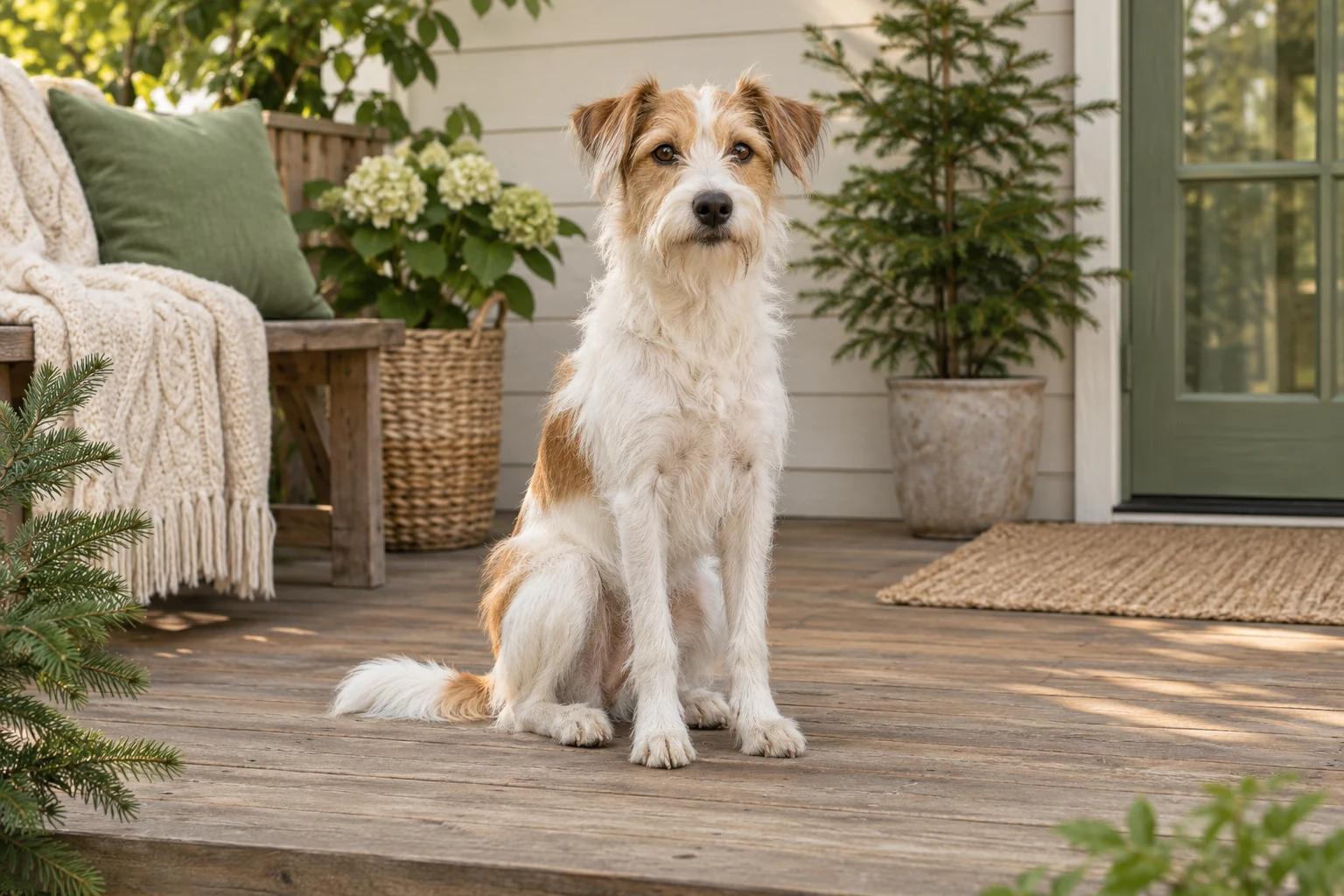
Kromfohrlander personality is closely tied to companionship. If you imagine a dog sharing your ordinary activities rather than simply joining occasional weekend outings, this breed deserves a careful look. The AKC overview describes a sensitive, affectionate companion. What matters next is whether your actual week has room for that relationship: company, learning, outings, and opportunities to rest without being drawn into everything happening around the house.
Kromfohrlander personality starts with shared time
The Kromfohrlander Club of America emphasizes the breed's interest in being near its people. Think about what companionship would look like in your home. Working at a desk with a dog resting nearby is one arrangement. Being out for much of the day and expecting the dog to fit into a brief evening slot is another.
Write down who is actually available during the week, rather than who hopes to be available. Include commuting, appointments, and regular activities away from home. If care depends on someone else, talk through the details before bringing a dog home. An agreement to help occasionally is not the same as a dependable daily arrangement.
Closeness also needs a practical layout. Give the dog a resting spot near household life without placing it directly in a busy walkway. If the favorite room is your office, check whether the dog can settle while a chair moves or someone enters. A small change in furniture placement can make shared time easier.
Activity should have a place in the week
A companion breed is not a decorative addition to the sofa. Look at the Kromfohrlander profile alongside your schedule and ask where active time will fit on a normal workday. A plan that works only during a holiday is unlikely to describe everyday ownership.
You could divide shared activity into different purposes: an outing to explore, a brief learning session, and a quiet period afterward. The exact arrangement should suit the individual dog's age and needs. Your aim is to create a rhythm you can maintain, not to assemble the longest possible list of activities.
Try planning for an inconvenient day as well. What happens when it rains, a meeting runs late, or the usual walking route is unavailable? Having a second option is more useful than promising that your preferred routine will never change. Ask the breeder or current keeper which activities the dog already knows and enjoys.
Teaching can be part of the relationship
The breed club recommends reward-based training and patient, consistent guidance. Choose small household skills that will make life together clearer. Coming to a particular spot before an outing, releasing an object when asked, or settling while you prepare food can each become a practical learning project with professional guidance where needed.
Keep the task separate from the distraction at first. If you want the dog to settle beside your desk, begin when you are not simultaneously taking an important call. That gives you room to notice what the dog is doing and respond consistently. Once the setup is familiar, you can work toward using it in ordinary life.
Agree on words and expectations with other household members. It is confusing if one person invites jumping during a greeting while another wants all greetings to happen on the floor. You do not need a complicated rulebook, but you do need a shared answer to common situations.
Sensitivity is a reason to pay attention to how you teach, not a reason to avoid teaching altogether. If a session becomes frustrating, make the next attempt simpler and seek help rather than escalating pressure. Progress can be recorded in useful specifics: which setting worked, what reward helped, and where the task became difficult.
Let new relationships develop at the dog's pace
The club notes that Kromfohrlanders may assess unfamiliar people and situations before feeling comfortable. That makes a flexible greeting plan useful. Tell visitors what you would like them to do before they enter rather than trying to explain over an excited arrival.
For example, a visitor could sit down and let the dog choose whether to approach. Another dog might prefer to rest separately while people settle in. Ask the current keeper what works for that individual, and avoid making physical contact the measure of a successful visit.
When meeting a prospective dog, observe more than the first greeting. Watch what happens after the novelty fades. Can the dog return to its own activity? Does it seek interaction repeatedly, or choose a little distance? Those details tell you more about daily companionship than a single enthusiastic or hesitant moment.
Describe behavior without turning it into a label
Kromfohrlander behavior will be easier to discuss if you describe the scene. “Barked when the delivery arrived” gives you a starting point; “is difficult” does not. Note what happened before and afterward, and what the dog could or could not do in that setting.
The same applies to play. Ask what games the dog enjoys, how a session ends, and whether everyone in the household understands the routine. A charming habit can become inconvenient if people respond to it differently. Decide what you want to encourage before repetition makes that decision for you.
Kromfohrlander characteristics are useful research prompts, not a checklist every individual must satisfy. Meet dogs where possible and ask owners about ordinary weekdays as well as favorite stories. Photographs also show only part of the breed: our article on the smooth-coated Kromfohrlander's appearance explains why coats can look different without telling you how a dog will behave.
FAQ
Is a Kromfohrlander mainly a companion dog?
Companionship is central to the breed's description, but it includes activity and learning as well as proximity. Plan for a dog taking part in your daily life rather than assuming that being a companion means needing little attention.
Will a Kromfohrlander enjoy every visitor?
Do not assume so. Ask about the individual dog's experience and allow greetings to proceed without forced contact. A comfortable visit may involve quiet coexistence rather than immediate affection toward someone new.
How can I decide whether this personality suits me?
Compare your real weekly availability with the kind of companionship you want. The breed quiz can help organize those preferences. Follow it with conversations about particular dogs, their routines, and the support available from a breeder or placement organization.
Sources behind this article
Article source checked: November 15, 2026. Source checked 2026-11-15
Keep reading
Kromfohrlander Size: Adult Height and Weight
Read article →