Japanese Spitz vs Pomeranian: Size, Coat and Daily Life
Compare Japanese Spitz and Pomeranian size, coat care and everyday logistics before choosing the dog that fits your routine.
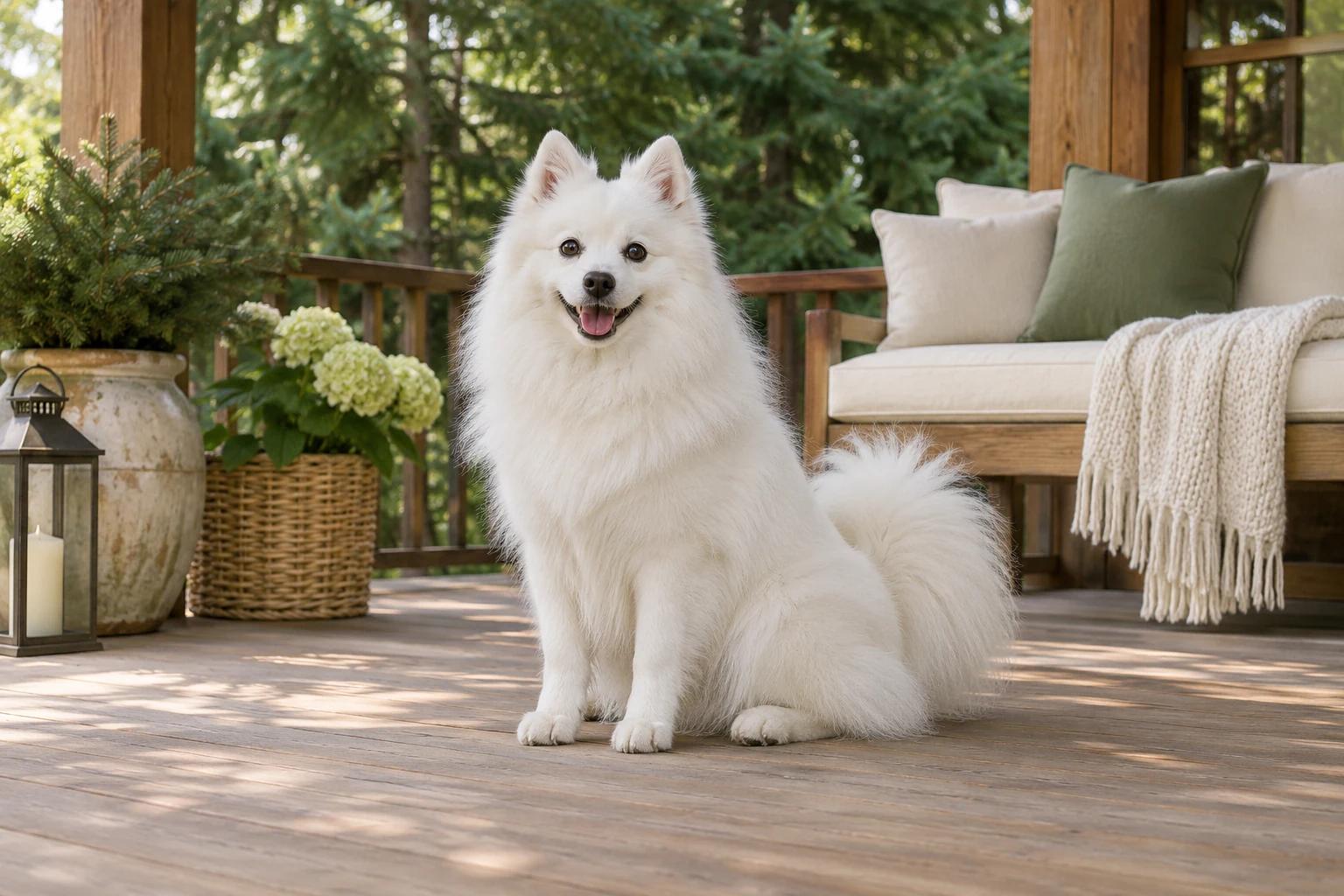
Japanese Spitz vs Pomeranian often begins with a photograph: pointed ears, a plumed tail and a cloud of coat. But the resemblance can hide a substantial size difference. The better question is not which looks like a smaller version of the other. It is which dog fits the handling, grooming and activity arrangements you can provide every day.
Start by separating appearance from logistics. A white Pomeranian is not automatically a Japanese Spitz, and a fluffy outline does not tell you the dog's measurements. Confirm identity and background with the caregiver, then compare the actual dog with your household needs.
Japanese Spitz vs Pomeranian: size changes the equipment
The Japanese Spitz profile lists adult reference ranges of 12–15 inches and 10–25 pounds. The Pomeranian profile lists 6–7 inches and 3–7 pounds. This is the clearest practical difference between Japanese Spitz and Pomeranian ownership: equipment that works for one may be unsuitable for the other.
Do not buy a carrier because an online photograph shows a similarly fluffy dog inside it. Obtain the individual dog's length, height and current weight, then check the manufacturer's fitting guidance. A transport bag that is convenient for you still needs to accommodate the dog appropriately.
Think about where that carrier will live. Can it be secured in your car using its approved arrangement? Does it fit through your doorway without being tilted awkwardly? Is there room to open it fully at your destination? These questions become more useful than comparing breed names on a product listing.
The same applies to a resting area. Mark the proposed space on your floor before shopping. A small apartment may have ample room for a Japanese Spitz if circulation and outdoor access work well, while a larger house can still have an inconvenient setup for a Pomeranian.
Similar silhouettes, different details
The FCI Japanese Spitz standard describes a white coat, erect triangular ears and a feathered tail over the back. The AKC Pomeranian standard describes a compact, square toy dog and permits a broad range of coat colors and patterns. Both standards describe a double coat.
Look beyond color when meeting dogs. Ask to see the dog standing naturally and moving, rather than judging a trimmed portrait or an especially full coat. A puppy's appearance is not a reliable substitute for information about its parents and expected adult size.
For anyone asking “Pomeranian vs Japanese Spitz: which is the white one?”, the useful answer is that white is the Japanese Spitz's standard color, but Pomeranians can also be white. Color alone cannot establish which breed you are looking at. Documentation and a knowledgeable account of the dog's background matter more than a quick visual guess.
Decide whether you want to maintain the coat, not just admire it
Two double coats do not make every grooming appointment interchangeable. Ask a groomer what maintaining this dog's current coat involves at home, what tools they expect you to use and what they would include in a professional visit.
Arrange to see the caregiver's actual routine if possible. Notice the workspace, how the dog is positioned and whether the appointment includes time for the coat beneath the visible outer layer. Ask how care changes when more loose hair is appearing. An owner who enjoys the finished result may still dislike the repetitive work needed between appointments.
Consider the practical scale too. The Japanese Spitz's larger reference size means a different amount of dog to position and work around; the Pomeranian's smaller body does not remove the need for careful technique. Choose according to what you can comfortably maintain, not the assumption that the smaller dog takes no effort.
At home, identify a storage place for the kit and a washable resting cover. If you share care duties, agree on who handles grooming before the dog arrives. A routine assigned vaguely to “whoever has time” is less useful than a modest, clearly owned task.
Meet the personalities in ordinary circumstances
The AKC Japanese Spitz overview presents the breed as an intelligent, companionable participant in outings. The Pomeranian standard describes an animated, inquisitive character. Neither description tells you how a particular dog will settle during a video call or respond to a busy hallway.
Ask about transitions, not only favorite activities. How does the dog behave when a walk ends? What happens after a visitor leaves? Can the caregiver describe an uneventful afternoon? These details help you picture the entire day rather than just the entertaining moments.
If noise matters in your building, bring a specific example: footsteps outside the flat, a delivery buzzer or neighboring dogs. Ask what the individual dog does and what management is already in place. Do not make a quiet visit the basis of a promise about future barking.
For Japanese Spitz or Pomeranian households with several caregivers, compare expectations before choosing. One person may imagine regular outdoor adventures while another imagines a dog carried through most outings. Discuss how walks, play, grooming and time alone would actually be shared.
Use a trial timetable, not a breed scoreboard
Write tomorrow's real schedule down. Include the commute, school run if relevant, work calls and evening commitments. Put the dog's care into the gaps that genuinely exist. Then do the same for your busiest weekday, not only your most relaxed weekend.
Where the timetable fails, name the missing arrangement. You may need another caregiver, an earlier outing or professional grooming support. Those are concrete problems to solve. Switching from a Japanese Spitz to a Pomeranian does not automatically solve a shortage of time or company.
Before deciding, ask the breeder or rescue which parts of your plan seem unrealistic for this particular dog. A useful conversation may change your equipment choices or reveal that neither candidate fits right now. The breed quiz can help organize a broader shortlist. For a separate account of the Japanese Spitz's background, read the existing development-history article.
FAQ
Is a Japanese Spitz bigger than a Pomeranian?
The listed adult reference ranges put Japanese Spitz above Pomeranians in both height and weight. Measure the individual dog before buying a carrier, harness or bed, because equipment should fit the dog rather than a breed average.
Is a white Pomeranian the same as a Japanese Spitz?
No. They are distinct breeds, and white can occur in Pomeranians. A white coat and pointed ears are not enough to establish breed identity; ask about the dog's documented background.
Which breed needs less attention?
Neither should be chosen as a solution to having little time for a dog. Compare the individual's established routines and your arrangements for company, outings, grooming and training rather than assuming smaller size means fewer commitments.
Sources behind this article
Article source checked: November 15, 2026. Source checked 2026-11-15
Keep reading

Affenpinscher vs Brussels Griffon: Everyday Differences
Read article →