Japanese Spitz Grooming: Care Beneath the White Coat
Plan Japanese Spitz grooming around the double coat, practical brushing lessons, loose-hair cleanup and a complete bath-and-dry routine.
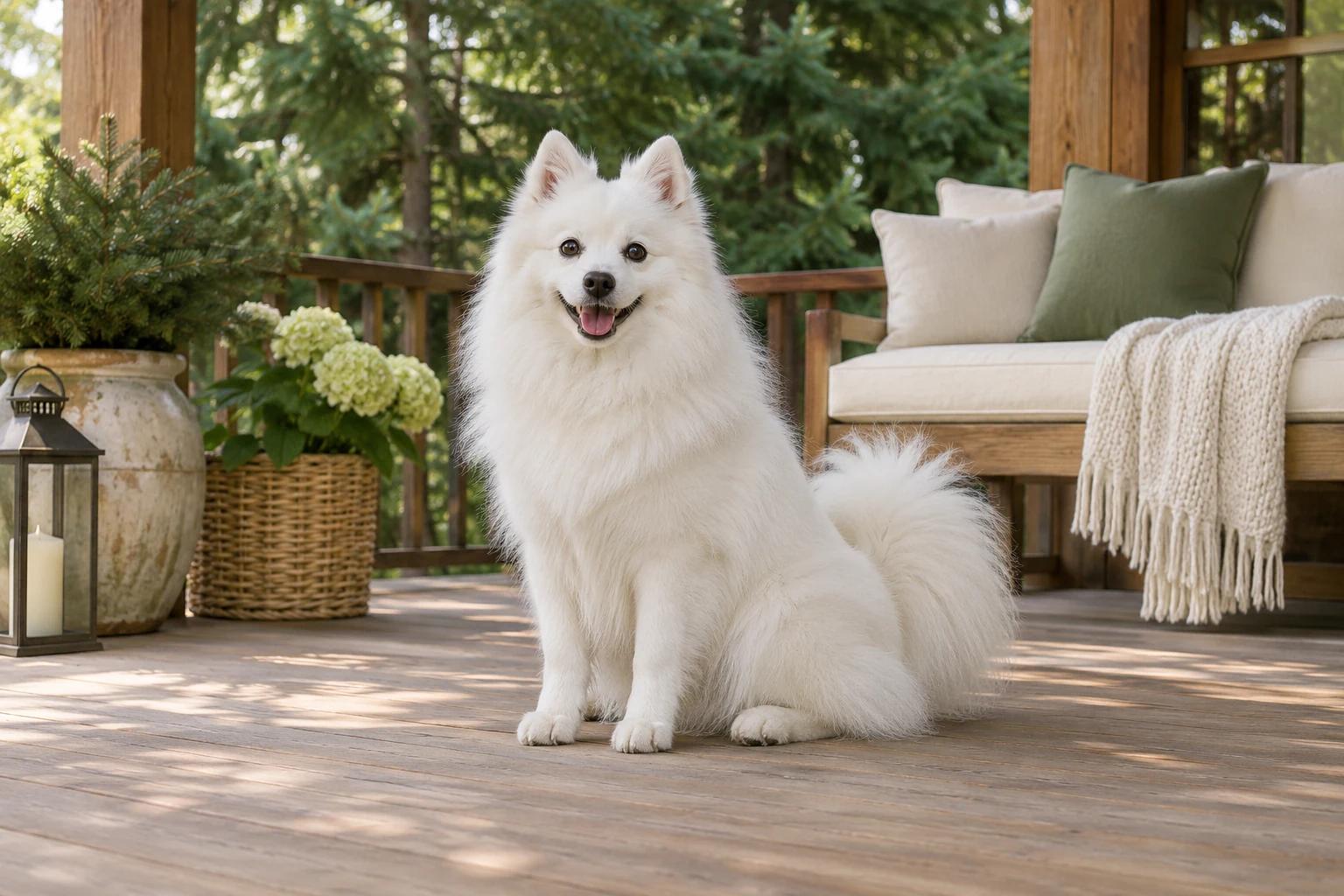
Japanese Spitz grooming begins beneath the white outer coat. A dog can look beautifully brushed while loose hair or tangles remain deeper down. The useful goal is a coat you can inspect and maintain, not simply a bright white outline in a photograph.
For a first-time Spitz owner, the most valuable purchase may be a lesson with an experienced groomer rather than another brush. Ask to see how they work through your dog's coat and how they decide a section is finished. Then build a home routine that you can actually repeat.
Japanese Spitz grooming: work with the two layers
The FCI standard describes a straight, stand-off outer coat over short, soft, dense undercoat. The neck and chest have a fuller frill, and the tail carries long feathering. Those features make it important to look beyond the outer silhouette.
Japanese Spitz coat care is not the same as polishing a smooth surface. If your brush passes easily over the top, that alone does not tell you what is happening underneath. Ask your groomer to demonstrate how to part and examine a small section without pulling at the skin.
The Northern Japanese Spitz Club grooming manual describes methodical section-by-section work, using a brush and then a comb. It highlights the heavily coated ruff and the area behind the ears. Learn the technique on your own dog before trying to copy an entire show-preparation routine.
A better first appointment
Tell the groomer how much experience you have. “I can brush the surface, but I am not sure I reach the undercoat” is a useful explanation. “Make him fluffy” is not enough information to establish the help you need.
Ask them to show you a finished section and a section that still needs attention, if the coat allows that comparison. Notice the difference through the tool and with your fingers. This gives you a practical reference when working at home rather than leaving you to judge by appearance alone.
Bring a short list of questions:
- Which brush and comb suit this dog's present coat?
- Which places should I check after the harness comes off?
- How can I tell I am working gently enough?
- What should make me stop and book professional help?
- What home care will be expected before the next visit?
Take notes in the words the groomer uses. If you are shown a technique, ask whether a short personal reference video is acceptable. A photograph of the recommended tools beside their names can prevent confusion later when shopping for replacements.
Give the white coat a realistic job description
The Japanese Spitz Club grooming page explains that dried ordinary dirt may brush out relatively readily, but still emphasizes regular grooming. Do not interpret a coat's ability to release some dirt as permission to ignore it.
A practical approach is to separate surface dirt, tangled hair and skin concerns. After a walk, examine what is actually present before deciding what to do next. A few dry leaves caught in the tail are a different problem from a wet, tightly tangled section or an area the dog does not want touched.
Keep outdoor-cleanup equipment where you return home. A towel stored beside the door is useful only if a clean one is available when needed. If walks often end with a damp chest or muddy feet, arrange a washable entry area rather than trying to prevent the dog from ever looking less than immaculate.
White fur can also encourage overattention to cosmetic marks. Avoid experimenting with whitening products or household cleaning agents. Ask a groomer about ordinary coat cleaning and your veterinarian about persistent staining accompanied by irritation or other changes. A photograph is not a reason to improvise treatment.
Organize shedding care without overworking the coat
Japanese Spitz shedding means loose hair needs a place in your household routine. The breed profile describes regular shedding and periods when more loose coat appears. Plan for the practical workload rather than expecting the same brushful at every session.
When the amount changes, note when you first noticed it and whether the coat otherwise looks and feels familiar. Do not keep brushing simply to reach an imaginary “no more hair” endpoint. Ask the groomer what is a reasonable stopping point for the current coat and what changes deserve assessment.
At home, choose a small number of easy-to-clean resting surfaces. Two interchangeable sofa covers may be more useful than a collection of specialized gadgets. Empty and clean grooming tools after use so the next session starts with equipment you can see clearly.
If more than one person brushes the dog, leave a note describing the area completed. Otherwise a heavily coated section may be worked repeatedly while another is missed. The aim is coordinated care, not accumulating a certain number of brushing sessions.
Bathing includes the finish, not just the wash
The club manual treats bathing and drying as separate stages and emphasizes thorough rinsing. When planning a home bath, ask for instructions suited to your equipment and your dog's tolerance rather than assuming the process ends when the shampoo is gone.
Before starting, account for the whole appointment: coat preparation, washing, drying, cleanup and a break if needed. A rushed bath before a family outing leaves little room for a process that takes longer than expected. Professional help may be the more practical choice if you cannot comfortably handle all stages.
Discuss trimming separately. Say exactly what problem you are trying to solve, such as untidy foot hair, rather than agreeing to a general transformation because a style looks appealing online. Ask what maintenance the proposed finish requires and whether it changes the routine you have learned.
For the breed's background, read the separate Japanese Spitz development article. If you are still deciding whether this coat fits your life, use the breed quiz alongside an honest assessment of the time and assistance you have available.
FAQ
How do I learn how to groom a Japanese Spitz?
Arrange a demonstration on your dog with a groomer experienced in double coats. Learn how to inspect beneath the outer layer, work in sections and recognize when to stop or ask for help.
Does the white coat clean itself completely?
No. Some ordinary dirt may brush out after drying, but the Japanese Spitz still needs regular grooming and inspection. Dirt release does not deal with every tangle, spill or skin concern.
Should I keep brushing until no hair comes out?
No. Ask your groomer for a sensible endpoint based on the current coat. Repeatedly working the same area is not a substitute for a systematic routine, and sudden coat or skin changes should be discussed with your veterinarian.
Sources behind this article
- FCI Japanese Spitz standard ↗
- Northern Japanese Spitz Club grooming manual ↗
- The Japanese Spitz Club grooming ↗
Article source checked: November 15, 2026. Source checked 2026-11-15
Keep reading

Affenpinscher Grooming: A Practical Coat-Care Routine
Read article →