Irish Terrier vs Airedale Terrier: Choosing a Companion
Compare Irish Terrier and Airedale Terrier size, coat care, learning, household arrangements, and questions to ask before choosing an individual.
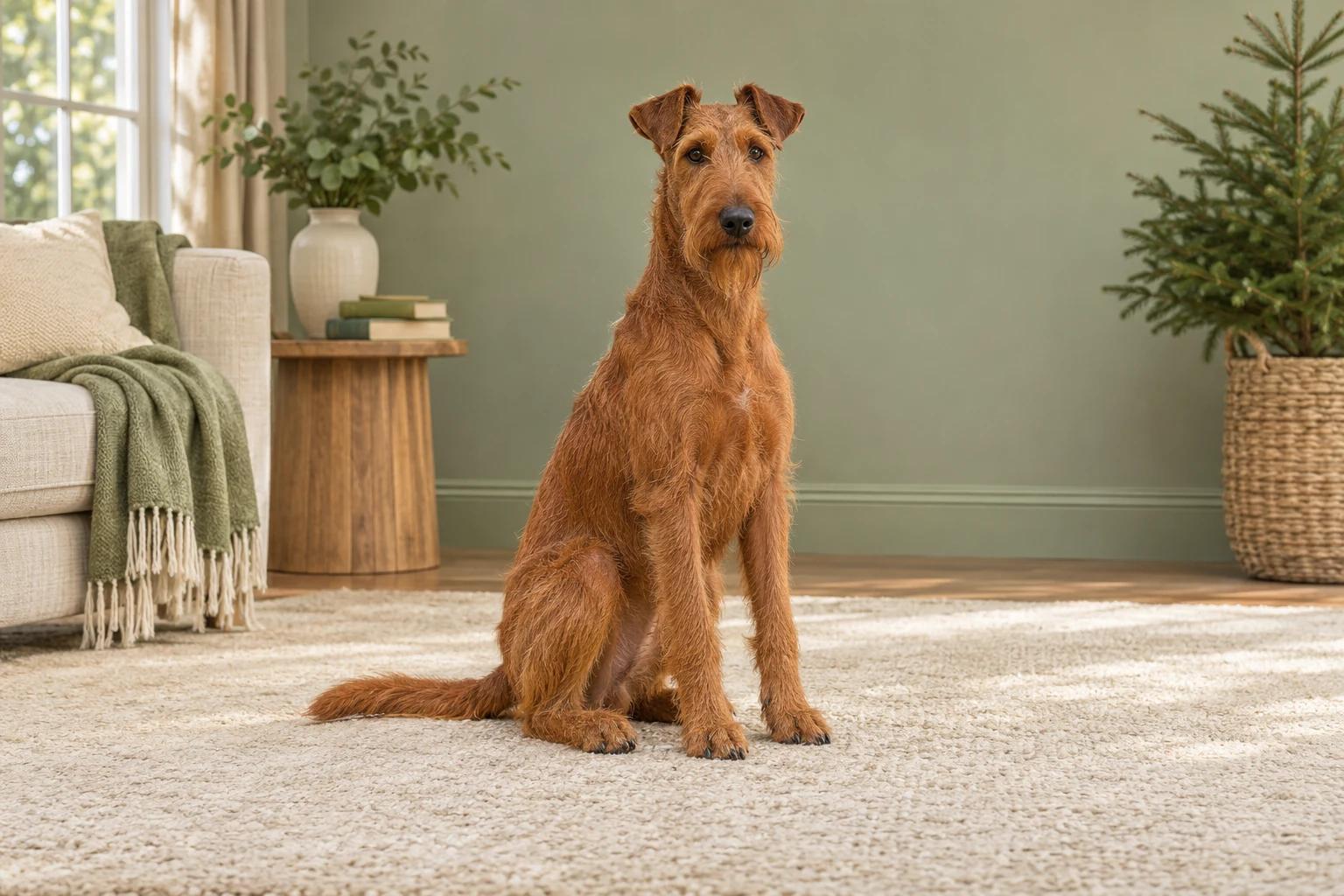
Irish Terrier vs Airedale Terrier is not simply a choice between two sizes of the same dog. Both have recognizable terrier outlines and wiry coats, but their physical scale and individual histories can make daily life quite different. Start with the tasks you will share: walking, travel, grooming, training, and managing the home around other animals.
Read the Irish Terrier profile and Airedale Terrier profile together. Then use the comparison to make a shortlist of questions, rather than treating either breed name as a complete description of a future companion.
Irish Terrier vs Airedale Terrier: the size difference matters
The Airedale is the larger dog in this pairing. The UKC Irish Terrier standard describes a lithe outline, while the Airedale standard describes a more compactly built, substantial terrier. Looking at adults side by side makes the distinction clearer than comparing portraits.
Think about where size affects your routine. Can you comfortably manage the dog through a narrow building entrance? Does the car have space for suitable travel equipment? Where would a bed fit without blocking the household's usual route?
Do not assume the Irish Terrier's smaller scale removes the need for lead skills or practical handling. Equally, do not reject an Airedale solely because a photograph makes it look imposing. Meet the dog, observe it in motion, and check actual measurements for fitted equipment.
If lifting could become necessary, discuss realistic arrangements before bringing a dog home. A plan that depends on one person doing all physical tasks may become difficult during illness or travel. Include backup care in the comparison.
Similar coat language, separate care conversations
Both standards describe wiry outer coats, with softer undercoat beneath. That does not mean every grooming appointment or home routine will be identical. Ask a groomer familiar with each breed what the individual coat needs and what you should maintain between visits.
For the Irish Terrier, VCA's care discussion distinguishes stripping from clipping and notes that the choice affects texture. Discuss the purpose and practical implications of the method rather than asking for a vaguely “tidy” dog and discovering later that you meant something different.
For an Airedale, ask to see the full grooming process on an adult with a coat like the one you are considering. Its larger body means more dog to position and handle, even before you compare finishing preferences. Find out whether the appointment involves home preparation and what happens if tangles are present.
Do not make the decision from loose hair alone. The relevant question is whether you are willing to maintain the coat and arrange skilled help when needed. A neat photograph cannot show the work that preceded it.
Learning should be part of the attraction
An Irish Terrier or Airedale Terrier may appeal to someone who enjoys an engaged, characterful companion. Be equally interested in teaching the mundane skills: waiting while equipment is attached, turning on a walk, settling during a visit, and leaving household objects alone.
Ask each current caregiver to demonstrate a familiar cue. Then ask where that cue is less reliable. A dog that responds readily at home may need more support in a new setting, and that is information you can use rather than a reason for a sweeping judgment about intelligence.
Choose a reward-based trainer who explains how to make a task easier when the dog struggles. You want clear teaching, not an interpretation of every hesitation as a contest. For either breed, a practical first lesson may be simply learning to work together in an unfamiliar space.
Plan small daily opportunities to practise. Putting on a lead or walking through a gate already happens regularly; these moments can become useful lessons without creating an elaborate extra schedule.
Other animals can be the deciding issue
The Irish Terrier profile calls for particular care when considering a home with other dogs. VCA also identifies chasing interests as an ownership consideration. If you already have animals, investigate the individual dog's experience rather than assuming affection toward people answers the compatibility question.
The Airedale should receive the same individual assessment, not a free pass because you have heard a favorable anecdote. Ask about encounters with dogs in different settings, any history with cats or small animals, and how introductions have been managed.
Discuss a realistic introduction plan with an appropriate professional or the organization placing the dog. Make sure the home can provide separate spaces while you assess the situation. Do not choose either breed on the assumption that animals will simply work things out together.
If your household cannot accommodate separation or careful management, say so early. That practical limitation is more useful to a breeder or rescue than a general statement that you love terriers.
Compare the ordinary day, not a bravery contest
Airedale Terrier vs Irish Terrier discussions sometimes focus on boldness or toughness. Those labels do little to explain whether your weekday care plan is workable. Ask what each dog does during a normal morning, an uneventful afternoon, and an evening at home.
Look for a balance of outings, learning, company, and rest. Do not assume that two terriers should follow identical routines. Ask each caregiver which activities the dog currently enjoys, how they fit around work, and what helps the dog settle afterward. Age, experience, and the individual dog's responses should shape your plan.
Pay attention to your local environment. A route with narrow paths and frequent close dog encounters presents different management tasks from a quieter route with room to move away. Consider the places you actually use, not only the activities you hope to try someday.
Make the final comparison concrete
The most useful difference between Irish Terrier and Airedale Terrier may be logistical: the adult size you can accommodate, the coat routine you prefer, or a particular dog's experience with your kind of household. Write down non-negotiable needs before becoming attached to one photograph.
For background distinct from daily care, read why the Irish Terrier's oldest-breed claim remains qualified. The breed quiz can help organize priorities, but meeting individuals and checking their histories should carry more weight than a simple winner-and-loser comparison.
FAQ
Which is bigger, an Irish Terrier or an Airedale?
The Airedale Terrier is generally larger than the Irish Terrier. Check the individual dog's measurements and your travel and handling arrangements rather than using a breed label to choose fitted equipment.
Is the smaller Irish Terrier automatically easier to manage?
A smaller Irish Terrier is not automatically easier to manage than an Airedale Terrier. Smaller size can change logistics, but teaching, social history, chasing interests, and household routines still matter. Observe the individual on a walk and discuss the situations you will need to manage.
Which should I choose for a home with another dog?
When choosing an Irish Terrier or Airedale for a home with another dog, assess individual compatibility rather than relying on breed rankings. Ask about each dog's history, arrange appropriate introductions, and be prepared for separate spaces. The Irish Terrier profile specifically warrants careful consideration of other-dog relationships.
Sources behind this article
Article source checked: November 16, 2026. Source checked 2026-11-16
Keep reading

Affenpinscher vs Brussels Griffon: Everyday Differences
Read article →