Icelandic Sheepdog vs Finnish Lapphund: Daily Life
Compare Icelandic Sheepdog and Finnish Lapphund coats, activity, voice, learning, and companionship through practical household questions.
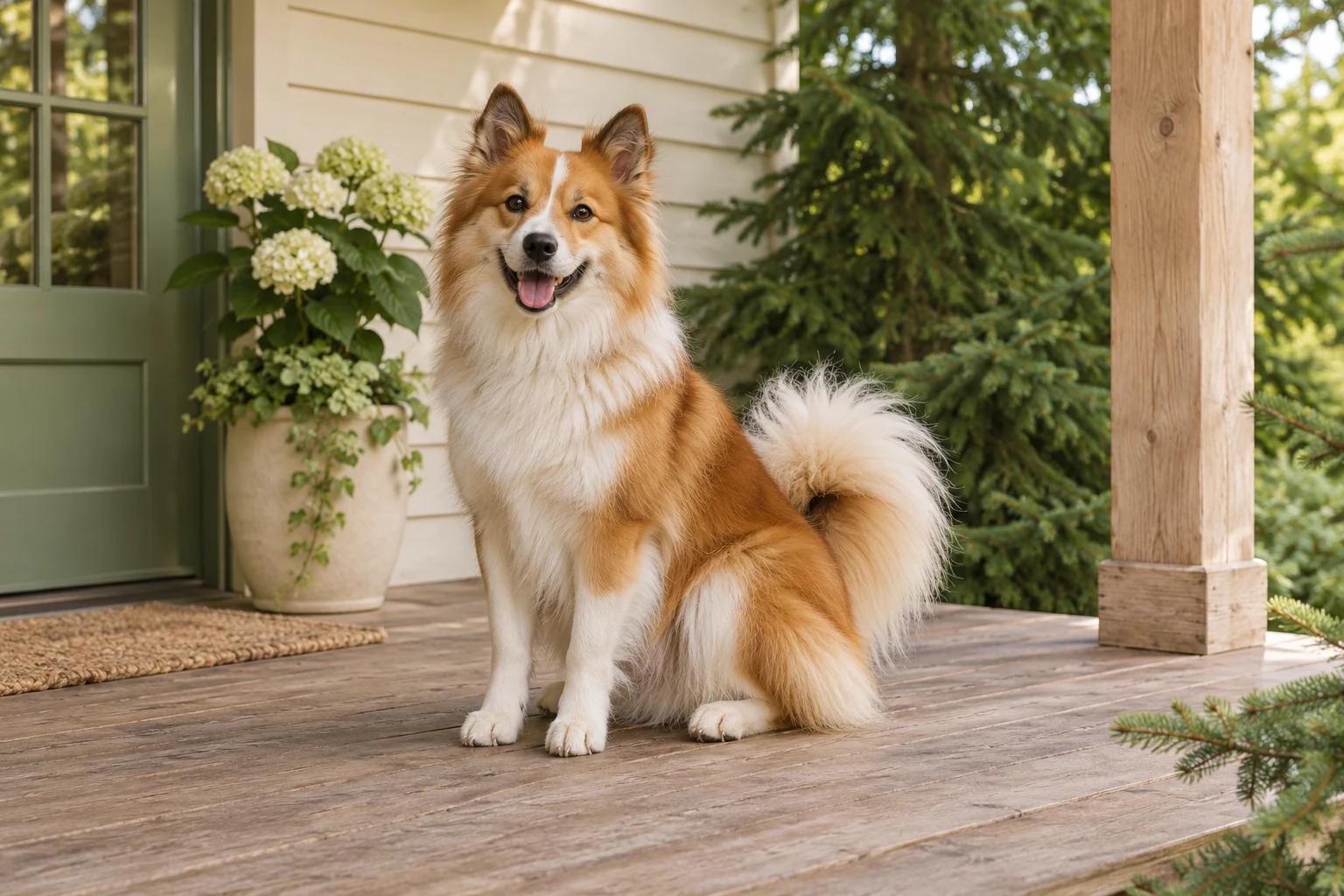
Icelandic Sheepdog vs Finnish Lapphund is a choice worth looking at beyond fluffy coats and curled tails. Both have herding backgrounds and a strong place for human company in their breed descriptions. The decision becomes more useful when you compare walking arrangements, training interests, noise tolerance, and the time available for coat care.
Begin with the Icelandic Sheepdog profile and Finnish Lapphund profile. Then ask which everyday routine you would enjoy maintaining, including on an ordinary working day rather than only during a holiday.
Icelandic Sheepdog vs Finnish Lapphund: look beneath the coat
The UKC Icelandic Sheepdog standard describes a rectangular spitz outline and two coat lengths. The UKC Finnish Lapphund standard describes a sturdy, nearly square outline with a profuse double coat. A photograph can exaggerate or conceal those differences depending on posture and grooming.
Meet adults if you can. Ask to see how each dog stands, moves through a room, and fits into its travel arrangement. For equipment, use actual measurements rather than estimating the body beneath the fur.
The Finnish Lapphund profile lists a broader, heavier adult weight range than the Icelandic profile. That is a useful prompt to check handling and transport, not a reason to assume every individual will follow the same size order. An adult dog's known measurements are more useful than a breed comparison when buying fitted equipment.
A coat-care demonstration is worth arranging
Both breeds have double coats, so a tidy outer appearance does not complete the care assessment. Ask the owner to show how they reach through the coat and which areas require attention. Look at the tools they actually use rather than buying everything labeled for a fluffy dog.
For an Icelandic Sheepdog, the shorter coat variety still has an undercoat. For a Finnish Lapphund, the full outline should prompt questions about access around the ruff and other furnished areas. In both cases, ask what changes during seasonal shedding and how the owner organizes cleaning.
VCA's Icelandic Sheepdog care narrative recommends regular brushing with more attention during seasonal coat release. The household implication is straightforward: keep some flexibility in your care schedule instead of assuming that every week will require exactly the same effort.
If you dislike grooming, be honest about that preference. A professional may help, but appointments do not remove all home care. Consider where brushing would happen and who would maintain the routine if your usual caregiver were away.
Decide what kind of shared activity you want
Both profiles include outings and learning in the ownership plan. Compare what the individual dogs currently do rather than using an overall activity label to choose between them. Neither should be selected on the assumption that a garden will supply an entire daily routine.
Write down the activities you would actually choose: a familiar walk, a short training session, a search game, or an organized class. Then ask a caregiver which of those the individual dog already enjoys and what would need teaching.
A person who loves the process of learning a skill may welcome a dog that benefits from frequent mental engagement. Someone who only wants a quiet walking companion should ask especially careful questions rather than assuming a friendly appearance means low involvement.
Finnish Lapphund vs Icelandic Sheepdog comparisons sometimes promise a clear “calmer” option. That is not a dependable way to choose an individual. Observe the dog during an ordinary pause as well as during exercise, and ask what happened earlier in the day.
Voice belongs near the top of the decision
Both site profiles flag vocal tendencies. Before choosing either breed, consider shared walls, the position of your windows, and the sounds around your entrance. A lively voice can become a significant practical issue even when every other part of the home seems suitable.
Ask what usually starts barking and what the caregiver does next. Does the dog respond to passing people, arrivals, another dog, or separation? A specific account gives you something to plan around; “not too noisy” depends heavily on the speaker's expectations.
Look for places where you could reduce repeated exposure to a trigger. A resting area away from a busy front window may be more useful than expecting the dog to ignore every passerby all day. Discuss persistent barking with a qualified reward-based trainer rather than assuming more exercise will solve every cause.
Do not choose a second dog as an automatic noise solution. Compatibility and time alone require their own assessment, and adding another animal changes the household rather than simply filling a gap.
Company and independence need individual questions
The difference between Icelandic Sheepdog and Finnish Lapphund ownership is not settled by how warmly a dog greets you once. Ask how it spends an ordinary afternoon, what arrangements exist when people leave, and how it responds to a change of caregiver.
If your schedule includes regular absences, describe them clearly. A breeder or rescue can discuss the particular dog's experience and what a transition might involve. Avoid translating an affectionate breed description into a promise that the dog will immediately relax in any household.
For introductions to resident animals, ask about previous experience and plan separate spaces. A broad social rating does not establish the compatibility of a particular pair. Keep the discussion practical: who will supervise, where can each animal rest, and what happens if the initial plan needs changing?
Make the visit answer real questions
When deciding Icelandic Sheepdog or Finnish Lapphund, ask to observe coat preparation, a short walk, and a quiet moment while people talk. Notice the owner's involvement and the routines that make the day work.
Bring anyone who will regularly handle the dog into the conversation. A plan that depends entirely on one enthusiastic person is more fragile than one the household understands. Discuss holiday care and transport as well as the first week at home.
Our Icelandic Sheepdog dewclaw article examines a separate standards question. For lifestyle fit, the breed quiz can help organize priorities before you speak with caregivers. The most useful choice connects those priorities to an individual dog's demonstrated needs.
FAQ
Are these two breeds interchangeable companions?
Icelandic Sheepdogs and Finnish Lapphunds are not interchangeable companions. Their similar spitz appearance can hide differences in build, coat, activity emphasis, and individual experience. Compare the routines you can offer rather than choosing solely by resemblance.
Which breed needs more grooming?
Both Icelandic Sheepdogs and Finnish Lapphunds require a double-coat care routine. Coat length, seasonal changes, and the actual dog's condition affect the work. Ask for a demonstration instead of relying on an overall ranking.
Can either breed be assumed quiet indoors?
Neither an Icelandic Sheepdog nor a Finnish Lapphund should be assumed quiet indoors. Both profiles flag vocal tendencies. Ask about triggers, the dog's current environment, and the management and training used by its caregiver before deciding whether your housing suits it.
What is the most useful thing to observe during a visit?
When meeting an Icelandic Sheepdog or Finnish Lapphund, observe transitions such as preparing for a walk, pausing after activity, and accepting care. These reveal the routines you would need to continue more clearly than a posed photograph or a single trick.
Sources behind this article
- United Kennel Club: Icelandic Sheepdog standard ↗
- VCA Animal Hospitals: Icelandic Sheepdog ↗
- United Kennel Club: Finnish Lapphund standard ↗
Article source checked: November 16, 2026. Source checked 2026-11-16
Keep reading

Affenpinscher vs Brussels Griffon: Everyday Differences
Read article →