Icelandic Sheepdog Grooming: A Double-Coat Routine
Plan Icelandic Sheepdog grooming around coat layers, seasonal changes, comfortable handling, and practical brushing and cleaning routines.
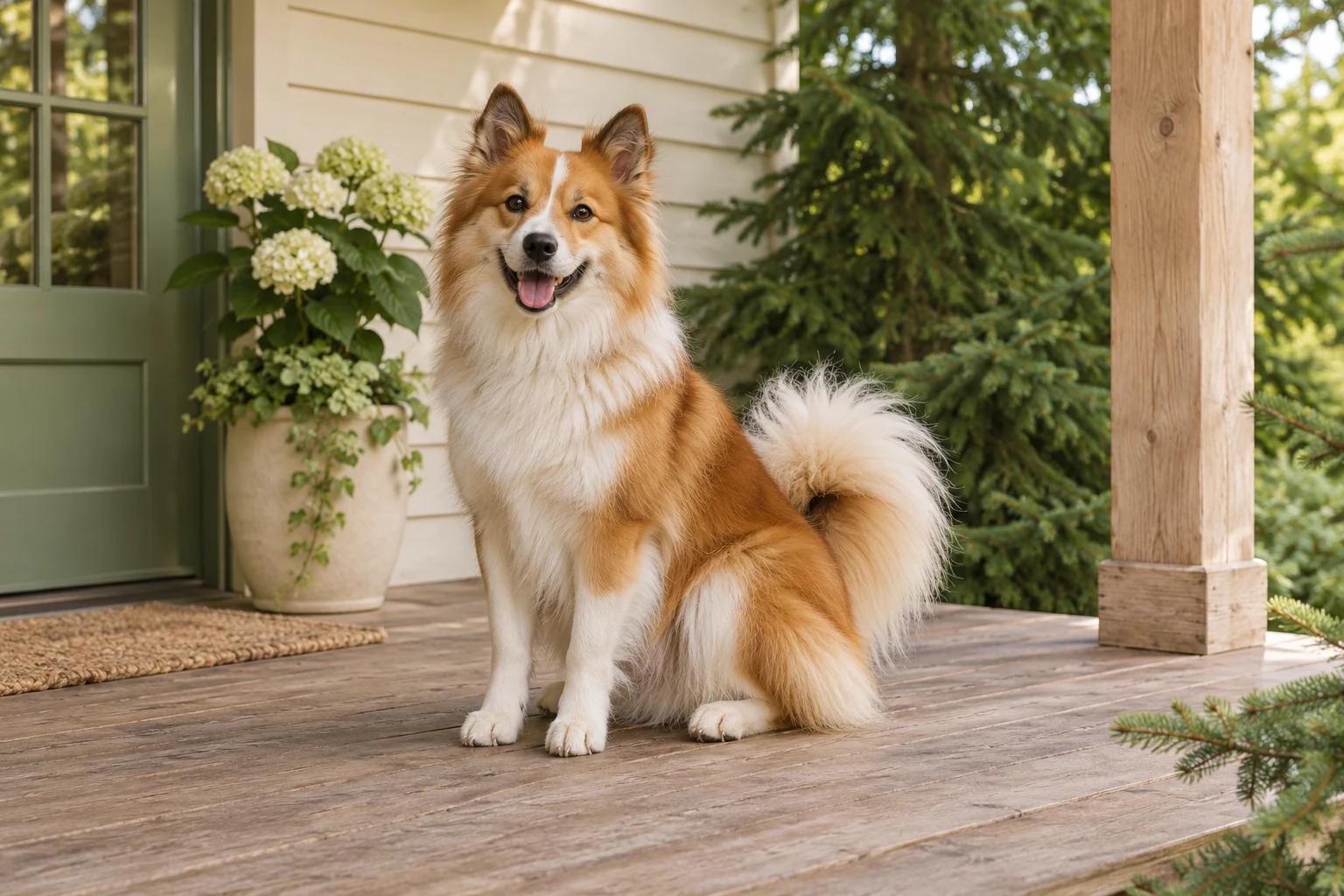
Icelandic Sheepdog grooming is about working with a layered coat, not merely smoothing the visible surface. A dog can look neatly brushed while loose hair remains underneath. The useful goal is a comfortable, repeatable routine that suits the individual coat and gives you time to notice changes without making every session an elaborate project.
The Icelandic Sheepdog profile introduces the breed's broader care needs. Here, the focus is how to organize coat work, choose help, and make the routine manageable through ordinary weeks and seasonal changes.
Icelandic Sheepdog grooming starts with the layers
The UKC standard describes a relatively coarse outer coat over a dense, soft undercoat. It recognizes shorter and longer versions, both with the same layered structure. A shorter outline therefore does not mean there is no undercoat to consider.
VCA's care guidance recommends weekly brushing and more frequent attention during seasonal shedding. Use that as a starting framework, then ask a groomer to assess the actual coat and demonstrate what effective brushing looks like.
Do not measure success by the size of the pile you remove. A tool that pulls out a dramatic amount of hair is not automatically the right one, and repeated work on the same spot can become uncomfortable. The technique and the dog's response matter more than producing an impressive photograph.
Get one useful demonstration before buying a kit
Ask the breeder or groomer to show how they separate the coat and check that they have reached through it. Have them explain the purpose of each tool. A brush and comb that suit this particular coat are more useful than an unopened collection chosen from packaging claims.
Try a small section while the professional watches, if the dog is comfortable. Ask how much pressure to use and what resistance means. Distinguish loose hair you can remove gently from a tangle that needs experienced attention.
For how to groom an Icelandic Sheepdog at home, an accurate demonstration is a better starting point than copying a fast video. Camera angles can hide pressure, coat thickness, and how the handler supports the dog. Request a slow explanation of the parts you will actually do yourself.
Write down the tool names and the sequence afterward. This also helps another caregiver follow the same plan rather than improvising with whatever brush is nearby.
Divide the dog into manageable areas
Choose a stable, comfortable care location where you can reach both sides without twisting or crowding the dog. Set out the tools before beginning, and keep the floor clear of loose hair and equipment.
Instead of repeatedly sweeping from neck to tail, work methodically through small areas as demonstrated. Keep track of what you have completed. On a busy day, it is better to know that you carefully checked one section than to assume a quick surface pass covered everything.
Pay attention where coat is longer or equipment rests against it. Ask your groomer which areas on your dog need particular checking. Do not pull at resistance or cut close to the skin when you cannot clearly see what you are doing.
If the dog needs a break, take one. You can finish another area later or ask a professional for help. A grooming routine should not depend on holding a reluctant dog still until a self-imposed checklist is complete.
Seasonal shedding calls for a flexible calendar
Icelandic Sheepdog shedding can change the amount of brushing and cleaning you need to do. Keep the ordinary routine on the calendar, but leave room for shorter additional sessions when more loose coat is coming away.
A practical arrangement is to keep a small care basket and washable cloth in the usual grooming area. That makes an extra session easy to begin without turning it into a search for supplies. Empty and clean the tools afterward so they are ready next time.
Use a simple record if the coat is new to you. Note when you notice more loose hair, what the groomer recommends, and whether the dog remains comfortable. Over time, your own observations will be more useful than another owner's exact seasonal timetable.
Do not assume that every increase in hair loss is routine shedding. Bare areas, irritation, a marked unexpected change, or discomfort should be discussed with your veterinarian. A dated photograph can help describe what you noticed without trying to diagnose it yourself.
Plan bathing around the whole process
Before bathing at home, ask about suitable products and technique for the dog. Consider not only washing, but rinsing, drying, footing, and where the dog will stand afterward. Starting without a drying plan can make a seemingly simple job much longer than expected.
Have towels and equipment ready before bringing the dog into the space. Follow product directions and professional guidance, and avoid experimenting with household cleaning products or improvised treatments.
If you use a groomer, explain the dog's experience with water, handling, and equipment noise. Ask what preparation would make an appointment easier. A first visit may be more productive when it is organized around familiarity rather than expecting every service at once.
Icelandic Sheepdog coat care should follow the coat's needs, not a desire to make it resemble a different breed. Discuss any proposed clipping or reshaping with an experienced professional before agreeing to it.
Household cleaning is part of the routine
Identify where hair collects most: bedding, a favorite resting spot, the vehicle, or the entryway. Make those areas easy to clean with suitable washable covers and accessible tools. Keep a spare cover so laundry does not leave the dog without its usual resting place.
Cleaning little and often may fit your home better than one large weekly task. Choose a schedule you can sustain, and remember that brushing does not eliminate all loose hair from the environment.
Separate the dog's grooming tools from household cleaning equipment. Put them away clean and dry, and check them before the next session. Damaged or dirty tools are not a useful shortcut through a coat-care task.
The dewclaw wording article covers the breed's standards detail without replacing individual care advice. Ask your veterinary team about nails, ears, and dental care separately. The breed quiz can help you consider whether this ongoing routine fits alongside activity and company needs.
FAQ
Does a shorter-coated Icelandic Sheepdog still need brushing?
A shorter-coated Icelandic Sheepdog still needs brushing because it also has a dense undercoat. Ask a groomer to demonstrate how to work through the actual coat rather than judging care needs from the outline alone.
How often should I brush?
Weekly brushing is a starting framework for Icelandic Sheepdog coat care, with additional attention during seasonal shedding. Adjust the routine to the individual coat and professional guidance, and avoid working repeatedly on an uncomfortable area.
Should I cut out a difficult tangle myself?
Seek an experienced groomer's help with an Icelandic Sheepdog's tangle if you cannot clearly assess it. Pulling or cutting close to skin you cannot see is not a good way to resolve an uncertain tangle.
Does brushing replace other routine care?
Brushing an Icelandic Sheepdog does not replace other routine care. Nails, ears, teeth, and veterinary care need their own appropriate plans. Coat maintenance is one part of the dog's routine, not a substitute for those separate tasks.
Sources behind this article
Article source checked: November 16, 2026. Source checked 2026-11-16
Keep reading

Affenpinscher Grooming: A Practical Coat-Care Routine
Read article →