Icelandic Sheepdog Exercise Needs: A Balanced Day
Plan Icelandic Sheepdog exercise needs with walks, learning, company, and rest. Build a workable routine instead of chasing a fixed minute target.
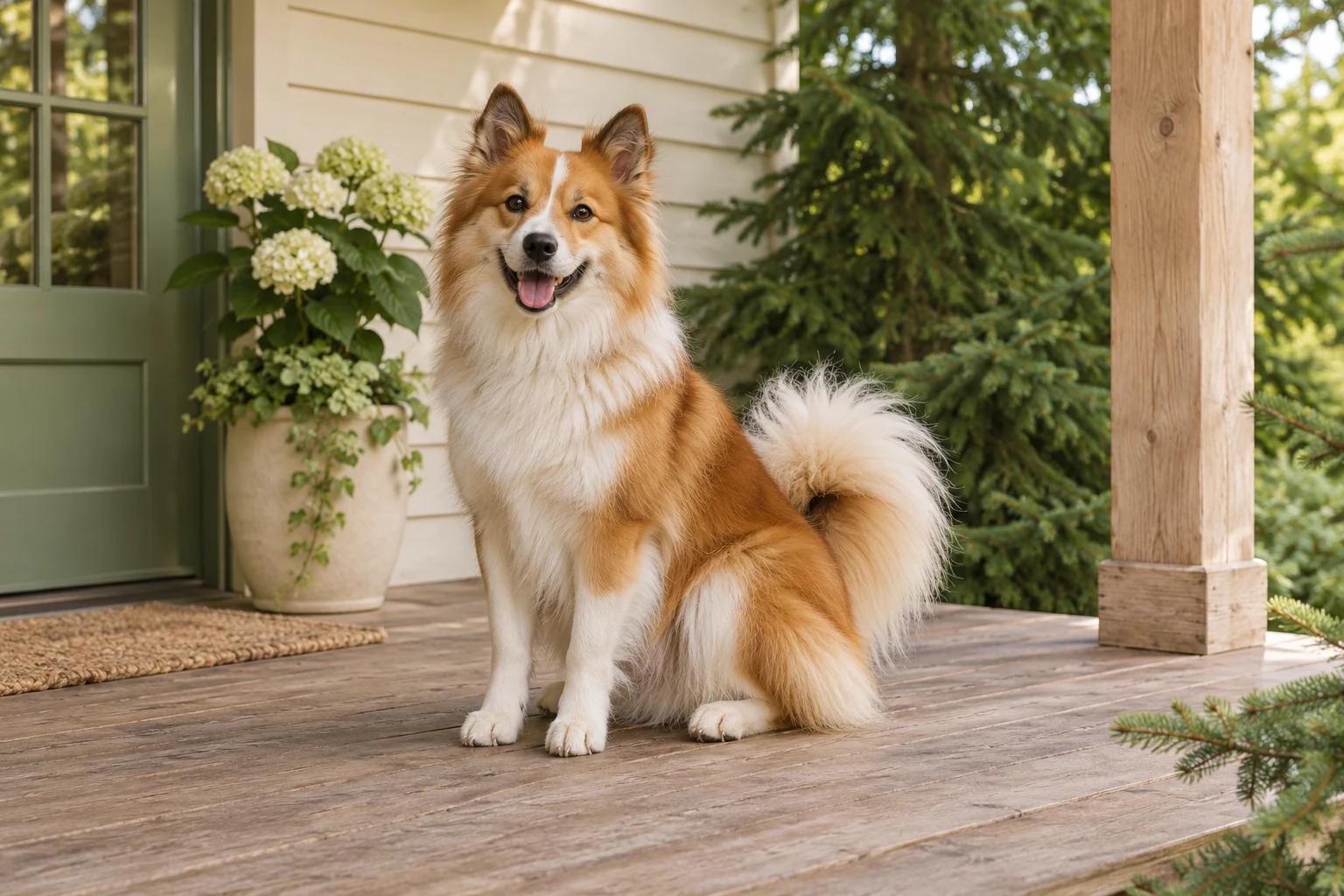
Icelandic Sheepdog exercise needs are best planned as a day of movement, learning, and company rather than a single demanding outing. A walk can be valuable without exhausting the dog, and a short learning task can add something that more distance does not. The aim is a routine you can sustain while responding to the individual dog's age, experience, and condition.
The Icelandic Sheepdog profile emphasizes both activity and mental engagement. Start with that combination, then work with the caregiver and veterinarian to decide what is appropriate for the dog coming into your home.
Icelandic Sheepdog exercise needs are not a stopwatch target
The Icelandic Sheepdog Association of America presents a range of owner observations and emphasizes that activity needs vary between individuals. The UKC standard describes an alert, agile herding dog that values human companionship. Those descriptions support planning an involved daily life, not assigning every dog the same exercise prescription.
If you are asking how much exercise does an Icelandic Sheepdog need, begin by listing what the dog currently does. Ask about walks, play, training, rest, and how the routine changes on a quiet day. That baseline is more useful than comparing unrelated dogs' mileage online.
For a puppy, older dog, or dog with a health concern, discuss suitable activity with your veterinarian. Do not apply an adult's established outing to a dog at a different stage simply because they share a breed name.
Give the walk a purpose other than distance
An Icelandic Sheepdog daily walk can include time to explore, practice a familiar skill, and move through the neighborhood with you. Decide which part of the route is for focused practice and where the dog can investigate at a comfortable pace.
Choose a route with options. A loop that can be shortened, a quieter side street, or a place to pause gives you more flexibility than a path that commits you to a long return. Check the day's conditions and the dog's response rather than treating the planned route as an obligation.
Keep equipment ready in one place. A predictable departure makes it easier to start calmly and avoids turning every outing into an excited search for a missing lead. Ask for help fitting equipment and learning comfortable handling if needed.
Afterward, note what worked. Was the dog able to engage with you? Did one busy junction make the outing unnecessarily difficult? A route adjustment may improve the next walk more than adding extra minutes to the same problem.
Add a small learning project
Mental engagement does not require a large equipment collection. Pick an everyday skill with a clear finish, such as going to a mat, following a simple hand target, or waiting while you prepare the lead. A qualified reward-based trainer can help you teach it in manageable steps.
Make the task easy enough for the dog to understand before adding distractions. End with a successful version rather than repeating until attention disappears. Keep a note of the next small step so that tomorrow's session has a purpose.
You can also offer a supervised search activity using suitable rewards in a simple setup. Begin where the dog can succeed without frustration, and keep materials appropriate for the individual. The value is shared engagement, not making a puzzle as difficult as possible.
Rotate activities thoughtfully instead of changing everything every day. Familiar tasks allow practice; occasional variation keeps your own participation interesting too. An elaborate plan you rarely use is less helpful than two or three simple activities that fit naturally into the week.
Manage movement and barking along the route
VCA's Icelandic Sheepdog narrative identifies barking, herding, and chasing as behaviors that need thoughtful teaching in companion life. That makes route choice and lead skills important parts of an exercise plan, not separate issues to postpone.
If passing traffic or moving objects are difficult, do not deliberately seek a busier place to force practice. Choose space, rehearse a way to turn away, and work with a qualified trainer on a suitable progression.
Likewise, an enclosed garden can become a place for repeated fence-line reactions rather than useful shared activity. Observe what the dog actually does outside. If it repeatedly races toward a boundary, change the setup and seek help rather than counting that time as successful exercise.
A quieter outing is not a failed outing. Being able to walk, investigate, and return home without repeated difficult encounters may provide a better foundation for future activity than a dramatic but disorganized excursion.
Include rest as something the household supports
A day should not require the dog to respond to people continuously. Provide a comfortable resting place away from busy passageways and let quiet periods remain quiet. Avoid turning every moment of wakefulness into another training opportunity.
After an outing, use a simple homecoming sequence: put equipment away, provide the usual care and water access, and allow a pause. A predictable transition helps the household avoid immediately launching another exciting activity.
If the dog consistently struggles to settle, look at the whole pattern with a professional. Icelandic Sheepdog activity level is not the only possible explanation for a restless evening. Timing, the environment, learning history, and health may all need consideration; do not assume the answer is always a harder workout.
Keep rest available during visits too. A sociable-looking dog does not need to entertain every guest for the entire evening. Shared life includes the option not to participate.
Make a workable ordinary-day plan
One possible structure is a morning outing, a brief learning task during a natural break, another outdoor opportunity later, and quiet company between activities. This is an organizational example, not a fixed duration or medical exercise schedule.
Identify who covers each part. If your workday changes, decide whether a familiar caregiver can help and show them the actual routine. Leave clear notes about equipment, routes, and what the dog already knows.
Keep a fallback for poor weather or an unexpectedly busy day: shorter suitable outings and a familiar indoor task may be more realistic than abandoning the routine entirely. For prolonged changes, reassess the plan rather than relying indefinitely on the fallback.
The Icelandic Sheepdog dewclaw article addresses a separate anatomy-description question. Use the breed quiz to reflect on your interest in shared activity, then compare that with the dog's demonstrated needs and the practical time available.
FAQ
Is one long weekend walk enough?
An Icelandic Sheepdog needs a dependable daily routine, not just an occasional long weekend walk. The balance of walking, learning, and rest should suit the individual dog's circumstances.
Does a garden replace walks and training?
Garden access alone does not replace an Icelandic Sheepdog's walks and training. Observe how the dog uses the space and include purposeful shared activity. Time outdoors can involve repeated barking or boundary reactions rather than the experience you intended.
Should I keep increasing exercise until the dog is exhausted?
Exhaustion should not be the goal of an Icelandic Sheepdog's exercise routine. Discuss appropriate activity with your veterinarian and seek training help if settling remains difficult despite a thoughtful daily plan.
Can mental activities be part of the exercise plan?
Mental activities can complement an Icelandic Sheepdog's exercise plan. Short learning tasks and suitable supervised search games can complement outdoor movement. They add a different kind of engagement rather than serving as an exact minute-for-minute replacement for walks.
Sources behind this article
- United Kennel Club: Icelandic Sheepdog standard ↗
- VCA Animal Hospitals: Icelandic Sheepdog ↗
- Icelandic Sheepdog Association of America: Temperament ↗
Article source checked: November 16, 2026. Source checked 2026-11-16
Keep reading

Afghan Hound Exercise Needs: Build a Workable Active Day
Read article →