Havapoo Exercise Needs: Build an Individual Routine
Plan Havapoo activity through suitable outings, play, and learning. Compare real routines instead of assuming every Havanese–Poodle cross needs the same.
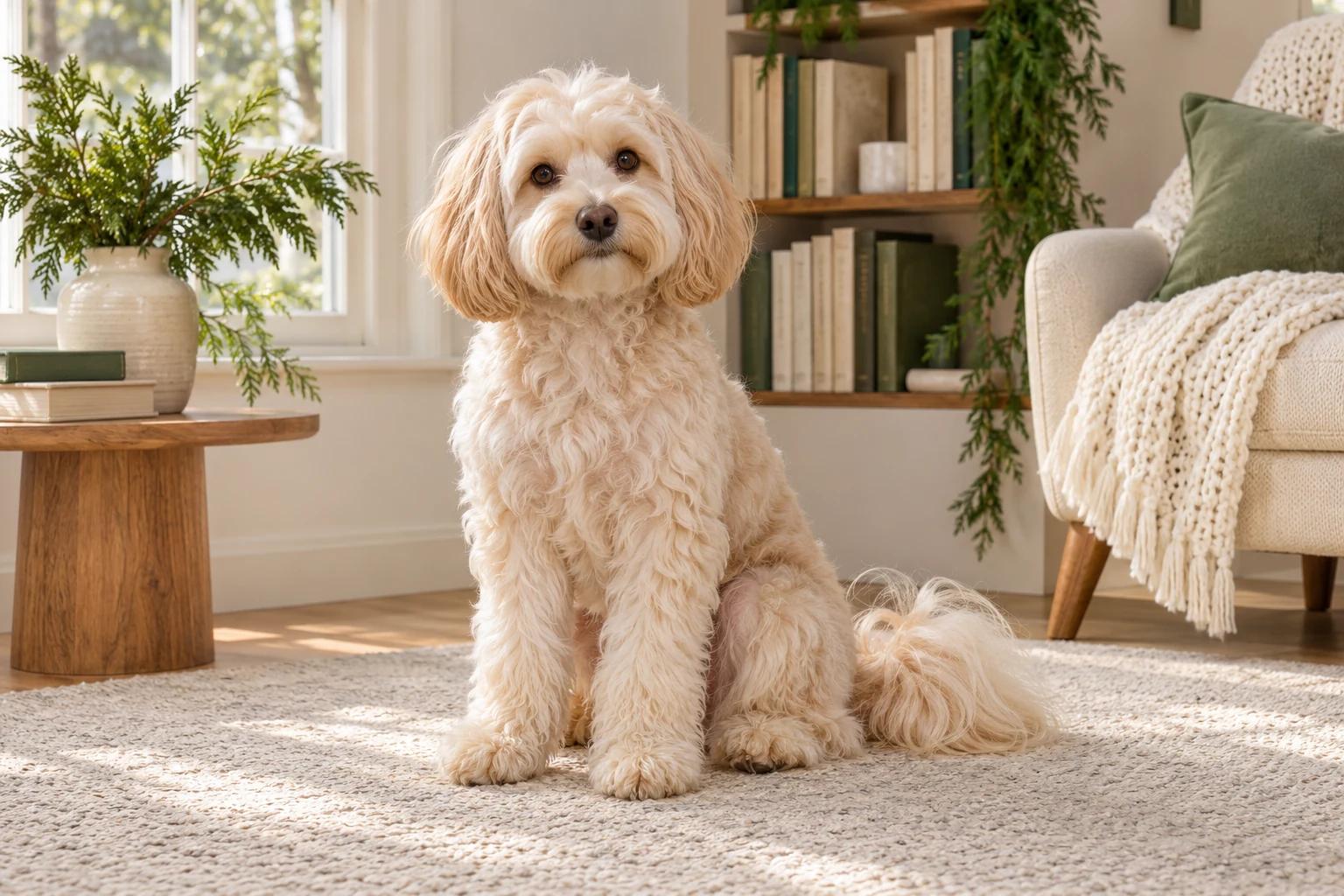
Havapoo exercise needs cannot be read from the crossbreed name alone. Havanese and Poodle ancestry provides context, but your dog's age, size, current experience, and condition determine what needs closer attention. A useful routine gives the dog opportunities to move and investigate without treating either a small body or a lively moment as the whole story.
The Havapoo profile describes moderate daily movement alongside play and learning. Use that as an opening question: what does a suitable version of that day look like for this particular dog in your household?
Havapoo exercise needs: investigate before setting a target
VCA's mixed-breed guide explains that exercise needs vary with ancestry, size, and athleticism. It also notes the value of walks and exploration for small dogs. These are general principles, not a Havapoo-specific minute prescription.
When asking how much exercise does a Havapoo need, collect the starting information first. For a newly acquired adult, ask the previous caregiver to describe familiar routes, games, and the usual sequence of the day. For a puppy, discuss appropriate activity and outings with your veterinarian. You need a workable starting point before deciding what to increase or change.
A cross does not need to fulfill an imagined average between its parents. The UKC Poodle standard describes a parent breed known for learning and close interaction. That can inspire questions about enjoyable activities, but it does not establish what a particular Havapoo will enjoy or how much physical work it should do.
Separate three jobs that often get bundled together
An outdoor trip may provide toilet access, physical movement, and opportunities to explore, but one hurried trip does not necessarily serve all three equally well. When organizing your day, name the job you are trying to cover. That makes gaps easier to spot.
For example, a quick trip before a video meeting may meet an immediate practical need. It need not be counted as the day's full exploration opportunity simply because the dog went outside. You can plan another suitable outing later without trying to turn the rushed trip into something it was not.
Similarly, a garden can be useful space without being an automatic activity programme. Ask what your dog actually does there when you are present. If you want shared play, set aside time to participate. The existence of outdoor space is not evidence that the dog is making meaningful use of it throughout the day.
Design a walk with choices built into it
For a Havapoo daily walk, choose a route that permits a shorter return or a quieter alternative. This is particularly helpful while learning a new dog's preferences. A route with no easy exit makes it harder to adapt when traffic, weather, or an unfamiliar event changes the outing.
Prepare the practical details before leaving. Check that equipment fits the individual dog and that you know how it is intended to be used. Ask a qualified trainer for help if you are unsure about handling or lead skills. Small dogs still need properly fitted equipment rather than whatever happened to come with the previous household.
Notice which parts of the walk the dog seems comfortable navigating and where you need more help. Describe observable events: stopped at the busy crossing, walked readily on the quieter lane, or struggled when another dog came close. Those notes are more useful than labeling the whole outing a failure.
Make learning an option, not a pressure test
A brief familiar game can offer variety when you have time together at home. Choose something the dog already understands and use a space appropriate to the activity. An easy toy search is a different experience from rapid chasing, even if both are called play.
If you want to try a class, tell the instructor you are looking for a manageable introduction. Ask what preparation is needed, how sessions are organized, and how the activity can be adapted. Do not enroll with the expectation that Poodle ancestry means the dog should immediately excel.
Keep a small menu of activities that have actually worked for your Havapoo. One may be a quiet game, another a simple learned task, and another an outing to a familiar place. This makes a changed day easier to handle without requiring a new puzzle or a harder challenge every time you are together.
Leave space for the dog to stop participating
The Havapoo activity level you notice during excited play is not necessarily the level that should fill the whole day. Arrange a resting place away from frequent interruptions. When an activity ends, allow the household to become quieter rather than immediately offering another invitation.
Consider your own contribution to the pace. If every pause leads you to call the dog, present a toy, or begin another task, there may be little opportunity to discover what an undisturbed quiet period looks like. Planning rest is part of organizing the day, not a failure to provide attention.
If you are concerned about persistent restlessness, describe the whole routine to a qualified professional. Sudden changes in movement, willingness to join activities, or apparent comfort belong with your veterinarian. Do not respond by automatically adding more exercise or assuming the dog is being difficult.
Keep the routine usable by another caregiver
Write a handover that names familiar equipment, routes, games, and any current professional guidance. Include where supplies are kept and how to contact you. A substitute caregiver should not have to translate “tire the dog out” into an improvised afternoon.
Also explain what you are not currently doing. Perhaps an unfamiliar group activity has not been introduced, or you are following a specific professional plan. Clear boundaries make the handover more useful than a long list of possibilities. Update the note as the dog's routine changes.
Coat care may need its own place after outings, but learning to accept handling is a separate topic. The Havapoo grooming-handling article explores that responsibility. If you are choosing a dog rather than adjusting an existing routine, use the breed quiz to reflect on how much daily involvement you genuinely want.
FAQ
Does every Havapoo need the same daily exercise?
Havapoos do not all need the same daily exercise target. Consider the individual dog's background, age, condition, and existing routine, and discuss physical limits or changes with your veterinarian.
Is a garden enough for Havapoo activity?
Garden access alone does not establish that a Havapoo has an appropriate activity routine. Plan suitable shared activities and opportunities to explore rather than assuming that access alone supplies everything the day needs.
Should I add exercise whenever my Havapoo is restless?
Restlessness in a Havapoo does not automatically call for additional exercise. Review the surrounding events, the kind of activity already provided, and opportunities for quiet rest. Seek qualified advice about persistent difficulty, and veterinary advice about sudden changes.
Sources behind this article
Article source checked: November 16, 2026. Source checked 2026-11-16
Keep reading

Afghan Hound Exercise Needs: Build a Workable Active Day
Read article →