Havanese vs Shih Tzu: Choosing a Daily Companion
Compare Havanese and Shih Tzu coats, size, play, and household routines. Use practical questions to decide which individual dog fits your life.
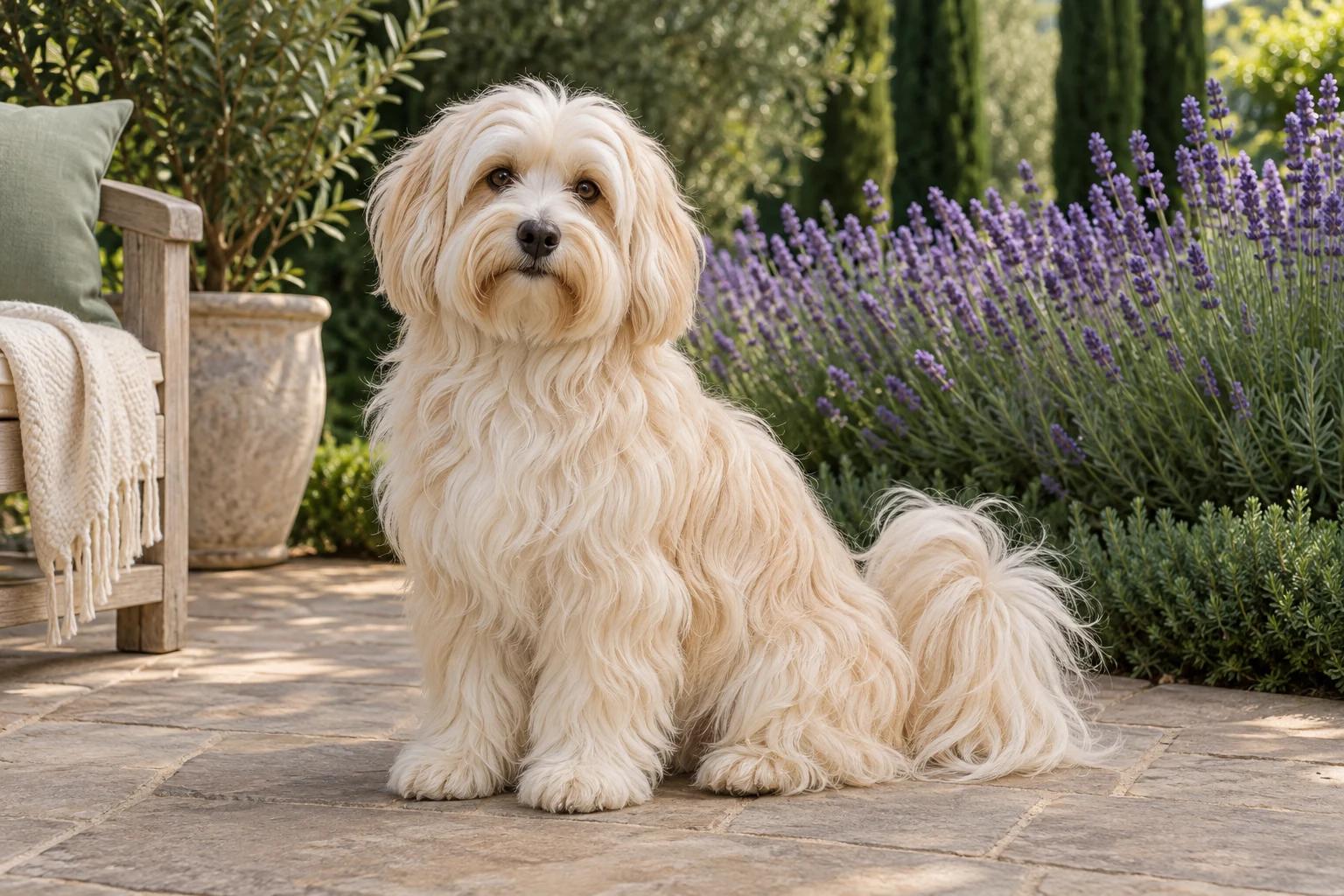
Havanese vs Shih Tzu is less a contest between two small, long-coated dogs than a choice about the company and care you want every day. Both can look like an easy fit for a modest home. Neither should be selected from a photograph without considering grooming, outings, household noise, and the particular dog's experience.
The Havanese profile and Shih Tzu profile offer a starting comparison. Use that background to prepare a visit, not to select a winner before you have met either dog.
Havanese vs Shih Tzu: what actually differs?
The Havanese has a lighter-framed, rectangular outline; the Shih Tzu is compact and substantial. Those distinctions appear in the respective UKC Havanese standard and UKC Shih Tzu standard. Under a generous coat, shape is not always obvious in pictures.
Both are small companion breeds, but the breed label cannot tell you whether an existing carrier fits the dog you meet. A prospective owner should therefore avoid treating a general size description as a substitute for checking the actual fit. Measure the individual dog and check the equipment requirements instead.
Coat presentation can also disguise the difference between Havanese and Shih Tzu dogs. A short pet trim changes the silhouette substantially. If you admire one photo, ask whether you like the breed itself, the haircut, or both. Take that image to a groomer and ask what maintaining that appearance would involve between appointments.
Start with the coat you can maintain
A long coat is an ongoing household task, not merely a salon decision. The Shih Tzu profile places grooming frequency above the Havanese profile, but both require a realistic maintenance plan. A lower rating is not permission to postpone coat checks until the next booking.
Imagine the least convenient evening of your week. Where would you groom the dog? Who would help you learn the technique? Could you calmly check the coat after a damp outing, or would that job repeatedly fall to someone who has not agreed to do it? These questions reveal more than choosing the dog with the shorter-looking coat in a listing.
Ask a breeder or current caregiver to demonstrate the existing care routine. Watch the tools used and ask what the person does between professional appointments. For a dog already in a shorter style, ask when it was last groomed and how much daily care that particular coat still receives. You are learning the task, not assessing appearance as a measure of the dog.
Compare invitations to interact, not personality slogans
The Havanese Club of America describes a playful companion drawn to human company. The UKC Shih Tzu standard likewise emphasizes companionship. Neither description tells you precisely how often a particular dog will ask to play, seek a lap, or prefer a nearby bed.
During a visit, notice what happens after the initial greeting. Does the dog offer a toy, explore the room, or settle beside its caregiver? Ask how that scene compares with a normal evening. A visitor can change the atmosphere, so the person's account of ordinary life matters alongside what you see.
If you are comparing Shih Tzu vs Havanese dogs because you want a quiet desk companion, describe your working arrangements in detail. Meetings, delivery noise, and regular breaks matter more than the label lapdog. Do not assume that a dog who sits quietly for a short visit will find every workday equally straightforward.
Plan the walk before choosing the breed
Both live profiles place activity in the middle of their reference scales. That suggests looking beyond the extremes of all-day adventure dog and permanent sofa ornament. Ask about the actual dog's established outings, games, and opportunities to rest.
Write down two versions of your day: the ordinary one and the inconvenient one. The second should include rain, a late meeting, or a changed school run. Identify who can provide the outing when your preferred arrangement fails. This is especially useful when two adults each assume the other will handle the small dog's exercise.
During a meeting, ask to observe an ordinary lead outing if practical. Notice the caregiver's equipment and how they navigate doorways or passing pedestrians. You do not need an impressive demonstration. You need an honest picture of the routine you would be taking over and any skills you would need help teaching.
A small dog can still affect the whole building
For apartment planning, treat sound as a separate issue from body size. The Havanese profile gives a higher vocal tendency than the Shih Tzu profile. That comparison is not a promise that one dog will bark frequently or the other will remain silent.
Ask about specific situations: the entrance buzzer, footsteps outside, visitors leaving, and dogs seen through a window. A useful answer describes what the dog does and how the caregiver responds. “Not a problem” is less informative unless you also know whether the dog currently lives in a detached house or a busy shared hallway.
Your own layout matters. A bed beside a constantly used entrance creates a different resting place from one away from traffic. Sketch where the dog would rest and where visitors enter. This helps you identify practical changes without making unsupported predictions about temperament.
Make the final choice about a real routine
When deciding Havanese or Shih Tzu, compare three commitments: coat care, daily interaction, and outings. Beside each, write who is responsible and what information is still missing. A genuine gap should lead to another question, not a hopeful assumption.
Changes in work schedules deserve their own preparation. The existing Havanese alone-time transition guide covers that separate subject. For a broader look at your preferences, use the breed quiz, then return to the individual dog's history. Choose the arrangement you can sustain on an ordinary Tuesday, not just the dog you would enjoy photographing on Saturday.
FAQ
Is a Havanese smaller than a Shih Tzu?
A Havanese is not necessarily smaller than the particular Shih Tzu you are considering. Individual measurements matter for carriers, harnesses, and home arrangements. Meet the dog and check its current measurements rather than buying equipment solely from the breed label.
Which coat is easier to look after?
The easier coat to maintain between a Havanese and Shih Tzu depends on the actual coat, chosen length, and the owner's skills. Both breeds need planned care. Ask a groomer to explain the upkeep of the exact style you want rather than assuming a short trim removes the work.
Which breed should I choose for an apartment?
For apartment life with a Havanese or Shih Tzu, compare the individual dog's noise responses, outings, and care routine with your building and schedule. Small size alone does not settle the question. Ask about shared entrances and hallway sounds before deciding.
Sources behind this article
- United Kennel Club: Havanese standard ↗
- United Kennel Club: Shih Tzu standard ↗
- Havanese Club of America: Frequently Asked Questions ↗
Article source checked: November 16, 2026. Source checked 2026-11-16
Keep reading

Affenpinscher vs Brussels Griffon: Everyday Differences
Read article →