Havanese Grooming: A Practical Coat-Care Routine
Plan Havanese grooming around coat length, comb checks, professional appointments, and manageable home care without relying on haircut names.
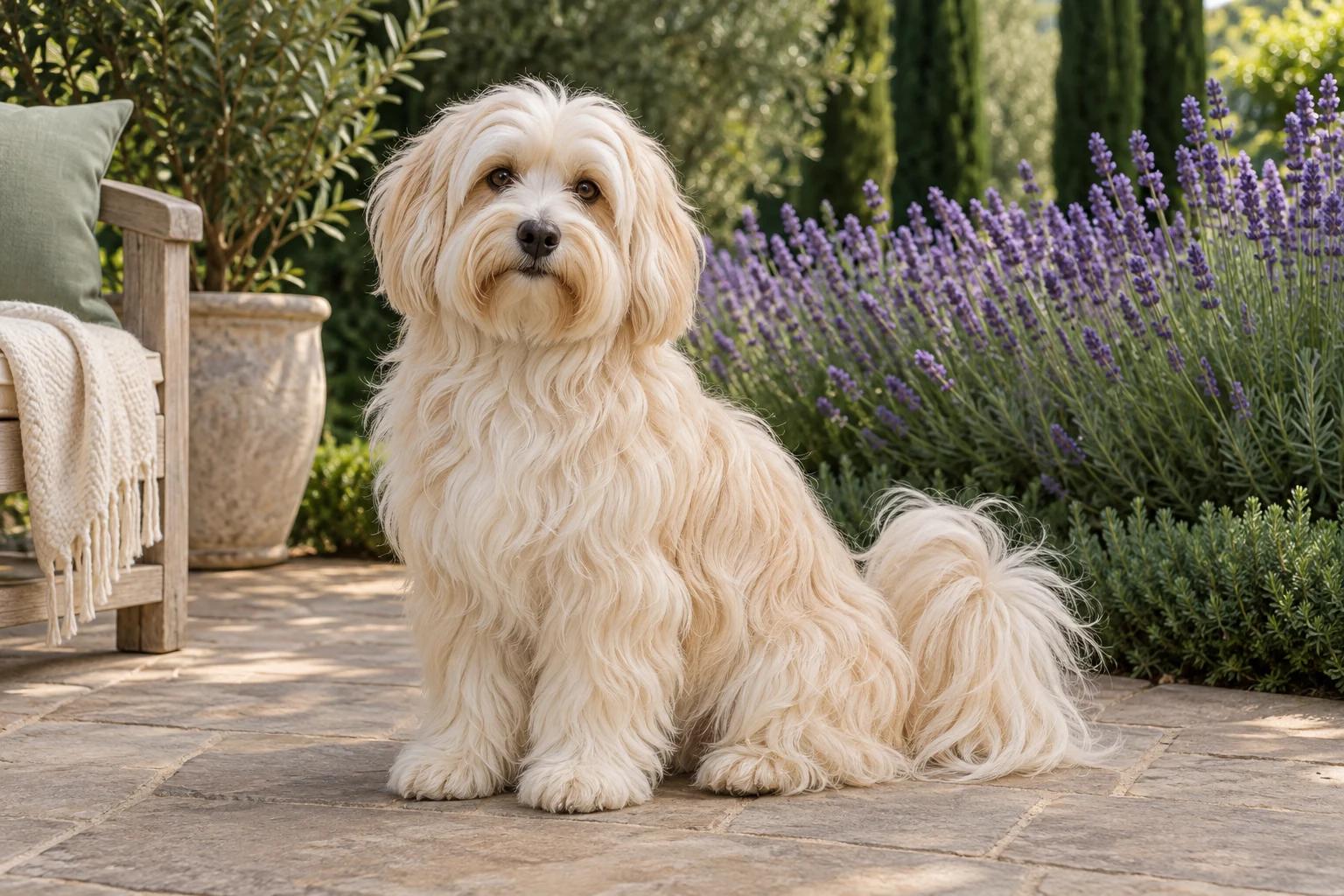
Havanese grooming starts with a simple distinction: the haircut you like and the maintenance you can deliver are not necessarily the same thing. Before choosing a flowing coat or a shorter pet style, learn what your dog's coat needs between appointments. A tidy photograph shows one moment. Your routine has to work through walks, wet weather, harness use, and busy evenings.
The Havanese profile describes the breed's long, silky double coat. Treat that as a reason to learn hands-on care, not as a reason to buy every tool advertised for long-haired dogs.
Havanese grooming: begin with a demonstration
The Havanese Club of America FAQ emphasizes regular maintenance even for short coats. VCA's Havanese guide identifies brushing and combing as important for preventing mats. Neither point is fulfilled by simply owning a brush.
Book a practical conversation with a groomer experienced with Havanese coats. Ask them to show you a small section of your own dog's coat, explain the appropriate tools, and watch you repeat the technique. A demonstration on the coat you will actually maintain is more useful than copying a fast video on a different texture or length.
Ask what a successful check should look and feel like. If you do not know whether you have reached beneath the visible surface, say so. This is a skill question, not a test of your dedication. Learning it early gives you a clearer way to notice when home maintenance is no longer keeping up.
Choose a style by the work it creates
Haircut names are imprecise. Two salons may use the same label for quite different lengths around the legs, ears, and face. Bring several reference pictures, then discuss the parts of each you actually want. “Shorter body, but what care will the longer legs need?” is more useful than requesting a named style without explanation.
Include your household circumstances in that discussion. Do you walk on wet grass? Does the dog wear a harness for several outings? Who performs home care, and can that person manage the agreed routine? A groomer can use those details to help you choose a workable plan rather than simply reproducing a photograph.
The UKC Havanese standard describes a soft double coat and a range of wave expression. Show presentation and pet maintenance are different questions. You do not have to pursue a show outline to make a thoughtful grooming choice for your companion.
Make coat checks an ordinary household task
Create one reliable place for Havanese coat care. It should allow comfortable access, appropriate support for the dog, and good light. Ask your groomer to advise on a suitable setup rather than balancing the dog on an improvised high surface. Keep tools together so preparation does not consume the time you meant to spend on care.
A written checklist can prevent selective grooming. It is easy to revisit the attractive, accessible areas while overlooking places you find awkward. Have the groomer identify the areas your dog's coat needs checked, including those affected by clothing or equipment. Use their demonstration to build your list rather than guessing at technique.
Consider dividing your own tasks into checking, brushing as taught, and recording anything you need to ask about. That separates a quick inspection from a longer care session. It also prevents a busy evening from becoming an all-or-nothing choice between a complete groom and no attention at all.
Do not turn a tangle into a contest
If the comb stops or an area feels compacted, pause. Pulling harder is not a useful way to establish whether you can finish the job. Contact your groomer and describe the location and what you noticed. Ask whether the dog needs an earlier appointment and what to leave alone until then.
Avoid trying to cut close tangles away with household scissors. Let a professional assess the coat and the appropriate next step. If the dog shows pain, irritated skin, or a sudden change in tolerance of ordinary handling, seek veterinary advice rather than assuming it is merely a grooming preference.
For future prevention, ask the groomer what changed. Was the chosen length more work than expected? Did a recurring area get missed? Was the interval between visits unsuitable for the home care you were able to provide? An answer that changes the routine is more valuable than feeling guilty without a plan.
Appointments and home care should fit together
Arrange the next professional visit while the current coat condition is clear. There is no single interval that fits every Havanese haircut and household. Ask what would justify bringing the appointment forward and what you should monitor in the meantime.
Keep a short note after each visit: agreed length, tools demonstrated, areas needing attention, and the next booking. If more than one person grooms the dog, share that note. Conflicting methods can make care harder to organize even when everyone is trying to help.
Budget for the actual service you need, not only a headline price. Ask the salon what is included and how it handles a coat requiring more work than expected. Agree on how you will be contacted before changes to the planned style or service. Clear communication prevents a cosmetic preference from being mistaken for an instruction to continue regardless of the coat's condition.
Shedding is not a maintenance schedule
Havanese shedding is relatively low in the breed profile, but loose hair on a sofa is not the measure of whether the coat needs attention. The useful question is whether you can maintain the coat you have chosen. Do not let a low-shedding description become shorthand for low effort.
Likewise, buying more products does not resolve uncertainty about how to groom a Havanese. Start with the tools and methods demonstrated for your dog. Ask before adding a product, especially around sensitive areas, and leave medical questions to your veterinarian.
If a changing work pattern will affect when care happens, the Havanese alone-time transition article addresses the wider scheduling issue. Prospective owners can use the breed quiz to consider whether routine coat work fits their preferences before committing to a dog.
FAQ
Does a short Havanese haircut remove the need for grooming?
A short Havanese haircut does not remove the need for grooming. A shorter style can change the work involved, but regular checks and maintenance remain necessary. Ask the groomer to show you the home-care routine for the length your own dog will wear.
How often should I book a professional groom?
Schedule professional Havanese grooming with the groomer according to coat condition, length, and the home maintenance you can provide. Ask what signs mean the appointment should happen sooner. Do not rely on a universal breed timetable.
What if I find a mat I cannot comb through?
If a mat in a Havanese coat will not comb through, stop pulling and contact your groomer for an assessment. Do not attempt to cut close to the skin yourself. Pain, skin irritation, or a new difficulty with handling should be discussed with a veterinarian.
Sources behind this article
- Havanese Club of America: Frequently Asked Questions ↗
- VCA Animal Hospitals: Havanese ↗
- United Kennel Club: Havanese standard ↗
Article source checked: November 16, 2026. Source checked 2026-11-16
Keep reading

Affenpinscher Grooming: A Practical Coat-Care Routine
Read article →