Harrier Shedding: Short-Coat Care Without the Fuss
Manage Harrier shedding with a simple brushing setup, washable bedding, outdoor cleanup, and clear questions for your groomer.
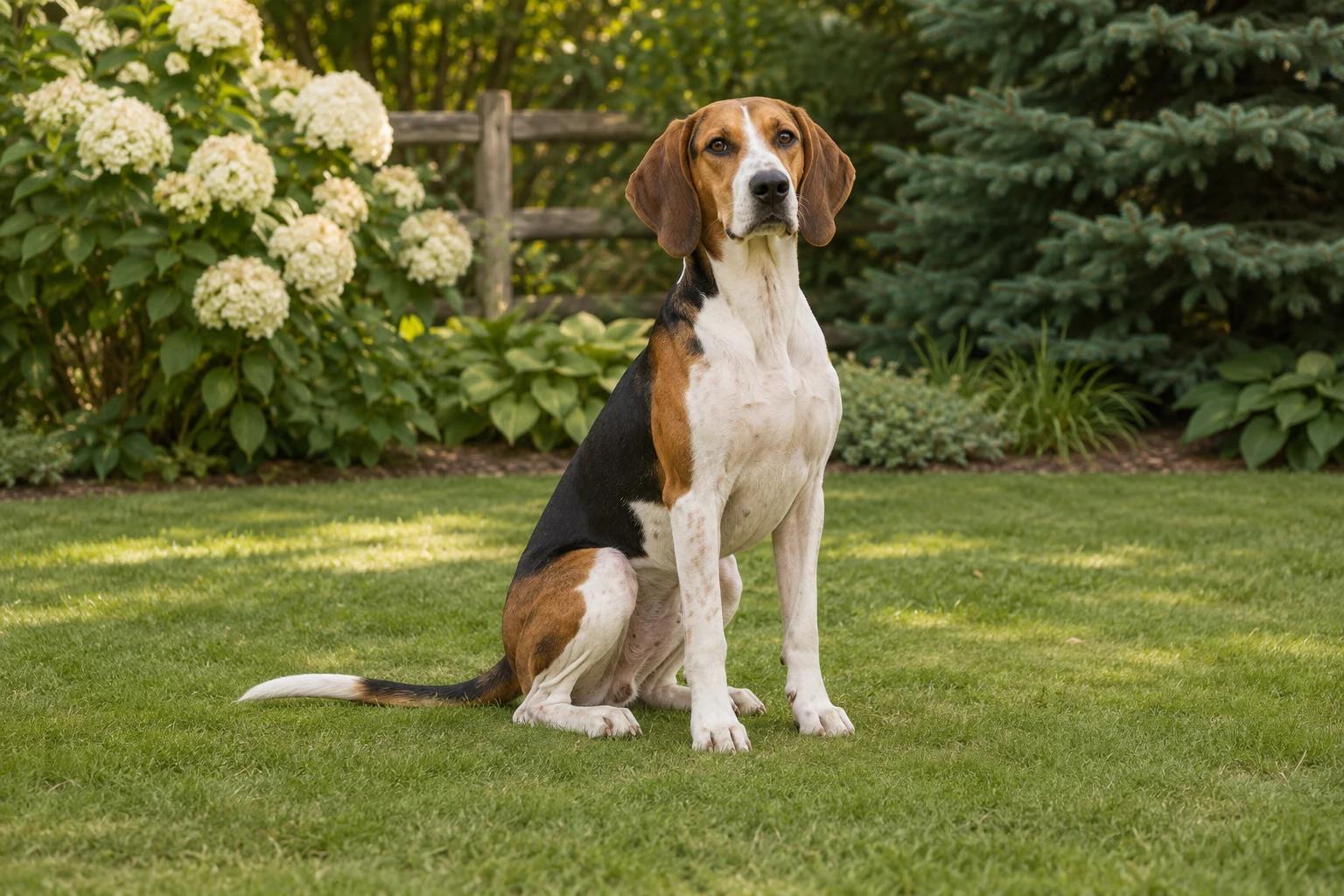
Harrier shedding belongs in the household plan even when the coat looks tidy. A close coat can leave loose hair on bedding, clothes, and car upholstery without looking dramatically different on the dog. The aim is not to eliminate every hair. It is to make routine care easy enough to repeat and to know when a change needs more than another pass with a brush.
The Harrier profile introduces the breed's wider care needs. This guide concentrates on coat-care organization and cleanup rather than promising a particular amount of shedding.
Harrier shedding and the coat you are caring for
The UKC standard describes a short, dense coat with a firm texture, finer hair on the ears, and a brush of hair beneath the tail. VCA's Harrier overview suggests weekly brushing as a routine starting point.
Those descriptions do not tell you exactly how much hair your individual dog will leave behind. They do tell you not to choose a grooming plan designed around long ornamental furnishings. Ask a groomer to show you tools and pressure suited to the actual coat, then build a routine you can maintain.
Observe the dog as well as the brush. A session that collects loose hair but leaves the dog repeatedly avoiding the area is not a practical long-term arrangement. Reconsider the technique or setting and ask for guidance instead of assuming you need a more powerful tool.
Choose a place that makes cooperation easier
Harrier coat care does not require a decorative salon corner. It needs stable footing, space to stand, and supplies you can reach without leaving the dog waiting. A quiet part of a utility room or another familiar floor-level area may be more useful than a cramped bathroom.
Prepare the area first. Put out the chosen brush, a cloth, a container for loose hair, and anything your groomer has advised for the routine. Keep cleaning products and unrelated household items out of reach so the session does not become an exercise in retrieving objects.
If more than one person grooms the dog, demonstrate the process rather than merely pointing to the basket. Tool choice is only one part of care. Pressure, body area, and knowing when to pause are harder to communicate through the words “give the dog a brush.”
Work through the coat deliberately
When learning how to groom a Harrier, avoid spending the whole session on the back because it is easy to reach. Ask your groomer to demonstrate a simple order that includes appropriate attention to the sides and the areas where hair differs in texture.
Do not use the same pressure everywhere. The ears and other delicate areas call for particular care, not an energetic pass with whatever collected the most hair from the body. If you are unsure whether a tool belongs on an area, stop and ask rather than experimenting more forcefully.
Short sessions can be organized around manageable sections. Keep track of what you have done so that dividing the task does not mean repeatedly grooming one side and forgetting the other. The goal is a useful routine, not a dramatic pile of hair to photograph afterward.
Separate coat care from mud management
An outdoor Harrier may come home carrying more than loose hair. Set up a return station near the entrance with towels and a place for wet equipment. Decide where the dog waits while you put away the lead and remove your own muddy shoes.
The useful distinction is between surface cleanup after an outing and the planned brushing session. You do not need to turn every muddy walk into a full grooming appointment. Equally, wiping away visible dirt is not a reason to forget the ongoing coat routine.
Ask a groomer about appropriate cleaning products and methods for your dog. Avoid using a household cleaner simply because it is already beside the door. If material is stuck to the coat or skin and you are unsure how to remove it, obtain professional advice rather than pulling or cutting blindly.
Make the laundry system do some of the work
A washable cover on a favored resting place can simplify cleanup more than buying an extra brush. Choose a cover that stays in place and follows a washing routine your household can manage. Keep a spare available so the dog's familiar resting area is not unusable whenever laundry is running.
For upholstery, test your cleaning method on the material according to the manufacturer's guidance. A tool that removes hair from one fabric may snag another. Keep the car setup separate from the sofa setup if they require different methods.
Think about where hair travels. If a blanket routinely moves from dog bed to sofa to car, you are carrying the cleanup task around the house. Dedicated washable covers may be easier to manage than trying to keep one multipurpose blanket clean everywhere at once.
Learn the dog's pattern without inventing a quota
Notice how much loose hair your usual routine collects over time, but resist converting that observation into a rule for every Harrier. Lighting, fabric color, cleaning frequency, and where the dog rests can all change what you notice around the home.
A brief note is enough if something changes: date, what you saw, and whether there were accompanying signs. You are creating a useful account, not diagnosing a condition. Keep a photograph if it would help explain a visible change to your veterinarian.
New bare patches, persistent scratching, redness, or discomfort warrant veterinary attention. Harder brushing or a new supplement is not a substitute for finding out what is happening. This guide covers routine organization, not medical assessment or treatment.
Find out what maintenance really means before committing
If you are considering a Harrier, ask its caregiver to demonstrate the present routine. How does the dog respond to handling? Which tools are used? Where does most cleanup happen? What changes during the year? A real demonstration makes the commitment clearer than the phrase easy coat.
Ask who handles nails, ears, and other care as separate tasks. A short coat does not remove those responsibilities, but you do not need to perform unfamiliar procedures without instruction. Arrange appropriate help and include it in the ownership budget.
The Harrier height-reference article explores another part of practical breed research. Use the breed quiz to put coat care alongside your activity, space, and companionship preferences. An appealing appearance is only one part of living comfortably with a dog.
FAQ
Do Harriers shed even though their coats are short?
Harriers shed despite their short coats. Plan for loose hair and routine cleanup. The amount you notice depends on the individual dog and your home, so avoid treating a short coat as a promise of hair-free furniture.
How often should I brush my Harrier?
VCA suggests weekly brushing as a starting routine for Harriers. Ask a groomer to demonstrate suitable tools and adjust the practical schedule to your dog's coat and response rather than increasing pressure when more hair appears.
Should I brush harder if I see more loose hair?
More brushing pressure is not the answer to increased loose hair from a Harrier. Review the routine with a groomer, and contact a veterinarian about skin or comfort concerns.
Sources behind this article
Article source checked: November 16, 2026. Source checked 2026-11-16
Keep reading

Affenpinscher Grooming: A Practical Coat-Care Routine
Read article →