Harrier Dog vs American Foxhound: Everyday Fit
Compare Harrier dog and American Foxhound ownership through space, companionship, outdoor routines, noise questions, and care logistics.
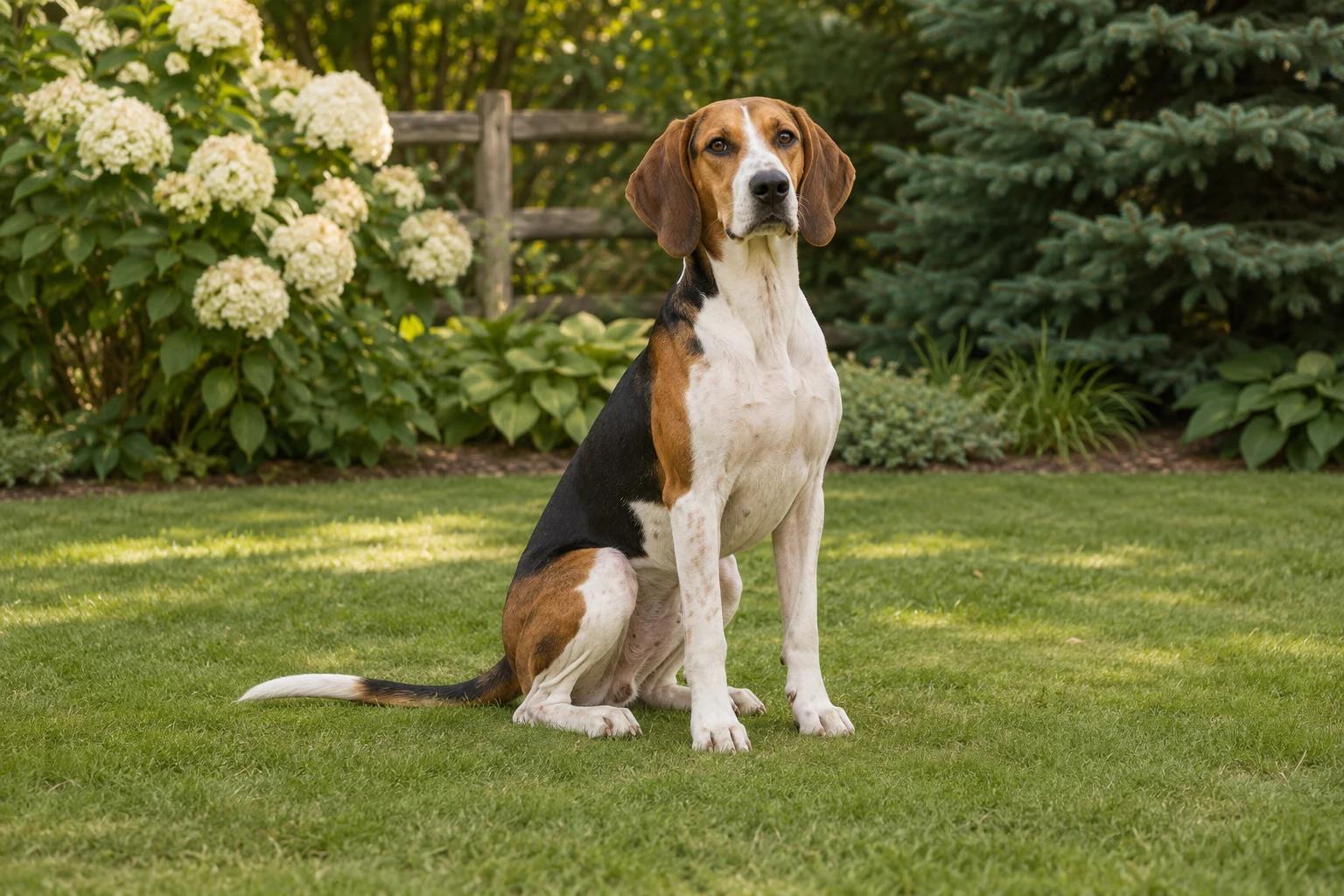
Harrier dog vs American Foxhound is a useful comparison when you like the familiar hound outline but want to understand the daily commitment behind it. Both deserve a plan for outdoor activity, learning, and company. The decision is not simply whether you prefer a smaller-looking or taller-looking dog. It is whether the individual dog's experience and routine fit the household you actually have.
Start with the Harrier profile and American Foxhound profile, then use the questions below to move from admiration to practical planning.
Harrier dog vs American Foxhound: space in real life
The UKC Harrier standard describes a solidly built hound, while the UKC American Foxhound standard describes a muscular outline and deep chest. These are distinct breeds, and equipment should fit the individual rather than a generic picture labeled hound.
The site profiles list Harriers at 45–60 pounds and American Foxhounds at 65–70 pounds for males and 60–65 pounds for females. Use those references for initial planning, not as a way to estimate a particular dog's measurements or decide its appropriate body condition.
Try comparing the practical footprint instead. Where will the dog stretch out? Can the intended travel arrangement accommodate its natural posture? Can everyone responsible for outings manage the existing lead routine? A few extra pounds or inches matter most when they affect a real task, not when they win a numerical comparison.
Company: ask what closeness looks like
The Harrier's standard emphasizes an outgoing, friendly temperament. The site profiles present stronger family-affection tendencies for the Harrier and a more independent companionship style for the American Foxhound. Those are research starting points, not a forecast of which individual will sit nearer your chair.
When considering American Foxhound vs Harrier dog companions, ask the caregivers to describe the ordinary quiet hours. Does the dog choose a nearby resting place? Does it repeatedly seek interaction? What happens when the person changes rooms? These observations help you picture company without reducing it to a score.
Think about your preference as well. Some people enjoy frequent invitations to interact; others prefer a dog who rests nearby without much interruption. Neither preference is wrong. The point is to describe it honestly and compare it with observed behavior rather than hoping the dog will adopt your preferred style after arrival.
Outdoor routines need a weekday version
Both breed profiles place activity toward the higher end of their reference scales. Before choosing a Harrier dog or American Foxhound, describe the outings you can provide on a normal working day. Include who goes, where they go, and what happens when the preferred route is unavailable.
A weekend hike is not a substitute for that plan. Ask the current caregiver about the dog's established activities and what a typical week looks like. If your plan is very different, discuss the transition and any instruction you would need. Do not assume that a dog with a hound label automatically knows your favorite outdoor activity.
Include space for learning and investigation rather than thinking only in miles. For example, identify a route where you can pause without blocking a busy pavement and a secure setting where a trainer can help you practice useful skills. These are planning choices, not a universal exercise prescription.
Sound can decide the housing question
Ask specific questions about vocalizing before falling in love with either dog. What situations prompt it? Is it associated with arrivals, outdoor activity, other dogs, or time alone? What does the caregiver do, and what evidence can they share from an ordinary day?
A quiet first meeting answers only what happened during that meeting. If you live close to neighbors, discuss building rules and the actual layout of your home. A shared entrance, a window facing frequent foot traffic, or a busy corridor may matter more than the total floor area.
Do not choose one breed on an unsupported promise that it will be the silent option. Instead, compare known behavior and management requirements. If noise would be a serious problem in your home, unresolved information about it is a reason to investigate further before making a commitment.
Another dog is not an automatic solution
Hound sociability can encourage people to assume that adding a companion will solve every difficulty. Treat the relationships as individual. Ask what each dog has experienced with familiar dogs, unfamiliar dogs, shared resting places, and separate activities.
Draw a practical layout for introductions and downtime. Can each dog have its own space without making the household difficult to navigate? Can you take one out while the other remains comfortably managed? Who will supervise and help if introductions need professional guidance?
The same care applies to another species. A breed's social description is not evidence of experience with the particular animal already in your home. Ask for known history and obtain appropriate advice rather than treating a general reputation as an introduction plan.
Compare care demonstrations, not maintenance labels
The difference between Harrier dog and American Foxhound ownership also appears in small chores. Ask to watch lead attachment, brushing, and preparation for a car journey. The demonstration can reveal more about your future workload than a list calling both coats easy to maintain.
Notice which parts the dog already understands and which require patient handling. Ask where supplies are kept and how often the caregiver assesses equipment fit. If you will rely on a sitter, find out whether the routine is straightforward to explain to someone unfamiliar with that dog.
For household cleanup, inspect the arrangements rather than expecting a hair-free home from a short coat. Washable covers and accessible storage may make more difference to your daily experience than trying to rank two dogs by a single grooming adjective.
Choose the evidence that matches your life
Make two columns for each prospective dog: what you know and what still needs checking. Record actual examples, such as a familiar travel routine or experience living in a similar home. Leave gaps visible instead of filling them with optimism.
The Harrier height-reference article addresses a separate question about breed standards. This comparison is about the life you will share. Use the breed quiz to organize your priorities, then return to those priorities when discussing a particular dog with its caregiver.
FAQ
Is a Harrier simply an American Foxhound in a smaller size?
No. Harriers and American Foxhounds are distinct breeds. Similar outlines do not make their individual experience, proportions, or household routines interchangeable.
Which breed is easier for a busy household?
Neither a Harrier nor an American Foxhound should be selected solely from a busy-household label. Compare the actual dog's activity, company, training, and care routine with the time and help your household can consistently provide.
What should I check first if I live near neighbors?
When considering a Harrier or American Foxhound near neighbors, ask about the individual dog's vocalizing and its triggers. Consider your building layout and rules, then resolve important unknowns before assuming either breed will suit the setting.
Sources behind this article
Article source checked: November 16, 2026. Source checked 2026-11-16
Keep reading

Affenpinscher vs Brussels Griffon: Everyday Differences
Read article →