Hamiltonstovare Shedding: A Practical Coat-Care Plan
Plan Hamiltonstovare shedding cleanup, gentle brushing, and coat-care routines around a short coat with a seasonal undercoat.
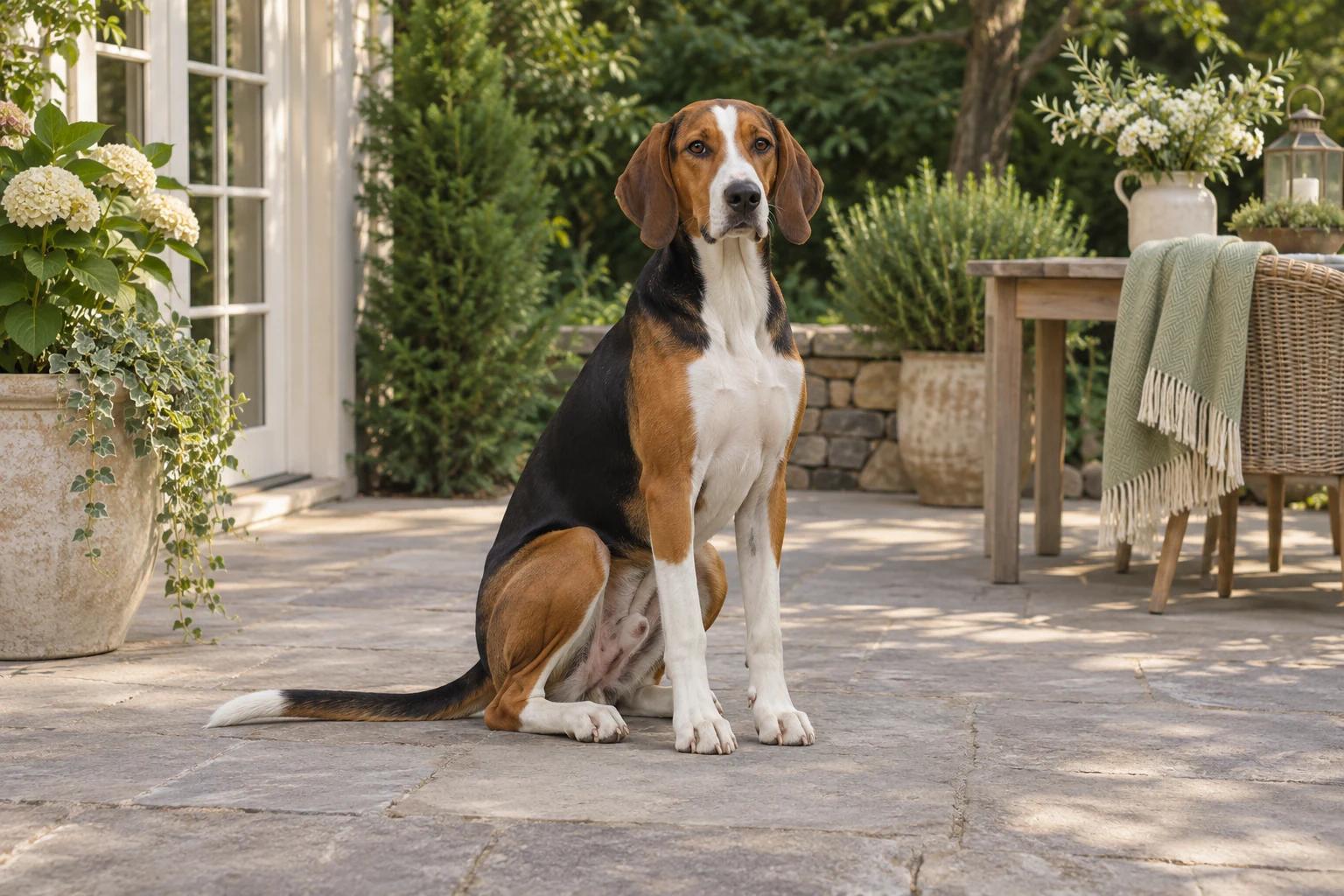
Hamiltonstovare shedding is part of living with the breed, even though its coat looks neat and close-fitting. The practical goal is not a hair-free dog. It is a routine that collects loose hair, keeps equipment manageable, and lets you notice changes without turning every brush session into a project. Short coat does not mean no coat care, but it also does not call for an elaborate styling routine.
Start with the Hamiltonstovare profile, then build your setup around the dog you actually have rather than the most dramatic shedding photograph online.
Hamiltonstovare shedding starts with coat structure
The UKC standard describes a close coat with shorter, smoother hair on the head and ears, and somewhat longer hair in certain areas behind. The Hamiltonstövare Club of GB describes a soft undercoat that becomes thicker in winter beneath the outer layer.
That is enough information to avoid two mistaken purchases: tools chosen for a long, tangling coat and a plan based on the idea that a short-haired dog leaves nothing behind. Instead, ask a groomer to demonstrate a gentle tool suitable for this particular coat. Watch the pressure and direction, not just the name printed on the handle.
There is no useful universal count of hairs a Hamiltonstovare should lose each day. Establish what is ordinary for your dog and your home. A small dark sofa may make pale hairs obvious; a light rug may reveal darker ones. Visibility is not a measurement of the amount shed.
Set up a small, repeatable station
Hamiltonstovare coat care is easier when the supplies live together. Choose a stable, nonslip place at floor level, with enough room for the dog to stand and turn. Keep the brush, a washable cloth, and a container for collected hair within reach before inviting the dog over.
A portable basket is often more useful than a large grooming cabinet. You can bring it to the place where the dog is comfortable rather than moving a reluctant dog to a crowded bathroom. Put products away after use, especially if the grooming area doubles as a utility room.
Start with short, manageable sessions. The objective is a cooperative routine you can repeat, not removing every loose hair in one sitting. If the dog moves away, pause and reconsider the setup or technique. A groomer can demonstrate handling; sudden sensitivity or signs of discomfort belong in a conversation with a veterinarian.
Brush by area, not by impatience
When learning how to groom a Hamiltonstovare, think in small sections. A few gentle passes over one side give you a chance to check the tool and the dog's response. Move around the body deliberately instead of repeatedly scraping the easiest patch while missing the rest.
The head and ears do not need the same approach as the main body. Do not press a shedding tool across delicate areas simply because it worked on the back. Ask for a demonstration of what to use and what to leave alone. A cloth may be all that is needed for some surface cleanup, depending on the situation.
Stop before your patience runs out. A written sequence can help different household members stay consistent: prepare the area, invite the dog, work gently through the planned sections, collect loose hair, and put equipment away. Consistency here means a recognizable process, not forcing the dog through a fixed duration.
Make cleanup fit the rooms you use
Coat care and house cleaning are separate jobs. Brushing may collect loose hair, but it does not replace cleaning bedding or upholstery. Choose washable covers for the places where your Hamiltonstovare actually rests, not just the bed you hoped it would use.
Keep one spare cover ready. When the main cover is being washed, the spare preserves the familiar resting spot and prevents the laundry schedule from dictating where the dog can settle. Follow each item's care instructions rather than assuming every fabric tolerates the same washing method.
For the car, test whether a cover stays in place during normal entry and exit. A cover that slides into the footwell creates another chore. Check how it works with your existing travel restraint instead of buying something solely because it has an attractive photograph of a hound on the packaging.
Adjust through the year without overreacting
Because the breed club describes a seasonally thicker undercoat, keeping brief notes across the year can be useful. Record when you notice more hair and whether your existing routine still handles it. The record is for comparison, not for diagnosing a problem or predicting an exact shedding calendar.
If more hair is collecting, consider whether shorter, more frequent cleanup sessions would be easier than one long session. Do not increase pressure to compensate for an inconvenient schedule. More force is not a substitute for a suitable tool or patient handling.
Distinguish loose hair from a new concern. Bare patches, persistent scratching, redness, or a sudden change deserve veterinary attention rather than a shopping spree for stronger grooming products. Describe what changed and when. This article is about everyday logistics, not identifying causes or choosing treatments.
Ask for a real demonstration before purchase
If you are considering a Hamiltonstovare, ask its caregiver to show the coat-care routine. Which tool is used? Where does the dog stand? Which parts take patience? How does cleanup change during the year? Seeing the routine makes the time commitment more concrete than hearing “low maintenance.”
For a puppy, ask what gentle handling it has already experienced and arrange professional guidance on the next steps. Do not compare a young dog's first attempt with a practiced adult's polished routine. You are building familiarity as well as caring for a coat.
The working-background article covers the breed's traditional role separately. If you are still weighing breeds, the breed quiz can help put coat cleanup alongside activity, space, and company rather than letting one grooming label decide everything.
FAQ
Does a Hamiltonstovare shed despite having short hair?
A Hamiltonstovare sheds despite its short, close coat. Plan for routine coat care and household cleanup, then adjust the workload to the individual dog's coat rather than expecting a fixed amount every day.
Does a Hamiltonstovare need an elaborate haircut?
The Hamiltonstovare's natural coat description does not suggest an elaborate haircut requirement. Ask a groomer about suitable maintenance and tools rather than assuming clipping is the answer to loose hair.
How can I tell whether shedding has changed?
To notice changes in Hamiltonstovare shedding, compare your dog with its own usual pattern and keep dated observations. If a change includes skin concerns or discomfort, contact a veterinarian instead of trying to solve it through harder brushing.
Sources behind this article
Article source checked: November 16, 2026. Source checked 2026-11-16
Keep reading

Affenpinscher Grooming: A Practical Coat-Care Routine
Read article →