Greater Swiss Mountain Dog Grooming: A Practical Plan
Organize Greater Swiss Mountain Dog grooming with a workable brushing space, handling practice, coat observations, and a sensible care handoff.
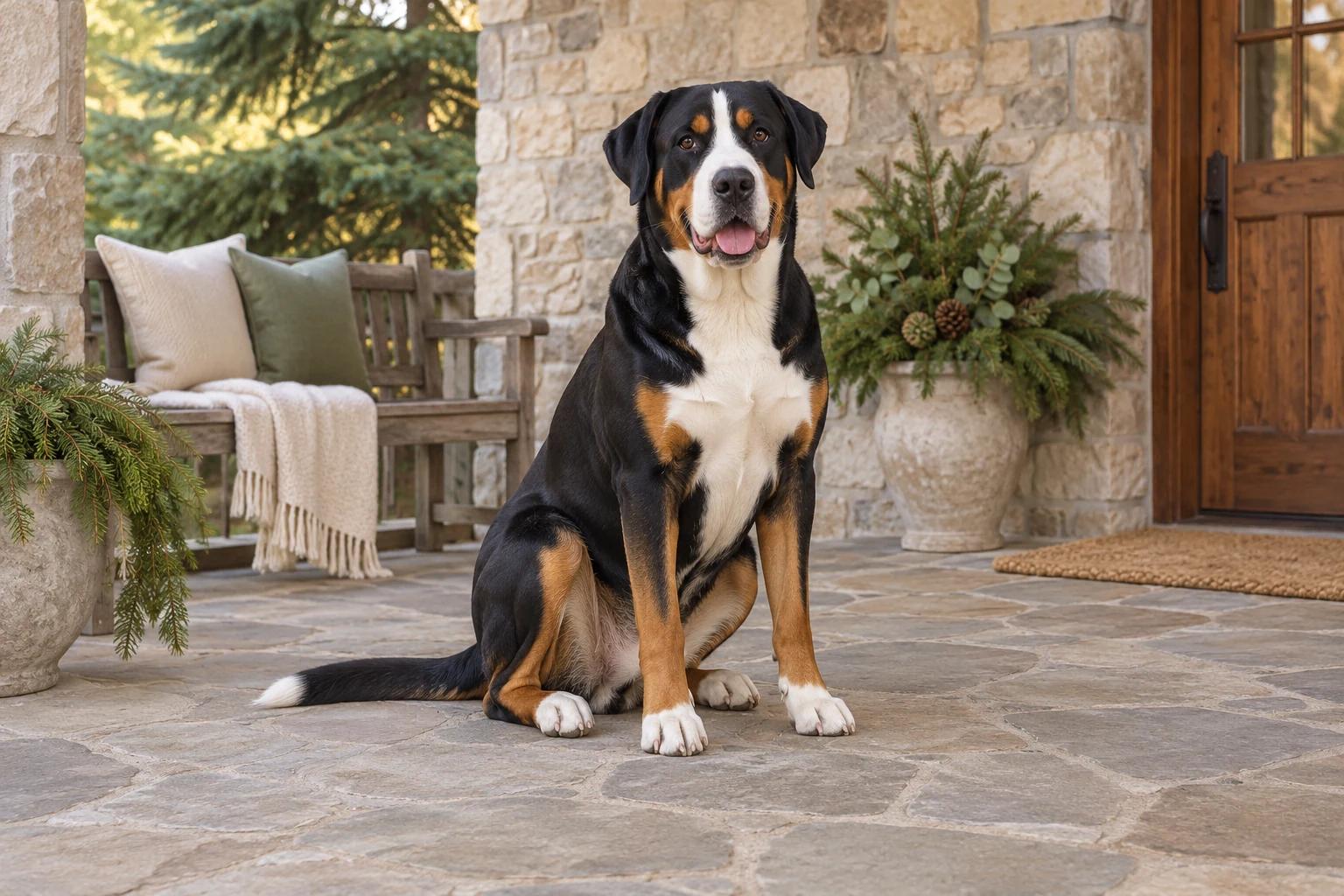
Explore the
Greater Swiss Mountain Dog
Background, care, and everyday considerations.
View breed profile →Greater Swiss Mountain Dog grooming starts with an apparent advantage: a short coat without the flowing furnishings of some other large breeds. The less obvious challenge is the amount of dog you need to reach. A practical routine combines appropriate coat care with enough space, comfortable handling, and a plan that does not depend on wrestling a large adult into position.
Think of grooming as a repeatable household task. The goal is not a show-ring finish every weekend. It is knowing what your Swissy's usual coat looks and feels like, keeping the routine manageable, and noticing changes that need professional attention.
Greater Swiss Mountain Dog grooming: Understand the coat
The Canadian Kennel Club's breed description describes a short, dense coat with undercoat and identifies regular brushing as basic coat maintenance. The GSMDCA beginner guide also discusses the double coat and the importance of introducing routine handling early.
That gives you a useful starting point: short hair still requires attention. It does not tell you that every tool sold for a double coat belongs in your cupboard. Ask an experienced groomer to demonstrate a suitable brush and technique on your own dog before adding more equipment.
The club guide lists a rubber curry comb among its coat-care tools. That is a concrete item to ask about, not a reason to buy every shedding tool it mentions. Bring the tools you already own to that conversation. You may need fewer items than you expected. Learn what comfortable pressure looks like, how to work around sensitive areas, and when a session should end. A product label cannot see the dog's coat or response.
Set up a station a Swissy can actually use
Choose a place where the dog can stand, turn, or lie without being squeezed between furniture. You need access to both sides, not just enough room for the dog to fit. Check your own posture too: a routine that requires prolonged awkward reaching is less likely to be maintained.
A stable, non-slip surface is a sensible starting point. Keep the brush, towel, and rewards within reach before you invite the dog over. Put other equipment away rather than leaving it underfoot. If another person is helping, agree on their role so both of you are not giving different instructions at once.
Do not assume a household table or bathtub is suitable simply because a smaller dog used it. Ask a groomer about an arrangement appropriate for a dog of this size. If access is awkward at home, professional facilities may be a more practical option than improvising a lift.
The setup should also work for a short session. You do not need to unpack a whole collection of equipment every time you want to practice standing on a mat or accepting a brief brush stroke.
Build Greater Swiss Mountain Dog coat care into the week
Choose a regular opportunity to look over the coat, with enough flexibility to respond to what you find. Record the routine in a few words rather than committing to an elaborate calendar you will abandon. “Coat check after the quiet evening outing” is a usable reminder.
Work methodically so you remember which areas you have covered. For example, begin at a familiar, comfortable area, then work through the rest of the coat in an order your groomer demonstrates. Keep the session short enough that you can notice the dog's response instead of concentrating only on finishing.
If the dog is uneasy about a particular movement, stop and separate that handling task from the full grooming session. Ask for help rather than making restraint the centerpiece of the routine. New sensitivity, apparent pain, or a notable skin change should be discussed with a veterinarian.
Leave a brief note if care is shared. “Brushed today; still need help learning comfortable rear-foot handling” is more useful than assuming the next person knows where you stopped.
Greater Swiss Mountain Dog shedding and household cleanup
Plan for loose hair without making a spotless home the measure of success. Brushing and household cleaning are different jobs. Even a well-organized grooming routine does not remove the need to clean bedding, vehicle covers, and the places where your dog rests.
Decide where you are happy to allow washable covers and where you prefer to keep the dog off furniture. Consistency is easier than changing the rules whenever guests arrive. Keep cleaning supplies close to the main resting area so a small task does not become a whole-house project.
Observe changes rather than assigning every patch of hair to ordinary shedding. A coat that looks markedly different, irritated skin, or persistent scratching deserves a veterinarian's attention. Do not start a new product or treatment solely because someone else's Swissy had a superficially similar problem.
At a breeder or rescue visit, ask how the caregiver manages the actual dog's coat at home. Seeing the brush and bedding can give you a clearer picture than a general description of maintenance.
How to groom a Greater Swiss Mountain Dog without rushing
Separate brushing, bathing arrangements, nail care, and other handling into tasks you can understand. Being confident with a brush does not automatically make you ready to trim nails. Ask a groomer or veterinary team to demonstrate unfamiliar procedures rather than learning through a hurried attempt.
For a bath, plan access and drying before the dog is wet. Where will towels sit? Can you move around the dog? How will it leave the bathing area without crossing a slippery surface? Discuss products and frequency with a professional who has seen the coat and skin.
If you book a grooming appointment, explain the dog's handling history accurately. Mention which procedures are familiar, what causes hesitation, and any relevant advice from the veterinarian. Avoid describing the dog only as friendly; a sociable greeting does not answer questions about grooming comfort.
Give a temporary caregiver the same information. Put the normal tools together with a simple note about the routine and professional contacts. Clear instructions are particularly useful for a large dog whose care may be physically awkward for someone unfamiliar with its habits.
See the Greater Swiss Mountain Dog profile for wider ownership context. The article on Swissy pack-hike events covers a separate activity consideration. If you are deciding whether this care routine fits your preferences, start with the breed quiz.
FAQ
Does a short coat mean no grooming?
No. A Swissy's short coat still needs regular attention, and routine care also involves handling tasks beyond brushing. Learn an appropriate technique and arrange a space where you and a large dog can work comfortably.
Which brush should I buy first?
For a Greater Swiss Mountain Dog's coat, ask a groomer to demonstrate a suitable basic brush before buying a collection. The important details are how the tool is used and how your dog responds, not the number of products in your grooming kit.
What if grooming suddenly becomes difficult?
If grooming a Greater Swiss Mountain Dog becomes difficult, stop rather than force the session to completion. Apparent discomfort or new sensitivity should be discussed with a veterinarian. For an established handling difficulty, ask a qualified trainer or groomer to help you develop a gradual practice plan.
Sources behind this article
- Canadian Kennel Club: Greater Swiss Mountain Dog ↗
- GSMDCA: The Beginner’s Guide to the Greater Swiss Mountain Dog ↗
Article source checked: November 16, 2026. Source checked 2026-11-16
Keep reading

Affenpinscher Grooming: A Practical Coat-Care Routine
Read article →