Goldendoodle vs Labradoodle: Compare the Actual Dogs
Compare Goldendoodle vs Labradoodle ancestry, coat work, size information, and observed habits before choosing between individual dogs.
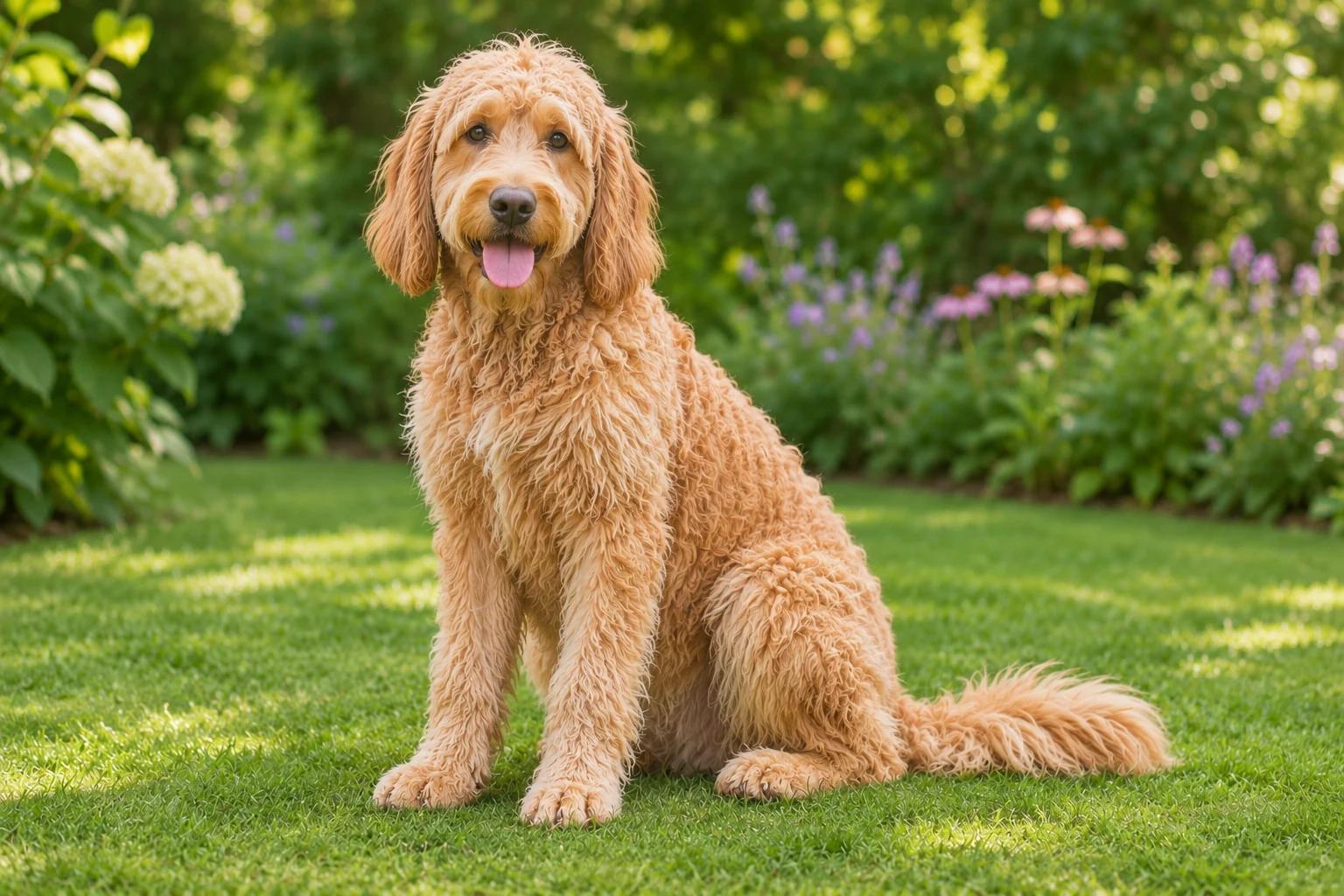
A Goldendoodle vs Labradoodle comparison begins with ancestry, but a useful decision goes further. Goldendoodles have Golden Retriever and Poodle ancestry; Labradoodles begin with Labrador Retriever and Poodle ancestry. That naming difference does not provide a ready-made answer about the coat you will maintain, the adult size you will accommodate, or the way a particular dog greets visitors.
Use the Goldendoodle profile and Labradoodle profile as starting points. Then compare evidence about the individual dogs, giving observed routines more weight than familiar promotional adjectives.
Goldendoodle vs Labradoodle: establish what is being compared
GANA identifies the Golden Retriever and Poodle as the Goldendoodle's founding breeds. ALAA describes a first-cross Labradoodle as a Labrador Retriever crossed with a Poodle and distinguishes Australian Labradoodle ancestry. See GANA's standard and the ALAA breeder FAQ for those definitions.
Ask the caregiver to describe the actual dog rather than assuming that every listing under a similar name means the same thing. If Australian Labradoodle is the term being used, clarify that before making a two-column comparison. You should not unknowingly compare one described ancestry with another and then attribute all differences to a simple label.
Keep this step brief and factual. You need enough background to understand the information supplied, not a long debate about which name sounds more established. Once the ancestry is clear, move to the care and behavior questions that will affect your household.
Compare grooming work, not just curls
The first visible difference between Goldendoodle and Labradoodle candidates may be their current haircut rather than an inherent difference between the crosses. Ask when each dog was last groomed and what its coat looks like at the usual point before the next appointment.
For the Goldendoodle, GANA's grooming guidance emphasizes checking with a comb after brushing so that the surface is not the only area assessed. That is a useful demonstration to request rather than assuming fluffiness equals easy maintenance. Read GANA's grooming FAQ.
For either dog, ask the caregiver to show you the home routine and describe the professional services used. Where do tangles recur? What happens after a wet walk? Is the current length one you could maintain? Those answers let you compare work rather than rank photographs.
Do not infer a fixed shedding outcome from the name or curl pattern. Ask what has actually been observed in the adult dog, and keep that separate from the time required to maintain the coat. A puppy's current appearance is not the same evidence as an adult's established grooming routine.
Put size estimates on the same footing
When choosing a Goldendoodle or Labradoodle, ask for measurements and the meaning of any size label. A miniature description in one listing may not give you information directly comparable to a standard description in another.
GANA explicitly notes that a Goldendoodle puppy's final size can differ from a breeder's estimate. Its size guidance is a reminder to distinguish a projection from an adult measurement. Apply that distinction to the evidence you collect for both candidates.
Use separate lines for current dimensions, projected adult dimensions, and the source of the projection. Do not fill gaps by averaging the parent breeds' reference sizes. If a practical requirement depends on exact fit, such as a particular transport arrangement, investigate the requirement rather than relying on a broad category.
An adult dog's actual measurements may make this comparison easier. Even then, check equipment individually. Similar weight does not necessarily mean the same harness size or the same usable resting space.
Observe the moments between activities
Personality labels are often appealing but difficult to compare. “Playful” does not tell you what happens when the toy is put away. “Affectionate” does not explain how a dog responds when a person moves to another room.
Ask each caregiver for a recent example of an ordinary transition. How did the dog respond when a visitor arrived? What happened after an outing? How was a quiet period introduced? You are looking for routines you could continue and areas where further teaching is needed.
If possible, watch a familiar handling task rather than creating an artificial test. The caregiver can adjust walking equipment, ask for a known cue, or invite the dog to a resting spot. Notice what support they provide. A dog receiving clear help is giving you useful information; it is not failing because the result is not effortless.
Avoid deciding that one cross is universally calmer or more trainable. Differences between two particular dogs may be the important part of your decision, but you need to describe those differences honestly rather than converting them into a rule about every Goldendoodle or Labradoodle.
Turn a comparison into a shortlist
For each candidate, write three short paragraphs rather than a score out of ten. The first describes the practical care you observed. The second describes behavior and existing skills. The third lists unanswered questions and the next person who could answer them.
For example, the care paragraph might say that a groomer maintains the coat at a particular length and the caregiver demonstrated checking the legs. The behavior paragraph might describe waiting comfortably while a lead was fitted. The final paragraph might note that you still need information about time alone or transport.
This approach makes a Labradoodle vs Goldendoodle choice less dependent on a single charming visit. It also lets household members disagree about a concrete commitment. One person may be comfortable with the grooming routine while another is not; that is worth resolving before choosing the dog.
Set aside a separate conversation with your veterinarian about records and health questions. Neither a polished presentation nor a crossbreed name settles those matters. Ask for the actual documents rather than treating a general claim as a substitute.
For more detail on Goldendoodle ancestry shorthand, read the guide to generation labels. The breed quiz can organize preferences, but the final shortlist should reflect the specific dogs and care arrangements you have investigated.
FAQ
What is the main difference between a Goldendoodle and a Labradoodle?
The founding retriever ancestry differs: Golden Retriever for the Goldendoodle and Labrador Retriever for the Labradoodle, alongside Poodle ancestry. Ask about the actual lineage because similar listing names can describe different breeding backgrounds.
Is a Goldendoodle easier to groom than a Labradoodle?
The name alone cannot establish that. Compare each dog's coat condition, usual trim, demonstrated home routine, and professional grooming needs. A recent haircut can hide how much maintenance the owner normally performs between visits.
Which cross is the better fit for a smaller home?
Compare actual dimensions, activity arrangements, noise, outdoor access, and the dog's established habits. A size label by itself does not answer those questions. For a puppy, allow for uncertainty in the adult-size estimate.
Sources behind this article
- GANA: Goldendoodle Breed Standard ↗
- GANA: Goldendoodle Sizes ↗
- GANA: Grooming FAQ ↗
- ALAA: Breeder FAQ ↗
Article source checked: November 15, 2026. Source checked 2026-11-15
Keep reading

Affenpinscher vs Brussels Griffon: Everyday Differences
Read article →