Goldendoodle Sizes: Labels, Measurements, and Fit
Understand Goldendoodle sizes, separate estimates from adult measurements, and plan equipment without treating a label as a guarantee.
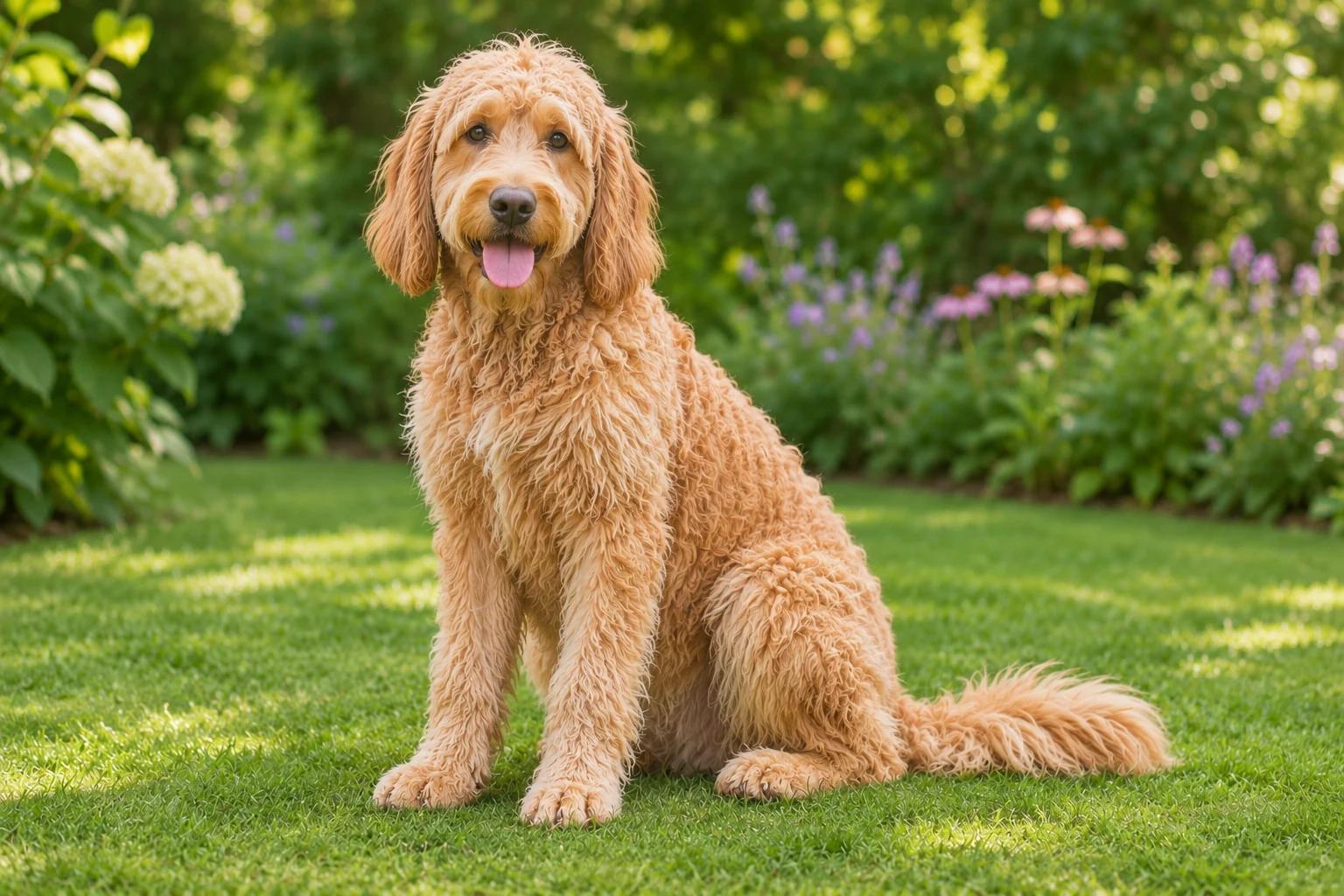
Goldendoodle sizes are useful only when you know what a label means and what was actually measured. “Mini” on a puppy listing, a parent's adult weight, and a dog's shoulder height are three different pieces of information. Putting them in separate boxes helps you make a practical choice without treating a category name as a guaranteed outcome.
The Goldendoodle profile lists an overall adult weight reference of 15–90 pounds across sizes and a standard-height reference of 20–24 inches. Smaller varieties vary; the overall weight range is not a miniature-only or standard-only range. Then focus on the individual dog, the source of the estimate, and the size your home and equipment can comfortably accommodate.
Goldendoodle sizes: what the names can tell you
The Goldendoodle Association of North America uses petite, miniature, medium, and standard categories. Its size guidance classifies adult dogs using height at the withers, the shoulder area, and explains that a breeder's puppy-size estimate is not exact. GANA's sizes page is the source for that association's terminology.
A label can therefore start a conversation, but it cannot finish it. Ask which definition the breeder uses and whether the description concerns an adult measurement or a future expectation. Write down the answer rather than assuming that two sellers use the same words in exactly the same way.
The association's breed standard also distinguishes height from weight when describing size. Keep both measurements in your notes. Neither a fluffy outline nor a weight by itself tells you the dog's full dimensions.
A Goldendoodle size chart using the site's references
Keep the scope of each number attached to it. The site's weight figure covers Goldendoodles across sizes, while its height figure specifically describes standard dogs:
| Measurement | My Breed Atlas reference | What it describes |
|---|---|---|
| Adult weight, across sizes | 15–90 pounds | An overall crossbreed reference, not a category-by-category guarantee |
| Standard adult shoulder height | 20–24 inches | Standard dogs; do not apply this to every smaller variety |
| Petite, miniature and medium dimensions | No separate numeric bands provided on the site | Ask which category definition is used and request actual adult or family measurements |
If your search began with “mini medium standard Goldendoodle,” compare the labels using the same type of evidence in each column. Comparing one adult's measured height with another puppy's projected weight creates a misleading impression of precision. If information is missing, leave the box empty and ask for it.
Ask where a puppy estimate came from
When asking how big do Goldendoodles get, narrow the question to the puppy being considered. Ask about both parents, any relevant adult relatives, and what information the breeder used. A useful answer explains the reasoning and the uncertainty instead of repeating the listing's category.
Keep an estimate separate from a requirement. “We would prefer a smaller dog” leaves room for adjustment. “Our housing arrangement has a hard size limit” is a different constraint. If an uncertain adult outcome would create a serious problem, discuss that before committing to a puppy.
An adult dog can offer more concrete information about current dimensions. That does not remove every ownership question, but it changes the size conversation from forecasting to measuring. Ask the caregiver for current information rather than relying on an old adoption description or a photograph taken during puppyhood.
Avoid trying to force certainty from a single puppy weight or the size of the paws. You need enough information to plan responsibly, not a calculation that sounds more exact than its evidence.
Measure for the object you are buying
A bed, harness, travel arrangement, and grooming space do not all use the same measurement. Before purchasing, read the specific maker's instructions and check the dimensions it requests. A category printed on packaging may not correspond to the category used in a breeder's description.
For wearable equipment, record the relevant measurements and the date. Recheck fit as the dog grows, especially before relying on equipment in a new setting. If you are unsure how something should sit, ask a knowledgeable professional to demonstrate rather than guessing from a product photograph.
For resting space, consider the dog lying out as well as standing. Lay out the proposed footprint on the floor with removable markers and see whether people can still move around it. Try the same exercise where you plan to keep grooming supplies. The dog is not the only thing that needs room.
Transport deserves its own check. Confirm that the intended arrangement fits the vehicle and follows the equipment maker's instructions. A product that fits the dog but cannot be installed correctly is not a workable solution.
Size and care are separate decisions
Do not assume a smaller Goldendoodle automatically means a simpler routine. Keep size, coat maintenance, training, and company needs on separate lines of your plan. A compact dog still needs handling skills and a grooming arrangement suited to its actual coat.
Likewise, a larger size does not tell you how a particular dog behaves on a lead. Ask for a demonstration of ordinary handling, including moving through a doorway and waiting while equipment is adjusted. Those observations answer a different question from adult weight, and both matter.
If more than one person will provide care, include them in the practical check. Can everyone operate the fastenings and manage the transport setup? Where will equipment be stored? These details are easy to miss when the conversation stays focused on whether the dog is called mini or medium.
Keep a record that can change
Create a simple measurement note with three headings: observed now, estimated adult outcome, and decisions still pending. Put dates beside measurements and identify who supplied an estimate. When new information arrives, update the relevant section instead of overwriting uncertainty with a confident label.
This also helps you postpone purchases sensibly. You might need an adjustable item now but be able to wait before buying an expensive permanent setup. Decide what must be ready at arrival and what can follow a later fitting.
For the separate question of ancestry terminology, see Goldendoodle generation labels explained. The breed quiz can help you compare broader preferences, but physical fit should be checked with the dog's own measurements whenever possible.
FAQ
How big do Goldendoodles get?
My Breed Atlas lists an overall adult weight reference of 15–90 pounds across sizes and a standard-height reference of 20–24 inches. Smaller varieties vary. A puppy's size label is not an exact adult-weight guarantee. Ask which definition is being used and what evidence supports the estimate. If your situation has a hard size restriction, treat the uncertainty as an important part of the decision.
Is Goldendoodle size measured by height or weight?
GANA's adult size categories use height at the withers as the determining measure. For everyday planning, record both height and weight, then follow each equipment maker's specific fitting instructions.
Can I choose a harness from the size label alone?
No. Use the measurements requested by the harness maker and check fit on the dog. Mini, medium, and standard labels do not replace product-specific dimensions, especially while a puppy is growing.
Sources behind this article
Article source checked: November 15, 2026. Source checked 2026-11-15
Keep reading

Airedale Terrier Temperament: What Everyday Life Can Feel Like
Read article →