Golden Retriever vs Labrador Retriever: Daily Differences
Compare Golden Retriever vs Labrador Retriever coat care, learning, activity, and practical handling without relying on personality stereotypes.
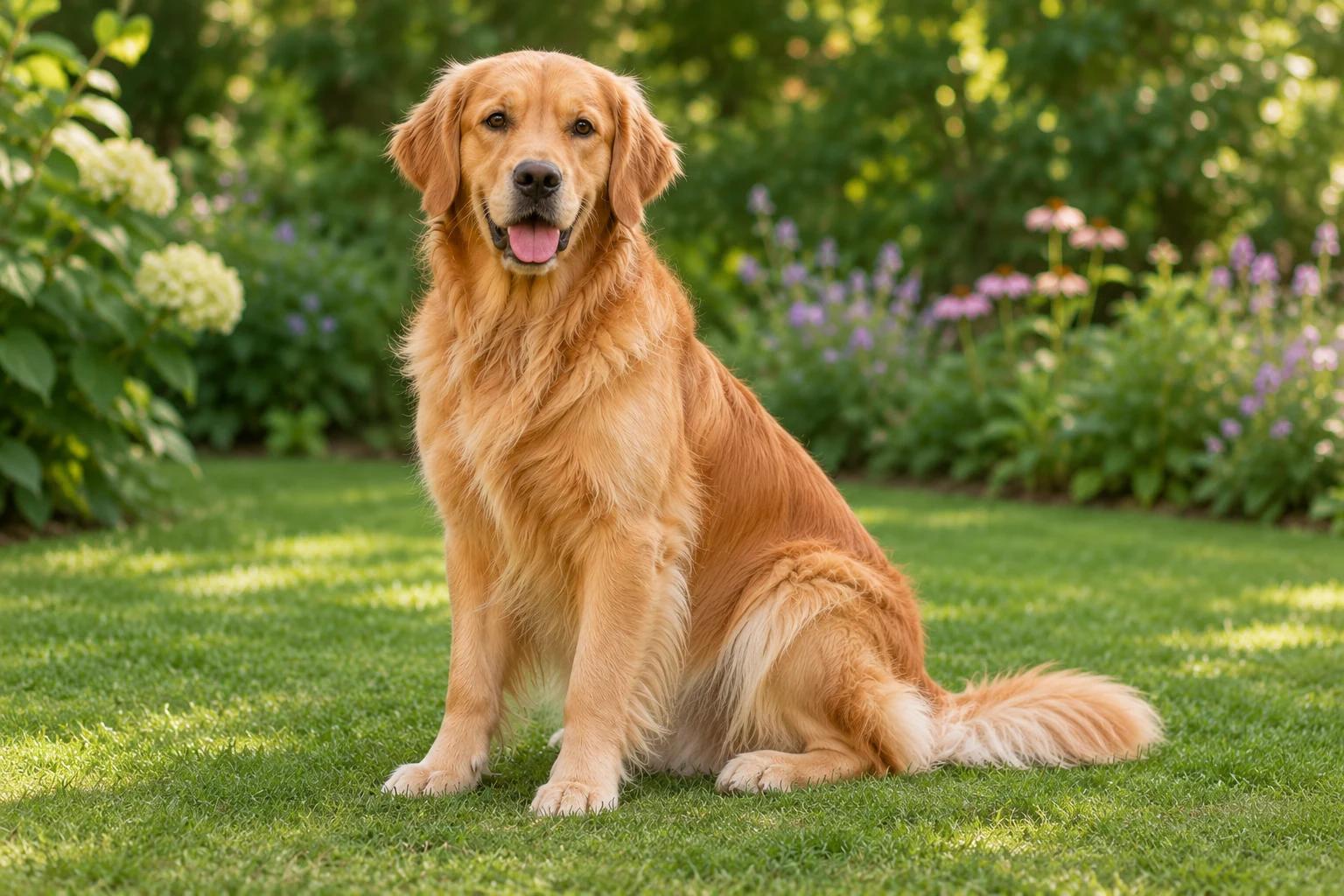
The Golden Retriever vs Labrador Retriever decision is often presented as a choice between two versions of the same dog. Both are retrievers, but the ownership details deserve a closer look. Start with the difference you will actually touch: the Golden's feathered coat and the Labrador's shorter coat. Then compare the particular dogs' activity patterns, handling needs, and learning history rather than picking a personality stereotype.
The Golden Retriever profile and Labrador Retriever profile provide the reference picture for each breed. Neither profile replaces meeting a dog or asking detailed questions about its background.
Golden Retriever vs Labrador Retriever: begin with the coat
VCA describes a dense, feathered coat on the Golden and a short, dense double coat on the Labrador. This is a tangible difference between Golden Retriever and Labrador Retriever ownership: the tools, inspection routine, and appearance of grooming work will not be identical. See the Golden overview and Labrador overview.
Picture the same walk through damp grass. With the Golden, you will want a plan for checking the longer furnishings and anything caught in them. With the Labrador, do not let the shorter outline persuade you to ignore the coat or equipment contact points. Ask each caregiver to show you what the dog actually needs after that kind of outing.
Then picture your sofa, car, and favorite dark trousers. Both breed profiles place shedding toward the higher end of their reference scale. Choosing the Labrador is not a decision to stop thinking about loose hair. Choosing the Golden means accepting coat work beyond appreciating how the feathering looks in photographs.
The Golden Retriever Club of America makes a useful point: grooming does not remove the reality of shedding. Its ownership guide is worth reading before deciding that an attractive coat will be easy to live with.
Compare the dog at the end of an outing
Activity comparisons are most useful when they describe a real sequence. Ask what the dog does before going out, during the outing, and after returning home. A lively start is only one piece of the picture. You also want to understand how the dog moves into quiet time.
A breed comparison does not create a fixed exercise prescription or tell you which individual dog will settle more readily. Ask about the actual dog and the kind of engagement that has worked well, rather than assigning a daily number from a chart. Include ordinary walks and quieter outings in the conversation, not only exciting games.
For example, a caregiver might describe a Labrador who enjoys retrieving and then rests nearby, or a Golden who remains busy after an exciting outing. Those accounts are more actionable than “high energy” on its own. Ask what happened on a day when the usual activity was shortened and how the caregiver adapted.
Be equally honest about your own preferences. If you dislike throwing toys, say so. If you enjoy structured learning but not long drives to dog activities, include that in the discussion. The right comparison is between a dog's needs and things you will willingly repeat.
Look at manners, not the friendly reputation
A sociable dog can still pull toward visitors, jump at greetings, or carry something you would rather keep. When deciding between a Golden Retriever or Labrador Retriever, observe the ordinary transitions: entering a doorway, waiting while equipment is adjusted, and moving away from an interesting person.
Ask the caregiver to demonstrate a familiar cue. Notice the circumstances in which it works, including the distance from distractions and the reward used. A response in a quiet room is useful information, but it is not proof that the same skill is ready for a crowded pavement.
Both profiles describe responsive learners. Treat that as an invitation to teach, not permission to skip teaching. Agree on who will practice lead manners and how visitors will be introduced before a large, enthusiastic dog arrives home.
If you already have animals, describe them specifically. “We have a cat who uses this hallway” opens a more useful conversation than “Are retrievers good with pets?” Discuss management, past experience, and introductions for the actual animals involved. Do not use either breed's reputation as a compatibility certificate.
Adult size overlaps, so measure the practical things
These are not naturally a small-dog and large-dog pairing. Their adult reference ranges overlap substantially. Look at your car arrangement, the width of the route to the door, and the place where the dog will rest rather than assuming one breed name solves a space problem.
For an adult dog, actual measurements are more useful than a breed average when choosing equipment. For a puppy, ask about the parents and available adult relatives, while allowing for uncertainty. Do not buy a permanent setup around the smallest possible outcome.
Consider handling as well as dimensions. Can the person doing regular walks manage the dog comfortably while opening a gate or carrying supplies? Could another caregiver use the same equipment? These practical questions often matter more than a small difference between standard weight ranges.
Questions that make a visit worthwhile
A Labrador Retriever vs Golden Retriever comparison becomes more informative when you ask both caregivers comparable questions without expecting identical answers:
- What coat care did this dog need in the last week?
- Which greeting or lead skill is still being practiced?
- What does the dog do when a game ends?
- What activity does the dog choose when offered a few suitable options?
- What would you want a new owner to keep doing consistently?
Request examples and, where practical, demonstrations. Leave room for the caregiver to describe a difficulty rather than rewarding only reassuring answers. “Still learning to wait at the doorway” gives you something concrete to plan for.
If you lean toward the Golden, read giving the breed a place in your day. Use the breed quiz to organize preferences, then return to the individual dogs. A useful decision may come down to which coat routine you accept and which dog's established habits you can support, not which breed wins an overall contest.
FAQ
Is a Labrador Retriever easier to groom than a Golden Retriever?
A Labrador has a shorter coat without the Golden's longer feathering, so the hands-on work differs. That does not make the Labrador free of shedding or routine care. Ask for a demonstration of the specific dog's maintenance needs.
Is a Golden Retriever calmer than a Labrador Retriever?
Neither breed name tells you which of two individual dogs will be calmer. Compare their responses to outings, visitors, and the end of play, including what helps them settle afterward. Ask for examples from ordinary days, not only a first meeting.
Which retriever is easier to train?
Both breeds are described as responsive learners. The more useful comparison is each dog's existing skills, motivation, and experience. Choose a training approach and level of support you can sustain rather than expecting the breed name to supply manners.
Sources behind this article
- VCA: Golden Retriever ↗
- Golden Retriever Club of America: Is a Golden Retriever Right For You? ↗
- VCA: Labrador Retriever ↗
Article source checked: November 15, 2026. Source checked 2026-11-15
Keep reading

Affenpinscher vs Brussels Griffon: Everyday Differences
Read article →