German spitz vs Pomeranian: choosing daily companionship
Compare German Spitz and Pomeranian handling, coat care, household noise, and daily interaction before choosing an individual dog.
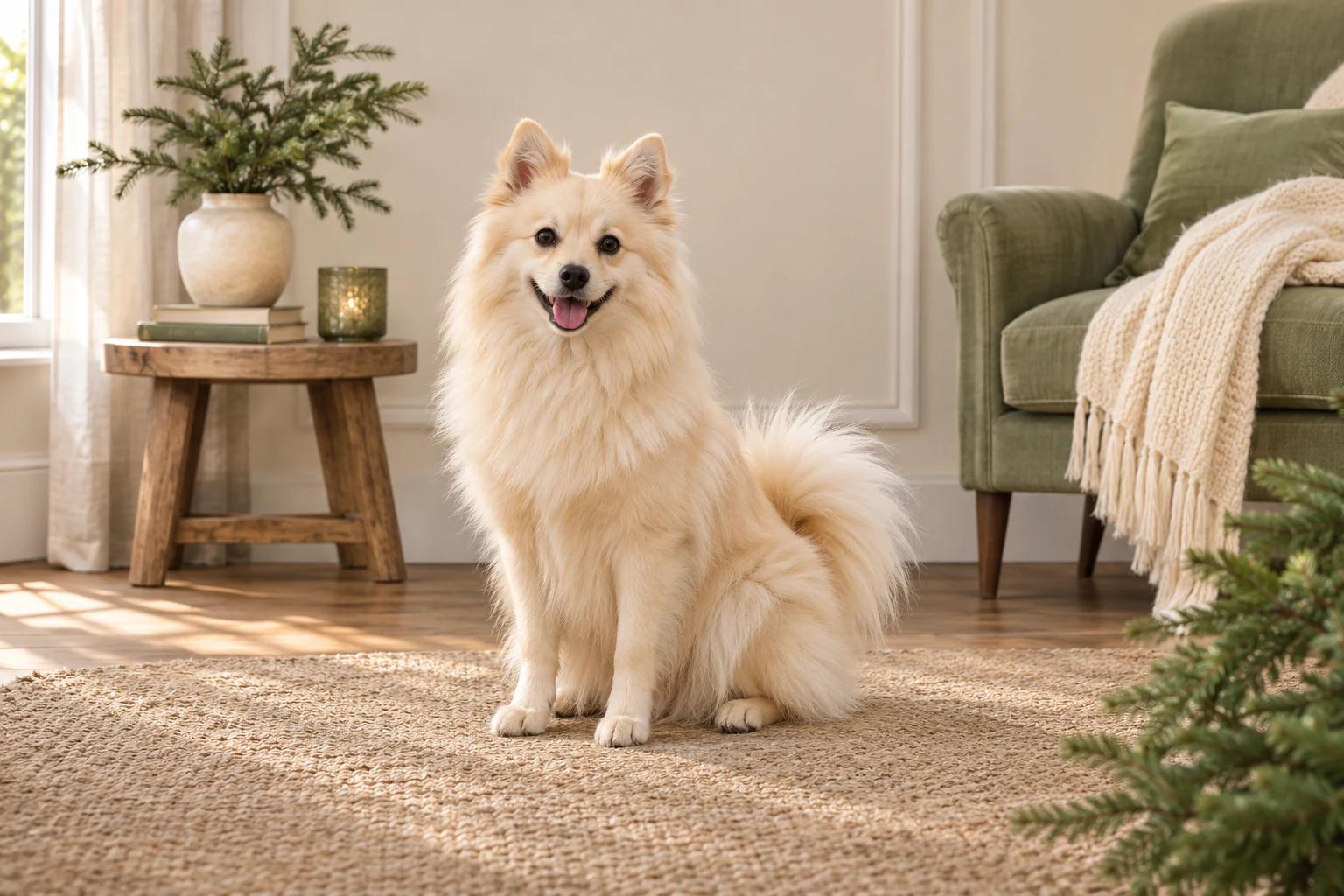
German spitz vs Pomeranian is a practical choice about companionship, handling, coat care, and the kind of daily interaction you enjoy. Their family resemblance can draw attention to the photographs first. A more useful comparison starts with the adult dogs and the responsibilities that remain when the novelty of a fluffy puppy has faded.
The AKC German Spitz introduction emphasizes an attentive, lively dog. Its Pomeranian introduction describes a small toy companion with a lively character. Neither description establishes how a particular dog will fit your home.
German spitz vs Pomeranian: compare the daily experience
Begin with the German Spitz profile and Pomeranian profile, then identify the questions a profile cannot answer. How does this adult dog behave at the entrance? What care does it accept comfortably? What activities does it enjoy with its person? Which parts of its routine would have to change in your household?
Confirm which German Spitz variety you are meeting before choosing equipment or arranging travel. The existing German Spitz variety guide explains the labels. Ask for the actual dog's records, then concentrate on the care and handling it needs.
Look beyond the first greeting
At a visit, ask whether you can observe an ordinary stretch of time after the initial excitement. A dog being held for a photograph tells you little about how it moves through the home, responds to handling, or spends time near familiar people.
Do not manufacture surprises to test temperament. Instead, ask the caregiver to describe events that have already happened and the arrangements that work. If the dog has never experienced your kind of home, mark that as an unanswered question rather than filling it with a breed stereotype.
A smaller dog still needs a handling plan
The UKC Pomeranian standard gives a weight range of 3–7 pounds, matching the Pomeranian profile. The German Spitz profile spans 10–50 pounds across its listed sizes. That is a meaningful difference when considering carriers, door gaps, and who can manage travel equipment. These reference ranges do not predict a puppy's final weight; use the actual adult's measurements for fitting.
Avoid making carrying the only response to every situation. Discuss appropriate walking, handling, and environmental choices with the professionals helping you. If lifting is necessary, learn a suitable method and tell caregivers how the dog is accustomed to being approached.
For a German Spitz, be equally specific about the individual rather than guessing from a broad breed name. Ask to see the equipment already used and how the current caregiver manages travel and entrances. You need a workable routine, not a general conclusion that one breed is more portable.
Compare grooming work, not just the amount of fluff
The UKC German Spitz standard describes a layered coat with a softer undercoat and straight outer hair. The UKC Pomeranian standard also describes two layers: dense undercoat supporting long, straight outer hair, with a neck ruff and fuller hair behind the legs and on the tail. Choosing the smaller dog therefore does not remove the layered-coat task. Ask to see what the caregiver does between professional visits.
When considering German Spitz or Pomeranian, make an appointment with a knowledgeable groomer to discuss the sort of care you would be taking on. Ask which tasks you can learn, how the dog is introduced to handling, and what an appointment includes. Local availability matters if you expect professional help to carry a substantial part of the workload.
Do not compare care using only a photograph of a freshly finished dog. Ask about the coat before the appointment, difficult areas, and the time spent maintaining it at home. A manageable plan is one you understand well enough to repeat, including what to do when you miss a session or the usual groomer is unavailable.
Take household noise seriously for either choice
Both profiles make vocal behavior a consideration. The difference between German Spitz and Pomeranian should not be framed as noisy versus silent. Ask about the specific sounds and situations that prompt a response, then consider whether those events are common where you live.
If your entrance opens onto a busy shared corridor, describe that clearly. If you take calls beside a street-facing window, explain the setup. A breeder or caregiver can give more useful advice when they know the environment than when they are asked whether the dog is suitable for an apartment in the abstract.
Plan management and training before a noise complaint becomes the first sign of a mismatch. A reward-based trainer can help you choose useful alternative behaviors and workable arrangements. Do not assume an alert tendency disappears simply because the dog is small enough to sit on your lap.
Match your preferred interaction style
Pomeranian vs German Spitz comparisons often turn personality into a contest for affection or cleverness. Those rankings are not a useful substitute for describing how you want to spend time with a dog. Are you looking forward to teaching small skills? Do you enjoy shared outings? Are you willing to practice care handling rather than delegate it completely?
During meetings, notice whether your preferred activities match what the individual dog finds engaging. A dog that enjoys one person's routine may still need adjustment to yours. Ask which games are familiar and which cues are already taught so you can imagine the transition in practical terms.
Be honest about what you do not enjoy. If brushing feels like a chore you will repeatedly postpone, do not dismiss that concern because a coat looks beautiful. If noise is unusually difficult for your household, make it a central requirement rather than a small footnote in the decision.
Evaluate the support behind the match
Ask what happens after the dog comes home. Who can answer questions about the established routine? What records will you receive? What support is available if the transition exposes a difficulty that was not obvious during visits? Keep those answers alongside your observations of the dog.
For an adult, ask for the clearest available history. For a puppy, understand that some questions remain open and that early impressions are not adult guarantees. In both cases, veterinary records and appropriate professional advice belong in the decision, not assumptions based on size or coat.
Use the breed quiz to organize your preferences, then compare the actual candidates against them. The most useful outcome may be choosing one particular dog, revising your preparation, or deciding to wait. You do not need to declare a universal winner between the two breeds.
FAQ
Is a Pomeranian simply a smaller German Spitz?
Naming depends on the registry and context, so inspect the individual dog's records rather than treating the terms as interchangeable. For ownership decisions, compare the actual dog and its established needs.
Which is easier to groom?
That depends on the individual coat, handling skills, and professional support available. Ask for a practical demonstration of home care instead of using overall fluffiness as a workload measure.
Which is better for an apartment?
An apartment decision needs information about noise, entrances, outdoor access, and the particular dog's experience. Small size alone does not settle those questions for either breed.
What should I observe when meeting adults?
Look at ordinary transitions, comfortable handling, and what happens after the first greeting. Ask for examples from daily life rather than staging stressful tests or judging the whole dog from a photograph.
Sources behind this article
Article source checked: November 15, 2026. Source checked 2026-11-15
Keep reading

Affenpinscher vs Brussels Griffon: Everyday Differences
Read article →