German spitz temperament: everyday expectations
Understand German Spitz temperament through visitors, alertness, shared activities, care handling, and practical questions for caregivers.
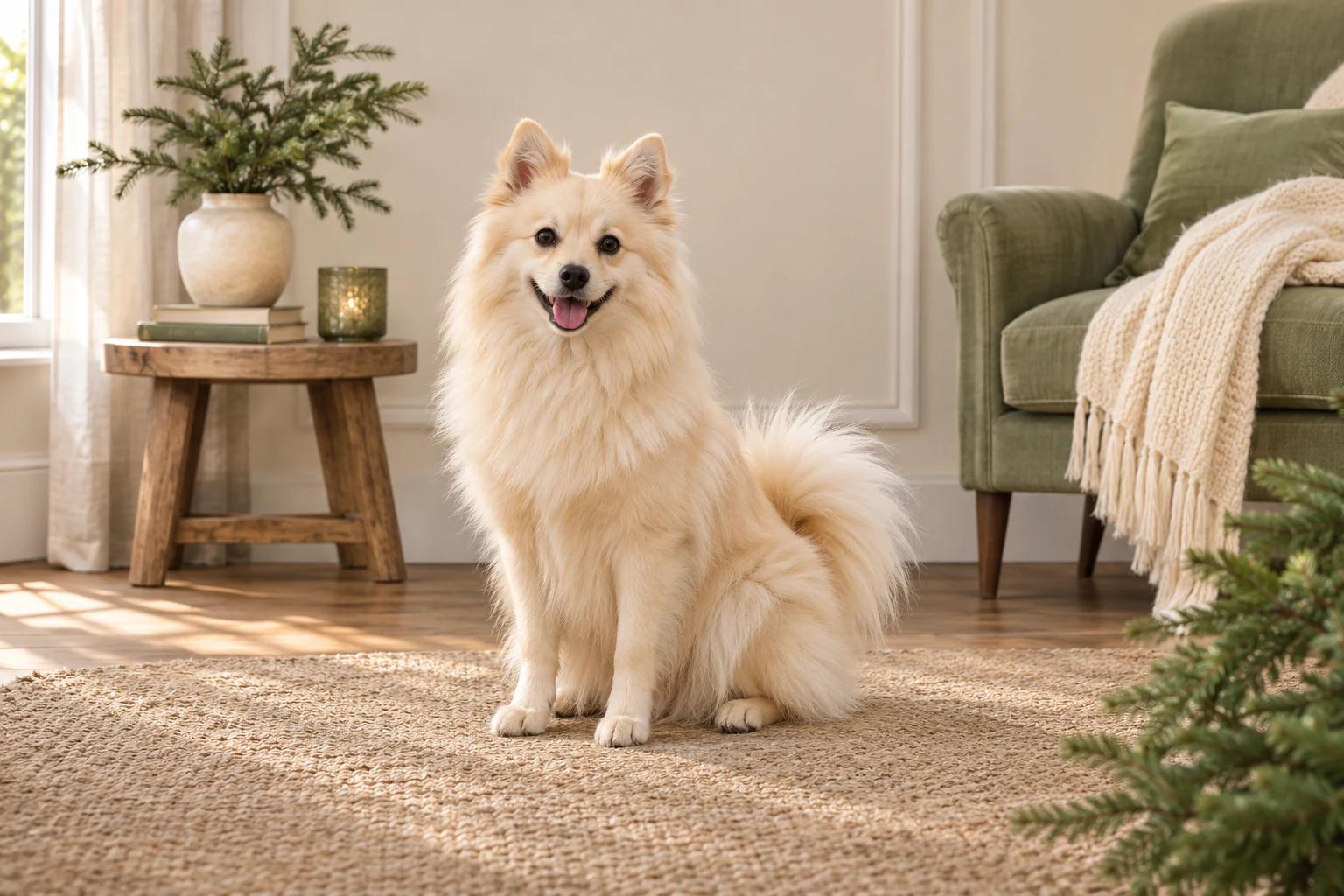
German spitz temperament combines attention, liveliness, and a strong interest in familiar people. That can be appealing if you enjoy a dog that participates in household life. It also means you should think about what the dog will notice, how visitors arrive, and whether everyone living nearby can tolerate normal canine communication.
The AKC German Spitz introduction emphasizes attentiveness and owner attachment. The UKC standard describes an active, alert breed. These are useful starting points, but the practical question is how those tendencies fit your home rather than whether the adjectives sound attractive.
German spitz temperament in an ordinary household
Picture the dog during events that happen every week: parcels arriving, a neighbor using the shared stairs, someone visiting for dinner, or a familiar person leaving for work. Your home is not only a floor plan. It is a collection of noises, movements, and expectations.
List the events that you cannot easily change. A communal corridor may stay busy. A home business may bring frequent visitors. Those realities should be part of your conversation with a breeder or current caregiver before you choose a German Spitz. Do not assume training will erase every mismatch between a vocal, observant dog and a very noise-sensitive setting.
Notice what attention looks like
German spitz personality descriptions often make attentiveness sound like uninterrupted concentration on the owner. In practice, the dog may be attending to the environment as well. Ask what the individual watches, which sounds attract it, and what happens after its attention has been caught.
During a visit, observe without staging a test. Does the dog return to its previous activity after noticing an arrival? Does the handler need to change the setting? How does the dog behave once the initial greeting is over? Those observations help you ask better questions than simply deciding whether the dog seemed excited.
Have a plan for the front door
A clear arrival routine benefits the people as much as the dog. Decide who handles the dog while another person admits a visitor. Avoid improvising a greeting with bags, an open door, and several adults calling different instructions at once.
Discuss a suitable alternative behavior with a reward-based trainer, such as moving to a familiar place away from the entrance. Practice the component skills when no visitor is waiting outside. The doorbell, the door moving, and a person entering are separate pieces of the situation; presenting everything together makes it harder to identify where the dog needs help.
German spitz behavior around visitors should not be reduced to a label such as protective or unfriendly. Ask about actual experiences. A dog that needs space before approaching is not giving you a reason to force contact. Let guests know the arrangement beforehand so nobody feels responsible for winning the dog over immediately.
Choose engagement you enjoy providing
The breed's active, interested character is more useful to consider than an arbitrary promise of daily entertainment. What do you genuinely like doing with a dog? Teaching small skills, exploring different permitted walking routes, and setting up straightforward problem-solving games are possible starting points to discuss with a trainer.
Make the activity understandable. If you introduce a food-search game, begin with an easy setup and suitable materials rather than hiding everything in inaccessible places. If you teach a new cue, decide on one action rather than accepting a different response each time. Your ability to explain the task matters more than how elaborate it looks.
A German Spitz does not need every waking moment filled with instruction. Include opportunities to stop interacting. For example, finishing a shared activity and quietly returning to your own work can be part of the routine you teach. Constantly initiating another game whenever the dog looks at you may create a pattern you did not intend to maintain.
Prepare for care as well as play
The fuller coat makes comfortable handling an important household skill. When meeting a dog, ask how brushing, equipment fitting, and professional appointments currently work. This is not a request to demonstrate difficult handling on the spot. You need an honest account of what is familiar and where support is needed.
German spitz characteristics should inform practical preparation, not become excuses. “That is just a Spitz” is not a complete answer to repeated difficulty with necessary care. Ask what has been tried, what helped, and whether a trainer or veterinarian has assessed the problem.
For a new puppy, introduce care gradually with professional guidance. For an adult, find out which cues and routines already work before replacing them with your preferred approach. Keeping a familiar successful arrangement can make the transition clearer for everyone.
Evaluate company and independence individually
An affectionate description does not tell you how a dog copes when its people leave. Ask the current caregiver what time alone has actually looked like, how they know, and whether the dog has lived in a home resembling yours. Distinguish a documented routine from a guess based on the dog's appearance during a short visit.
Plan any change in the dog's routine thoughtfully, with qualified help if needed. Do not schedule a major first separation simply to see what happens. If distress appears, seek advice rather than interpreting it as disobedience or assuming that a different toy will solve everything.
Similarly, ask about experience with other animals instead of inferring compatibility from a friendly greeting. Separate resting areas and managed introductions may be part of the plan. Your household's particular animals matter more than a general breed description.
Ask questions that reveal everyday fit
Useful questions include: What usually catches this dog's attention? What happens when guests arrive? Which activities does it choose with you? What care task is still being learned? What would you change about its current routine if you could?
The German Spitz profile provides broader context. If variety names are unclear, the existing guide to German Spitz labels addresses that separate issue. Use the breed quiz to reflect on your preferences, then check those preferences against the individual dog in front of you.
FAQ
Is a German Spitz a quiet companion?
Do not choose a German Spitz on the assumption that it will be silent. Consider environmental triggers, your neighbors, and the individual dog's known behavior before deciding whether your home is a good practical match.
Is the breed difficult to teach?
A responsive tendency can support learning, but clear cues and suitable practice still matter. Choose a trainer who helps you break real household situations into manageable lessons rather than relying on labels such as stubborn.
Will a German Spitz welcome every visitor?
No breed description can promise that response. Ask about the particular dog's history, give it room during introductions, and agree on an arrival routine that does not require immediate contact.
What matters most before choosing one?
Consider noise tolerance, shared activities, care handling, and the support available when routines change. Meet adults where possible and ask for ordinary examples rather than relying entirely on attractive personality adjectives.
Sources behind this article
Article source checked: November 15, 2026. Source checked 2026-11-15
Keep reading

Airedale Terrier Temperament: What Everyday Life Can Feel Like
Read article →