German spitz grooming: care beneath the outer coat
Build a German Spitz coat-care plan with useful grooming demonstrations, manageable sessions, shedding cleanup, and clear appointment goals.
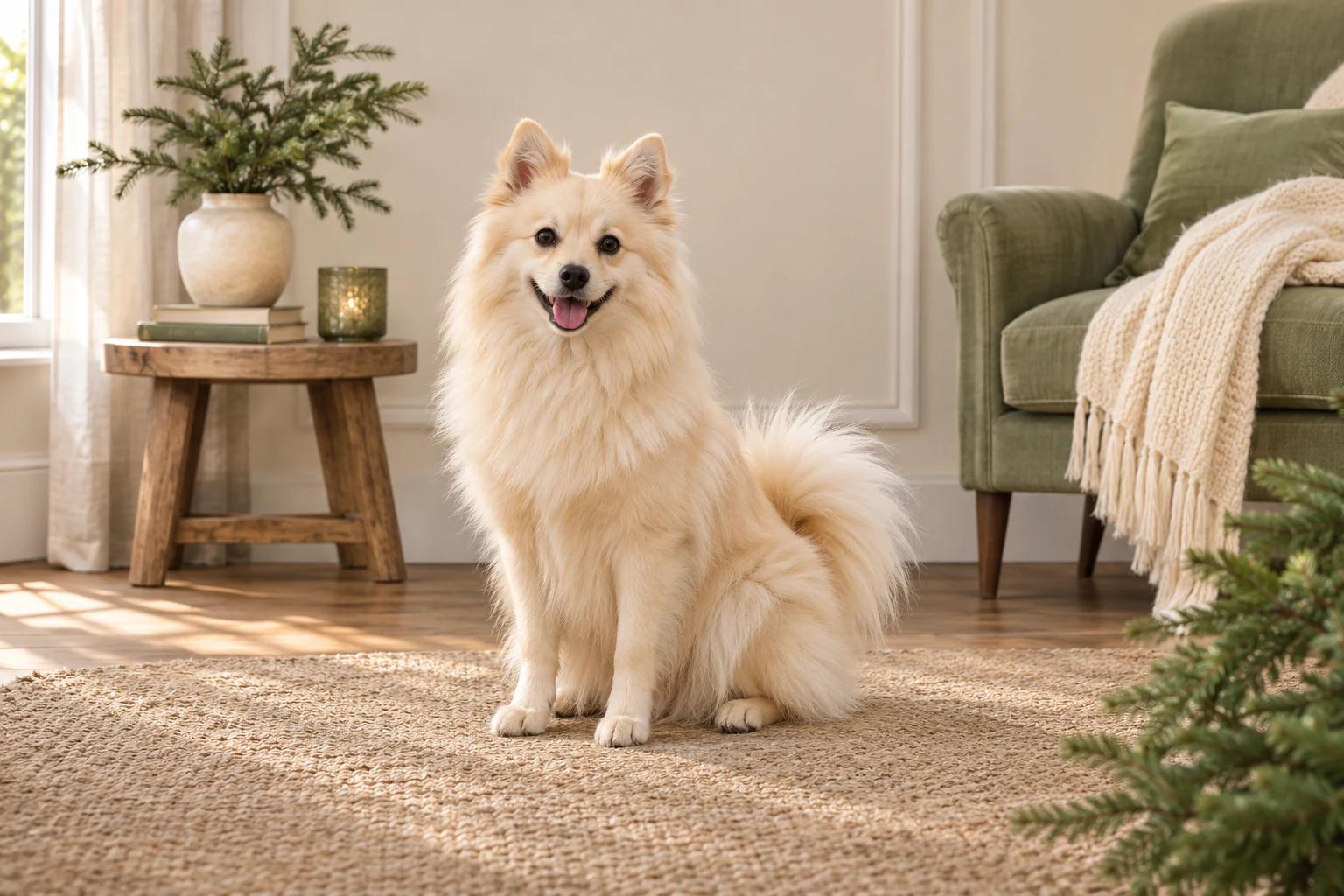
German spitz grooming begins beneath the impressive outline. A coat that looks tidy from across the room may still need careful attention within its layers. The aim is a comfortable, manageable natural coat, not a bigger silhouette or a dramatic haircut chosen from a photograph.
The UKC German Spitz standard describes a soft undercoat beneath a long, straight outer coat, with fuller hair around the neck and tail. That structure is the reason to learn a technique suited to this dog rather than borrowing the routine used on a smooth-coated breed.
German spitz grooming: learn what your brush reaches
Book a practical demonstration with a groomer familiar with this type of coat. Bring the tools you already own and ask the groomer to watch you use them. The helpful question is not simply whether a brush is suitable; it is whether your hand position, pressure, and section size let you work through the coat comfortably.
Ask how to tell the difference between an area that has been checked and one where the brush has only passed over the surface. Learn what resistance means and when to stop. Do not pull harder because a tool catches, and do not assume that a product will make every tangle appropriate for home removal.
Divide the work by area, not by a timer alone
A useful home note identifies what you completed. “Neck and shoulders checked; hindquarters next session” is more informative than “brushed for a while.” This helps if two people share care and prevents the most accessible patch from receiving all the attention.
You can keep the note brief. Draw a simple outline of the dog or use a short list of areas. Mark any location where handling was difficult so the groomer can help you adjust your approach. Do not keep working on an uncomfortable area simply to complete the drawing.
Build cooperation before a long session
VCA's grooming-habits guide recommends a gradual, positive introduction to care, with encouragement and rewards. Apply that idea to the part of grooming your dog currently finds unfamiliar rather than expecting patience to appear because the coat needs attention.
The first useful skill might be standing on a stable surface while a brush is picked up. Another dog may already accept brushing but struggle when a person reaches underneath. Describe the actual task to your trainer or groomer. A broad statement such as “will not be groomed” hides the parts that are already going well.
Choose your location carefully. If the dog must balance on slippery flooring or watch people repeatedly enter and leave, the session has extra complications unrelated to the brush. Prepare the setting before bringing the dog over. Never leave a dog unattended on a raised grooming surface.
Treat loose hair as a maintenance job
German spitz shedding belongs in the household budget of time and cleaning. Keep the coat routine and the furniture routine distinct: one is care for the dog, the other is cleanup of the home. Neither should become a reason to keep brushing after the dog has had enough.
Make cleaning convenient where hair actually collects. A washable resting-place cover, an accessible laundry container, and a tool suited to your flooring may simplify the practical work. Avoid purchasing several competing coat-removal tools before you have learned what the individual coat needs.
Keep track of changes rather than assuming every increase in loose hair is ordinary. If the coat or skin changes unexpectedly, or grooming becomes uncomfortable, seek veterinary advice. A shedding description is not a diagnosis and should not delay attention to something unusual.
Agree on the natural finish before booking
German spitz coat care is easiest to coordinate when you and the groomer share the same expectation. Say whether you are seeking routine companion maintenance, help with an accumulated problem, or preparation for a particular event. Those are different appointments and may require different time.
Bring a current photograph of your own dog rather than only an idealized image from social media. Explain what you want to preserve and ask what the groomer recommends after assessing the coat. Do not authorize an unspecified transformation because “tidy up” seems obvious to you; that phrase can mean different things to different people.
If a significant change is suggested, ask why it is needed, what alternatives exist, and what aftercare will involve. A coat problem, a medical need, and a style preference should not be merged into one explanation. For medical concerns, involve your veterinarian rather than asking the groomer to make a diagnosis.
Plan bathing and drying together
A bath is not complete when shampoo has been rinsed away. Before attempting one at home, discuss how you will manage the whole process, including drying and the dog's comfort with equipment. A fuller coat can make the logistics less obvious than they appear in a short demonstration video.
Ask your groomer to explain the products and equipment they use on your dog and which steps are realistic at home. Follow product directions. Do not introduce a high-powered dryer simply because another owner uses one, and do not persist if the dog is distressed by the sound or airflow.
VCA notes that bathing needs depend on the individual and advises veterinary discussion when frequency is uncertain. Use that as a prompt for a tailored plan rather than adopting a universal calendar. Write down what circumstances should prompt an extra appointment so you are not making the decision only after the coat is difficult to manage.
Keep the rest of routine care visible
When learning how to groom a German Spitz, the dramatic coat can overshadow nails, ears, and dental care. Ask the veterinary team for demonstrations appropriate to your dog. Keep these tasks on the same care record without assuming that every grooming appointment includes all of them.
Before leaving an appointment, ask what was completed and what should happen next. If the groomer found an area needing veterinary attention, record the location and observation accurately. A clear handover is more useful than a vague note that the dog needs extra care.
The German Spitz profile covers broader ownership needs. The existing variety-label article helps with names rather than grooming technique. If you are deciding whether this level of hands-on care suits you, include it in your answers to the breed quiz.
FAQ
Can I judge coat condition from its appearance?
Not reliably. A full outer outline does not show every area within the coat. Learn a hands-on checking method from an experienced groomer and note places that need professional attention.
Does a German Spitz need a styled haircut?
Start with a natural-coat maintenance discussion rather than assuming a haircut is required. Explain your goal, let the groomer assess the coat, and ask about the reasons for any proposed substantial change.
What if the brush catches?
Stop pulling and assess the area with appropriate help. A tight tangle or uncomfortable response is not an invitation to use greater force. Ask your groomer what can be managed at home.
How should two people share grooming?
Use a brief record of areas checked, tasks completed, and observations. This avoids duplicate work on easy areas while difficult areas are repeatedly missed, and gives a professional useful context at the next appointment.
Sources behind this article
Article source checked: November 15, 2026. Source checked 2026-11-15
Keep reading

Affenpinscher Grooming: A Practical Coat-Care Routine
Read article →