German shorthaired pointer vs german wirehaired pointer
Compare GSP and German Wirehaired Pointer coat care, activities, adult-dog observations, and questions that help you choose.
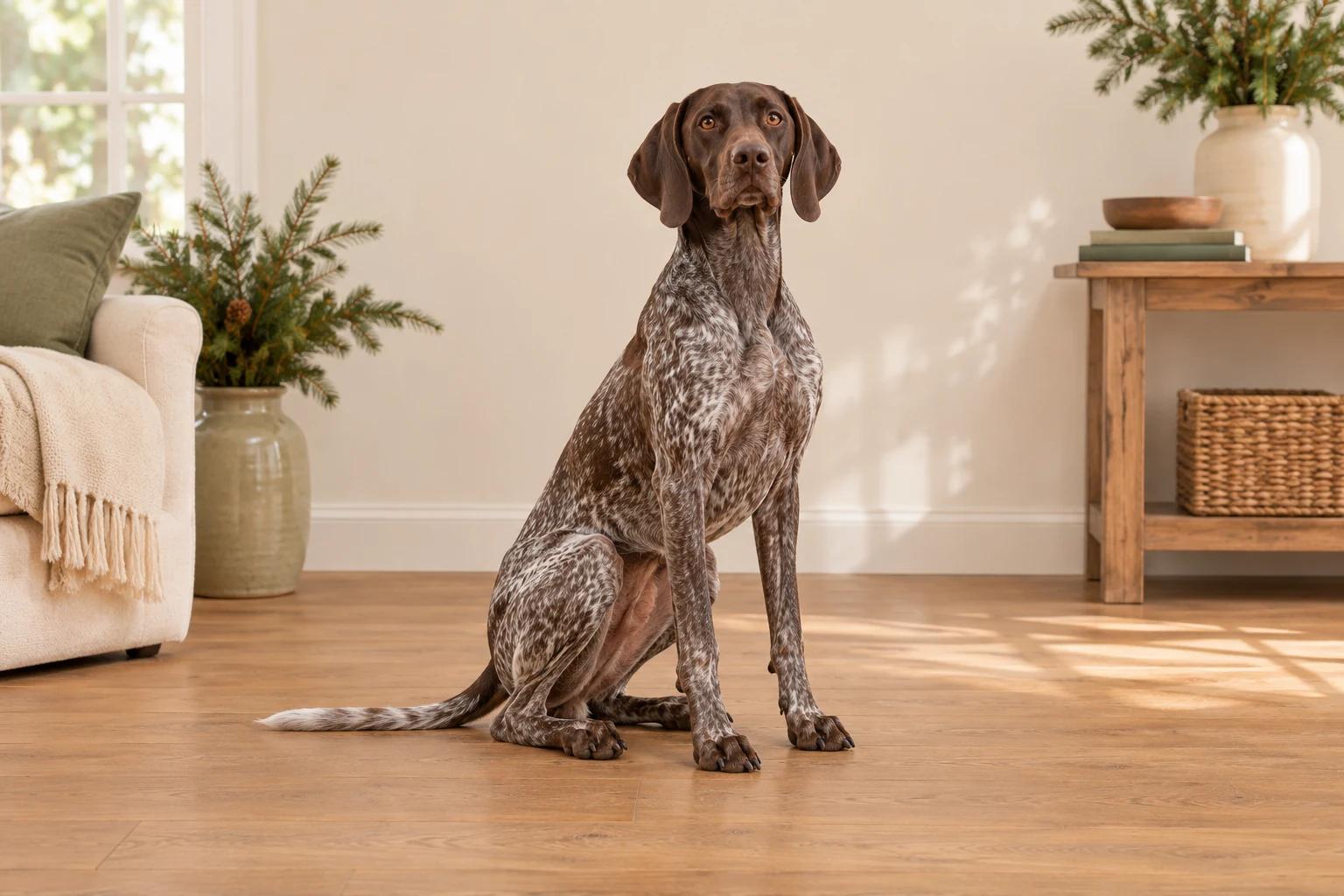
Explore the
German Shorthaired Pointer
Background, care, and everyday considerations.
View breed profile →German shorthaired pointer vs german wirehaired pointer is not simply a choice between a smooth face and a beard. Both deserve consideration as active hunting breeds, while their coats create different hands-on experiences. The useful comparison is what you will do with the individual dog, what you are prepared to maintain, and which expectations need checking before commitment.
The UKC Shorthaired Pointer standard describes a versatile worker with a short coat. Its Wirehaired Pointer standard describes a dense, harsh coat with facial furnishings. Those differences are concrete; a promise that one breed will be effortless is not.
German shorthaired pointer vs german wirehaired pointer
Start with the shared commitment. You are comparing dogs with working backgrounds, not choosing between an outdoor athlete and an ornamental companion. The AKC introduction to the GSP highlights exercise and positive training. Do not treat the Wirehair's different outline as evidence that it needs less involvement.
Read the German Shorthaired Pointer profile and German Wirehaired Pointer profile side by side. Then close the photographs and describe the life you are offering. What activities do you want to share? What handling skills do you already have? Which obligations would remain manageable when an outing ends with a wet dog and muddy equipment?
Compare priorities rather than collecting breed adjectives
Write down three non-negotiable requirements and three preferences. A requirement might be that every caregiver can manage the dog on an attached walk. A preference might be enjoying a particular coat texture. Do not let the preference quietly replace the requirement because one puppy has an appealing expression.
Discuss these points with the breeder or current caregiver using examples. “I need to use a shared entrance several times a day” gives them something practical to consider. “I want an easy dog” does not explain whether you mean grooming, greetings, training, or time alone.
Coat care is the clearest everyday distinction
The difference between german shorthaired pointer and german wirehaired pointer is easiest to see in their coats, but touch and maintenance matter as much as photographs. With the GSP, examine what routine smooth-coat care involves. With the Wirehair, ask an experienced groomer to show how the body coat and facial hair are maintained on that particular dog.
The Wirehair has a close undercoat beneath a harsh outer coat; its beard and eyebrows are distinct from the shorter hair on its head and ears. That is a different coat map from the GSP's smooth outline. Ask the groomer to demonstrate the body and face separately, rather than treating every area with the same tool. A finished photograph cannot show those handling details.
Consider your own tolerance for small recurring chores. Would you happily keep a towel near the water area and attend to facial hair as needed? Would short hairs on fabric bother you more than checking a textured coat? Neither answer makes you a better owner. It helps identify which routine you are more likely to keep doing without resentment.
Meet adult dogs in more than one moment
A meeting at the height of excitement can dominate your impression. Ask to see ordinary transitions as well: getting ready to leave, returning from an activity, waiting while people talk, and responding when the handler changes direction. Arrange this with the caregiver rather than deliberately provoking a reaction.
Record observations in plain language. “Returned to the handler after looking toward the fence” is more useful than “very obedient.” “Stayed beside the owner while I stood nearby” tells you something different from “friendly.” These notes help you compare actual behavior rather than your interpretation of a breed label.
An adult dog with known experience may answer some practical questions more directly than a puppy can. Ask how the dog has lived, what it has practiced, and which situations remain difficult. A puppy's future routine cannot be demonstrated in advance, even when its relatives provide useful context.
Keep activity plans separate from competition ambitions
When weighing german shorthaired pointer or german wirehaired pointer, decide whether hunting, a particular sport, or active companionship is your real goal. Do not present a demanding sport plan merely because you think it sounds like the correct answer. Your honest intentions are more useful to the people helping you choose.
For a hunting home, discuss the actual work, terrain, and training support with knowledgeable breeders and instructors. For a companion home, explain the activities you intend to offer without making claims that they are identical substitutes for working experience. In either case, choose suitable activity with veterinary guidance for the dog's age and condition.
The existing GSP weekday exercise article can help examine whether ordinary-day logistics match your intentions. Use that as a planning aid, not as a fixed exercise prescription for either breed.
Ask about the dog, not a breed rivalry
German wirehaired pointer vs german shorthaired pointer comparisons sometimes invite a winner for intelligence, loyalty, or toughness. Those rankings do little to help you choose a compatible companion. Ask instead which behaviors the dog has learned and which arrangements have supported it successfully.
Ask a breeder what differences they see within their own dogs. Which adult is comfortable with the sort of home you describe? Which needs a more experienced handler? What would make them advise you to wait or choose differently? A useful conversation includes limits, not only attractive descriptions.
Keep health discussions individual too. Request relevant records and discuss their meaning with your veterinarian. Coat, color, titles, and a confident sales description cannot establish a health outcome. The same applies to compatibility with other household animals: get specific history and a considered introduction plan rather than a breed-wide assurance.
Make the final decision with evidence you can explain
After visits, compare the notes against your original requirements. If you changed a requirement, identify why. Meeting a dog may reveal a workable solution, but attraction alone is not a solution to an unresolved care problem.
The breed quiz can organize broader preferences, while meetings and detailed conversations supply information about the actual candidates. Choose the dog whose known needs and support arrangements fit the home you can provide, even if that means waiting rather than selecting either breed immediately.
FAQ
Is one breed automatically easier to own?
No. The relevant difficulty depends on the individual dog and the owner's experience, activities, and care preferences. Compare concrete tasks instead of assigning one overall ease score.
Is grooming the only difference that matters?
Coat care is a visible distinction, but an individual dog's training history, behavior, and intended activities matter greatly. Meet adults and ask about ordinary handling before making the choice primarily on appearance.
Can a non-hunting home consider either breed?
Discuss your actual activity and training plans with experienced breeders or caregivers. Be candid about what you can offer, and assess the individual rather than assuming either a guaranteed fit or an automatic mismatch.
Should I choose a puppy or an adult?
An adult may offer a clearer record of everyday behavior and care needs. A puppy requires more uncertainty and foundation teaching. The better choice depends on your capacity and the information available about the particular dog.
Sources behind this article
- UKC: German Shorthaired Pointer standard ↗
- UKC: German Wirehaired Pointer standard ↗
- AKC: German Shorthaired Pointer ↗
Article source checked: November 15, 2026. Source checked 2026-11-15
Keep reading

Affenpinscher vs Brussels Griffon: Everyday Differences
Read article →