German shepherd dog grooming: organize coat care
Plan German Shepherd coat checks, grooming equipment, shedding cleanup, baths, and useful questions for a groomer.
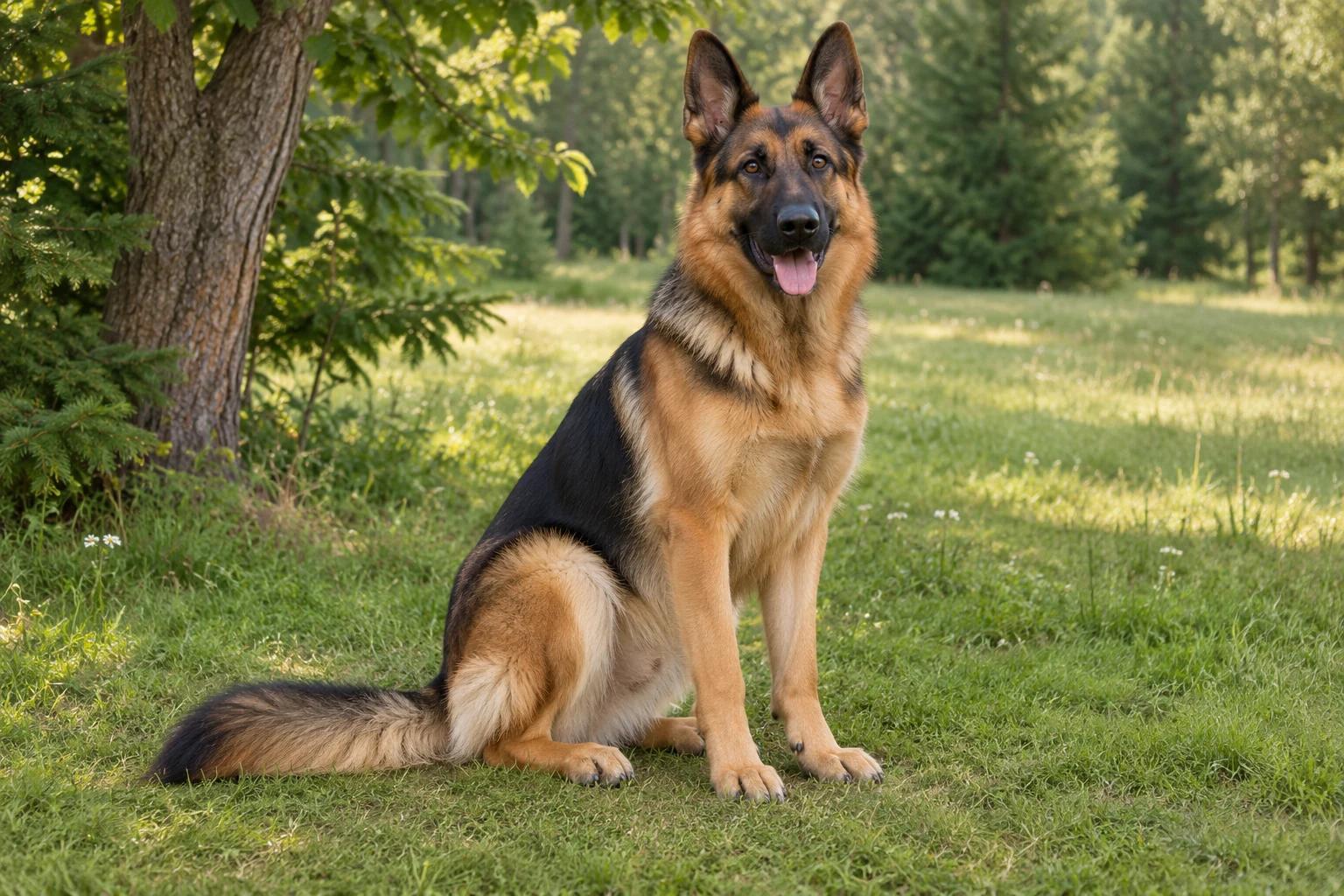
German shepherd dog grooming is easiest to organize when you separate three jobs: examining the coat, carrying out appropriate care, and cleaning up the loose hair. A pile of grooming tools does not establish a routine, and a tidy-looking surface does not tell you everything underneath. Begin with the individual coat and a demonstration from someone who knows how to handle it comfortably.
German shepherd dog grooming starts with the layers
The UKC breed standard describes a dense outer coat and finer undercoat, with longer hair around areas such as the neck and backs of the legs. It also recognizes coat variation. Those details explain why a quick pass over the back may not represent attention to the whole dog.
For german shepherd dog coat care, ask a groomer to identify the coat you have and demonstrate suitable tools. Bring the dog when arranging a fitting or demonstration where possible, rather than choosing equipment solely from a breed photograph. Tool design, coat condition, and technique all belong in the conversation.
Write down the tool's purpose, not merely its name. Which one is for an ordinary check? How should it be held? What resistance means you should stop? If you cannot explain what a tool is meant to do, do not experiment more forcefully until something comes out.
Prepare a station you can actually use
Choose a place with enough space for the dog and handler, a stable nonslip surface, and useful light. Avoid positioning the dog where a passing person must squeeze between you. Keep equipment close enough that you do not have to leave midway to search for it.
A practical kit might include the tools your groomer recommends, towels, a washable floor covering, and somewhere to place collected hair. Keep care products labeled and stored away when not in use. Separate the dog's equipment from household cleaning chemicals so there is no confusion during a rushed cleanup.
Consider your own posture as well. If the only available setup requires uncomfortable bending throughout, ask a professional about a better arrangement. Do not improvise an elevated surface that is unstable or unsuitable for the dog's size. The goal is a repeatable setup, not a salon photograph.
Follow a route rather than chasing the biggest tuft
Ask for a demonstrated sequence that covers the individual dog's coat without repeatedly working one area. You can record that sequence as a simple map: one side, the other side, and the areas the groomer tells you need particular attention. Mark anything you have not yet learned to handle confidently.
VCA's grooming guide advises gentle tool use, checking for trapped debris, and professional help with extensive tangles. Do not pull hard at resistance or cut into a mat with scissors. If the skin appears irritated or the dog seems painful, consult a veterinarian.
This is a useful distinction when learning how to groom a german shepherd dog: finding something is not the same as being equipped to resolve it. A careful owner can notice an unfamiliar patch, pause, and ask for help. Finishing every area in one sitting is not more important than recognizing the limits of your technique.
Make shedding a household logistics problem
German shepherd dog shedding should be part of the ownership plan rather than an occasional surprise. VCA describes seasonal undercoat loss in breeds including German Shepherds. Your own dog's pattern will become clearer through observation, and a change that concerns you should be discussed with a veterinarian rather than automatically attributed to the season.
Separate coat care from cleaning. Keep washable covers where the dog rests and choose a place to collect hair during grooming. Decide who handles bedding and floor cleanup, particularly when more loose hair appears. Otherwise, the person brushing the dog may assume the job is complete while someone else inherits the rest without warning.
A small calendar note can help you remember when the routine changed and what you observed. Do not turn the amount of collected hair into a target. The point is to understand the workload and notice changes, not to remove as much as possible during every session.
Plan a bath before turning on the water
Before a bath, ask your groomer to resolve any tangles you cannot manage. Follow the instructions on dog-specific products and obtain individualized advice about frequency.
Before starting, think through access, footing, towels, rinsing, and drying. Can the dog enter and leave the space in an appropriate way? Can you reach what you need without stepping away? If the setup is awkward for a large dog, a professional appointment may be the more practical choice.
Ask specifically how to dry this coat and which equipment or methods are appropriate for your experience. Do not assume the visible outer hair tells you whether the task is finished. Avoid inventing a home method from a short video when a groomer can demonstrate the process and answer questions about your dog.
Use appointments to improve home care
Bring specific observations to a grooming appointment. Mention areas that were difficult, the tools you used, and any handling concern. Ask the groomer to distinguish what you can maintain at home from work best left to a professional.
For nails, ears, and dental care, obtain appropriate instruction from your veterinary team or groomer rather than treating this coat routine as a complete care manual. A sudden reluctance to be touched, an unusual odor, or a visible change warrants veterinary advice. Grooming notes can help describe when you first noticed it without attempting a diagnosis.
The German Shepherd Dog profile places care alongside the wider ownership commitment. The existing shared-hobby article covers activities rather than coat maintenance; when planning those outings, remember to leave room afterward for whatever cleanup the day requires. The breed quiz can help prospective owners consider that practical workload before choosing a dog.
FAQ
What is the best brush for a German Shepherd?
Bring your current tools to a grooming appointment. Ask which suit the dog’s coat and request a demonstration before adding more equipment.
Can grooming eliminate shedding?
Do not plan on eliminating loose hair. Organize appropriate coat care alongside washable bedding and household cleanup. Ask your veterinarian about changes that seem unusual for the individual, especially when accompanied by skin changes or discomfort.
Should I finish a difficult tangle myself?
Ask a groomer for help with difficult tangles; pain or irritated skin needs veterinary advice. Never cut mats with scissors.
Sources behind this article
Article source checked: November 15, 2026. Source checked 2026-11-15
Keep reading

Affenpinscher Grooming: A Practical Coat-Care Routine
Read article →