German shepherd vs rottweiler: a practical home comparison
Compare German Shepherds and Rottweilers through transport, grooming, handling, visitor access, and individual routines.
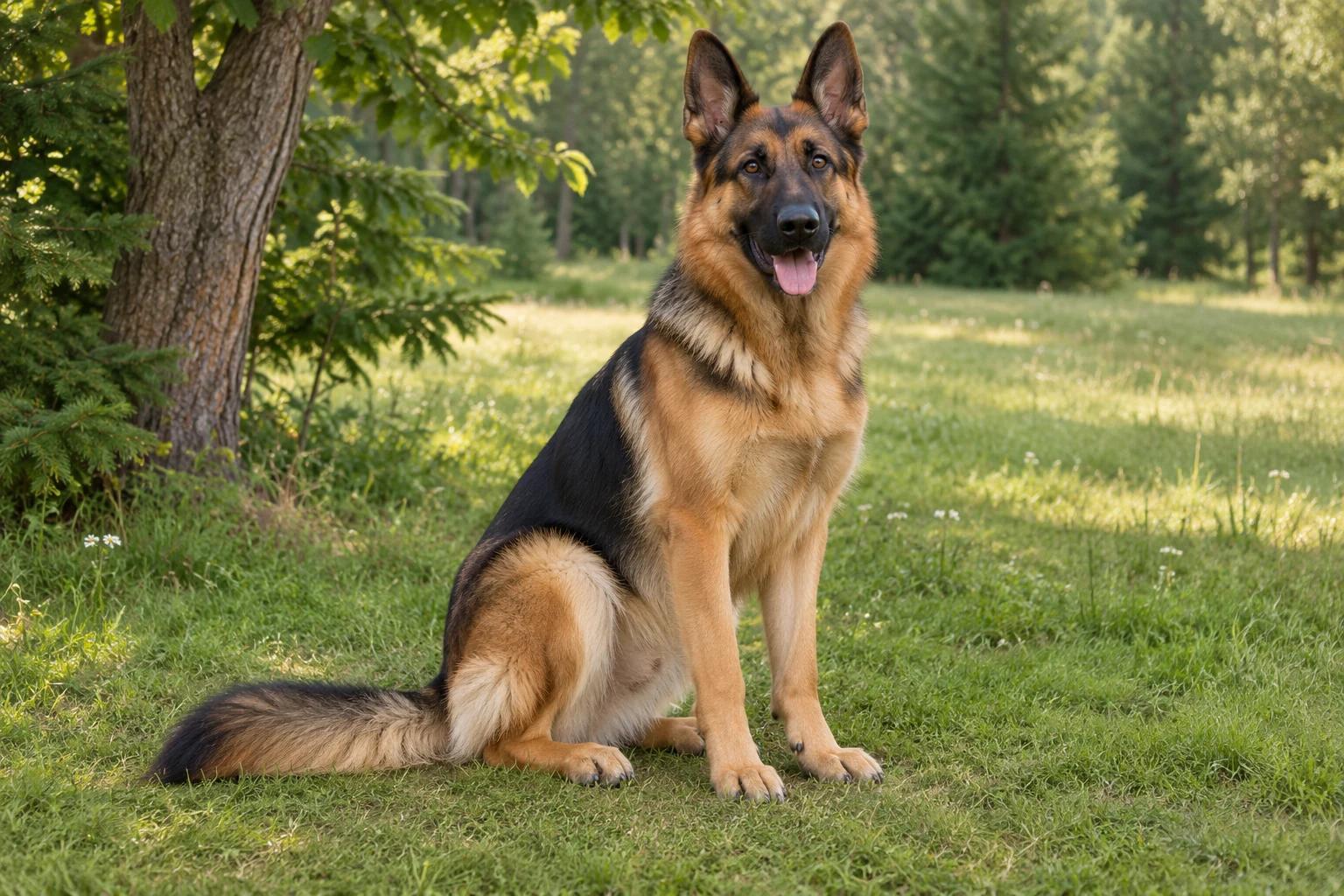
German shepherd vs rottweiler is more useful as a household decision than as a contest between two familiar working-dog images. Look past dramatic photographs and ask what you can manage on a wet weekday, during a care appointment, or when your usual helper is unavailable. Both deserve an individual assessment rather than a role assigned from reputation.
German shepherd vs rottweiler: compare the dog, not the image
The UKC German Shepherd Dog standard describes a muscular dog with a body somewhat longer than its height. The UKC Rottweiler standard emphasizes a powerful build. Both standards describe dogs longer than tall, so that proportion alone does not distinguish them.
Use the German Shepherd Dog profile and Rottweiler profile as starting references. Their UKC height ranges overlap: Shepherd males are 24–26 inches and females 22–24; Rottweiler males are 24–27 and females 22–25. Height alone therefore misses differences in build. Gather the same practical information about each candidate: current measurements, daily routine, experience with handling, and known challenges. An adult's documented habits may answer questions that a puppy's appearance cannot.
Do not try to resolve the choice with a strength ranking or an imagined confrontation. Neither tells you how a dog will travel in your car, respond to your teaching, or rest while you work. Those are the decisions that will shape everyday life.
Audit the jobs that require physical planning
Start with transport. Check the vehicle opening and usable space, not just whether the dog could stand beside the car. Choose equipment according to the actual dog's measurements and the manufacturer's installation requirements. Ask how the dog currently enters and exits, and seek appropriate advice if assistance is needed.
Next, consider care. Where can the dog stand comfortably while you attend to it? Can you reach around the resting area without stepping over it? Who can accompany the dog to an appointment if you cannot? Large-dog ownership includes these ordinary arrangements, not merely a long enough walking route.
Finally, inspect shared spaces. A narrow entrance or communal corridor requires a workable passing plan. Do not assume a dog will automatically make room because it is described as trainable. Ask about the cues and routines already in use and decide how your household will continue teaching them.
Coat differences change tasks, not responsibilities
One visible difference between german shepherd and rottweiler is the coat outline. The German Shepherd may have more conspicuous furnishings, while the Rottweiler's outline is closer. UKC describes undercoat in both breeds. That is enough to reject the idea that a less fluffy photograph means no coat-care commitment.
Ask owners or carers to show ordinary maintenance rather than telling you which breed is easier. What tools are used? Which areas require particular attention? How is the dog accustomed to being handled? What household cleaning accompanies the routine?
If you already know you will rely on professional grooming, ask about the individual's experience with appointments and transport. If you intend to do more at home, obtain a demonstration. Choose a routine you will sustain rather than assuming enthusiasm at the start will replace practical preparation later.
Replace the protection question with an access plan
A rottweiler vs german shepherd comparison often centers on guarding. For a companion household, a better question is who controls access and how visitors are managed. You should not depend on the dog to decide which stranger belongs in your home.
Describe your real visitors to the breeder or rescue. Do tradespeople come through the house? Is there a shared entrance? Do guests arrive while you are out? Ask about the dog's known experience and what management is currently used. Do not turn a visit into an unplanned test of its reaction.
If there is a concerning behavior history, seek qualified assessment before assuming your layout solves it. Secure arrangements and reward-based teaching can be part of a professional plan, but a breed comparison is not an individualized behavior consultation. Sudden changes or suspected discomfort should be discussed with a veterinarian.
Compare the work you enjoy doing
Choosing a german shepherd or rottweiler should include your own interests without prescribing a job to the dog. Do you enjoy teaching small practical skills? Can you follow a consistent plan with other household members? Are you willing to seek help when progress is less straightforward than expected?
Do not choose from exercise-hour claims alone. Ask what the individual currently does, what it enjoys, and what changes would be appropriate. A veterinarian can advise on exercise suitability, while a qualified trainer can help with skill development. A breed's working history does not specify a universal running distance or activity schedule.
If organized activities interest you, the existing German Shepherd shared-hobby guide explains how to investigate a suitable starting point. Keep that optional ambition separate from the essential plan for ordinary outings, care, company, and rest.
Put uncertainty on paper
Create two columns for each candidate: known and still to ask. Under known, record only information you have actually obtained. A friendly meeting does not establish how a dog handles time alone. An attractive pedigree description does not describe its response to your building's elevator.
Under still to ask, include records you want to review with your veterinarian, placement support, and practical history. If information is unavailable, leave the gap visible. You can then decide whether additional assessment or a different candidate is necessary rather than quietly filling the space with a stereotype.
Compare the changes required of you, too. Perhaps one dog needs a transport arrangement you cannot currently provide, while another has a routine that aligns with your workday. These are meaningful distinctions even when they do not match a general online ranking.
Decide with your least convenient week in mind
Imagine a week with bad weather, a late meeting, and your usual helper away. Identify the person or service that will cover each essential task. Confirm that the arrangement is realistic for the individual dog, not just available in theory.
A convincing choice is one you can explain without superlatives: this dog has a known routine we can support, our equipment fits, and we have appropriate help. Use the breed quiz to organize preferences, then let those concrete arrangements carry more weight than the desire to name a universal winner.
FAQ
Which breed is easier for a new owner?
Neither name supplies that answer. Assess the individual's experience, your practical setup, and the quality of available support. A realistic plan matters more than a general beginner ranking or an impressive description of intelligence.
Does a Rottweiler need less grooming than a German Shepherd?
The coat outlines differ, but both require care and household cleanup. Ask to see maintenance for the actual dogs you are considering. Coat condition, handling experience, and your setup affect how manageable the routine will be.
Should I choose either breed for protection?
Choose a companion whose needs you can meet, not a promise of protective behavior. Plan visitor access and everyday management yourself. If specific behavior concerns exist, consult an appropriately qualified professional rather than relying on reputation.
Sources behind this article
Article source checked: November 15, 2026. Source checked 2026-11-15
Keep reading

Affenpinscher vs Brussels Griffon: Everyday Differences
Read article →