German pinscher vs doberman pinscher: home fit
Compare German Pinschers and Dobermans through physical scale, training, visitor routines, transport, and individual needs.
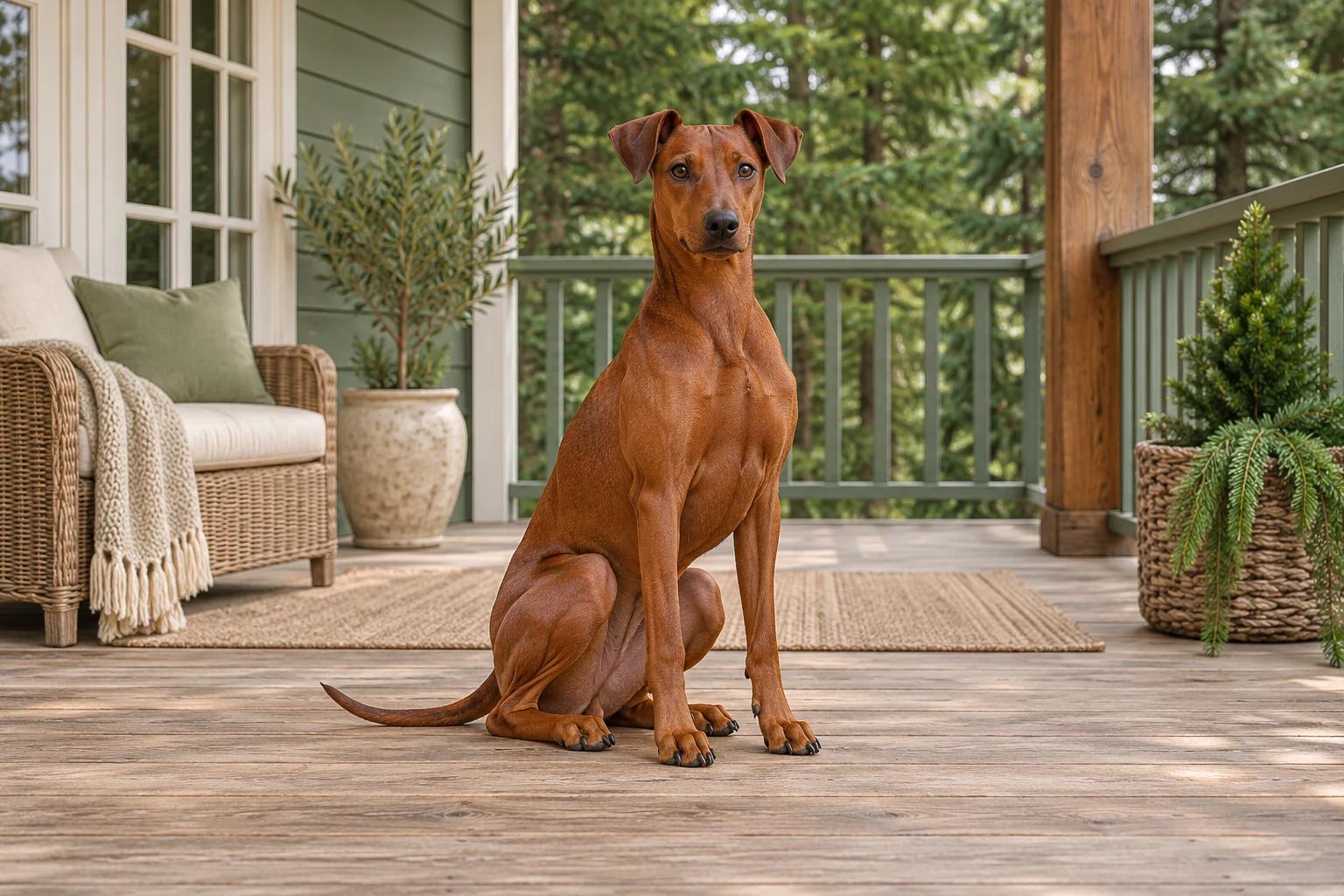
German pinscher vs doberman pinscher is a comparison where similar names and sleek outlines can hide a significant practical difference. The German Pinscher has a smaller adult footprint; the Doberman generally requires more physical space. Neither label tells you how easy a particular dog will be to live with. Compare real handling, household routines, and support needs before deciding which outline you prefer.
German pinscher vs doberman pinscher: start with scale
The UKC German Pinscher standard describes a medium, muscular, approximately square dog. The UKC Doberman standard also describes a square, smoothly muscled outline, but the breeds should not be treated as interchangeable sizes of one dog.
The German Pinscher profile lists 17–20 inches at the shoulder. The Doberman Pinscher profile lists 26–28 inches for males and 24–26 inches for females. The UKC standards agree with these height ranges. Use those references for initial planning, then measure the individual for equipment. A crate, harness, or car restraint needs to fit the actual dog and its intended use, not simply the photograph on the product listing.
Arrange to meet adults standing beside their handlers, not only in separate portrait photographs. Then compare your intended travel setup with the dog present. Can the handler reach the restraint attachment comfortably? Is there room to manage the lead before opening a vehicle door? The difference in scale becomes clearer when you picture the same task with each dog.
A smaller dog is not necessarily a smaller commitment
The difference between german pinscher and doberman pinscher that matters most may be your ability to manage an individual, not the quantity of floor space it occupies. UKC describes the German Pinscher as lively and watchful; its Doberman reference emphasizes energy and regular training. Neither is presented as a passive household accessory.
Write down the commitment separately from size. Who handles outings? Who enjoys teaching everyday skills? How will a dog be cared for during work, travel, or illness? Answer those questions for each candidate rather than automatically awarding the smaller breed a lower-maintenance label.
You may discover that a particular adult's established routine is a closer fit than a puppy of the breed you first preferred. That is a useful result. Known experience, practical support, and an honest account of challenges can matter more than a broad comparison chart.
Think through a visitor arriving
Consider a normal scene: the doorbell rings while you are cooking. Where is the dog? Who answers? What is your alternative arrangement if the dog cannot comfortably participate in the greeting? This is a useful planning exercise for either breed without assuming every individual reacts the same way.
Ask the current carer how visitors are handled and request examples rather than assurances. A dog might be familiar with regular guests but not delivery workers entering a building corridor. Another might have little experience of your intended home environment. Describe your circumstances so the placement conversation can be specific.
Do not choose a dog on the promise that it will provide protection. A household needs predictable management and clear communication, not an untested expectation about how an animal should respond to a stranger. Concerning behavior warrants qualified assessment, not encouragement based on a breed reputation.
Compare training as something you will do
A doberman pinscher vs german pinscher comparison should include the human side of learning, not just a ranking of canine intelligence. Instead, ask what teaching you enjoy. Are you willing to practice comfortable handling, a controlled departure, and attention in manageable settings? Will everyone use the same cues?
A reward-based trainer can help you adapt goals to the individual. Before choosing a class, explain the dog's age, experience, and any concerns. Ask how the instructor handles a dog that needs more space or a quieter setup. A crowded environment is not automatically the best starting point merely because it offers many distractions.
Physical management should remain appropriate while training develops. Do not use an adult size comparison as an excuse to skip lead skills with the German Pinscher or as proof that a Doberman is beyond your capability. Evaluate the actual arrangement and the people who will use it.
Short coats still belong to real dogs
Both breeds have short coats, but that does not remove handling and cleaning from the ownership plan. Ask to see the individual's routine, the tools used, and how care appointments are organized. Look beyond a photograph taken after grooming.
If appearance is part of your interest, keep it separate from assumptions about temperament. Ear or tail presentation in a photograph does not tell you how the dog behaves. The existing German Pinscher color-history article also illustrates why appearance needs context rather than quick conclusions.
Make practical room for care: a nonslip place to stand, accessible equipment, washable bedding, and a way to transport the dog when an appointment is needed. Discuss skin changes, discomfort, or other health concerns with a veterinarian rather than trying to explain them through coat type alone.
Ask the same questions, then compare the answers
When considering a german pinscher or doberman pinscher, bring the same core questions to both conversations. What is the individual's current weekday routine? What happens during time alone? Which situations are difficult? What support is available after placement? Which records can you review with your veterinarian?
Keep the responses separate. A particularly reassuring conversation with one breeder is information about that placement, not evidence that every dog of that breed is easier. Similarly, one difficult meeting should not become a universal claim about the other breed.
List the changes each candidate would require from your household. Divide them into changes you can make now, changes needing outside help, and changes you cannot reliably sustain. If a necessary arrangement belongs in the last category, pause the decision. The breed quiz can help organize your preferences, but the final choice should rest on a realistic match with an individual dog.
FAQ
Is a German Pinscher a miniature Doberman?
No. They are distinct breeds. Similar names and some visual similarities do not make one a scaled version of the other. Research each breed and assess the individual dog's background and needs separately.
Which breed needs less training?
Neither breed should be chosen as a way to avoid teaching. The useful comparison is what the particular dog already knows, which skills your home requires, and what professional and household support you can provide.
Does the Doberman always need a bigger home?
The Doberman generally has a larger physical footprint, but room count alone does not establish suitability. Transport, resting space, outside access, daily care, and the individual dog's routine all belong in the decision.
Sources behind this article
Article source checked: November 15, 2026. Source checked 2026-11-15
Keep reading

Affenpinscher vs Brussels Griffon: Everyday Differences
Read article →