Finnish Spitz exercise needs: building a workable day
Plan Finnish Spitz exercise with purposeful walks, mental activities, rest, and realistic weekday arrangements tailored to the individual dog.
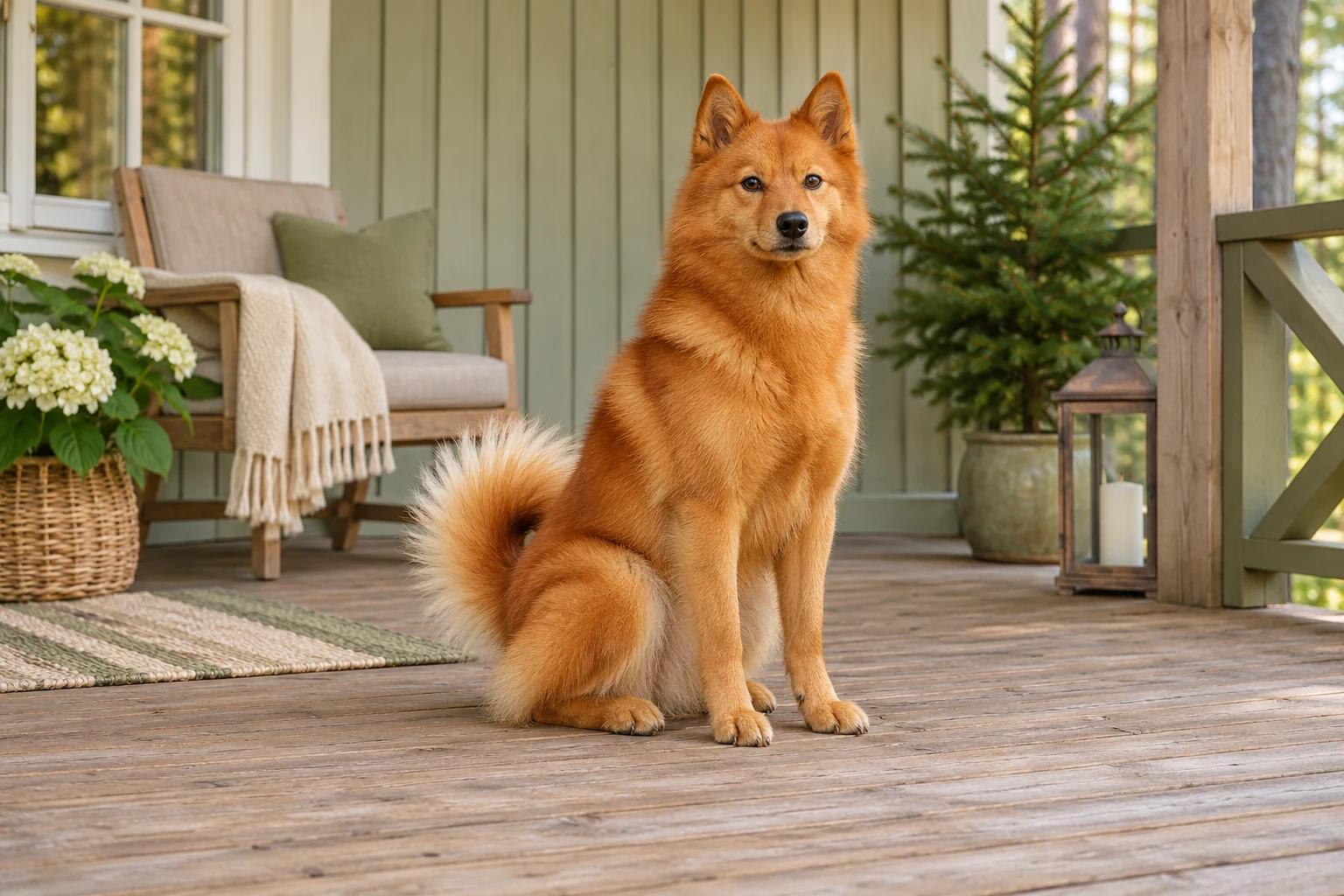
Finnish Spitz exercise needs are substantial, but a useful plan is more than a target on a stopwatch. This active dog needs opportunities to move, investigate, and engage with a person, followed by time to settle. An owner should be prepared for that pattern on ordinary weekdays, not only during occasional countryside trips.
The Finnish Spitz profile gives activity its highest reference rating and places mental engagement high as well. Use that as a serious scheduling consideration, then adapt the actual work to the dog's age, condition, experience, and environment.
Finnish Spitz exercise needs: plan a day, not a number
“How much exercise does a Finnish Spitz need?” sounds as though it should have a single answer in minutes. In practice, a slow outing with frequent investigation, a brisk familiar walk, and a demanding new activity are not interchangeable. A fixed number can hide those differences and encourage owners to chase a quota rather than observe the dog.
The Canadian Kennel Club's breed guide emphasizes liveliness and daily outdoor exercise. The Finnish Kennel Club likewise describes an energetic, attentive dog and connects companion life with exercise and attention. Neither description provides an individual prescription for your dog.
Begin by asking the current caregiver for an actual recent week. Record the outings, games, quiet periods, and anything unusual. That gives you a practical baseline to discuss with your veterinarian, especially before introducing sustained running, strenuous activities, or a major change from the dog's previous routine.
Design the weekday before the weekend
A Finnish Spitz daily walk should have a realistic place in the schedule. Write down the time you can leave the house without rushing, the route available, and who is responsible. Include the time needed to prepare equipment and settle back indoors; the walk is not the only part of the commitment.
For example, your morning outing might focus on a familiar route with opportunities to investigate, while a later outing offers a different environment. A short learning game can sit elsewhere in the day. This is an example of variety, not a universal timetable or a recommendation for a particular duration.
If workdays vary, prepare two versions: the normal day and the disrupted day. The second needs a real helper or alternative arrangement, not just a promise to do more tomorrow. An active breed is easier to plan for when the backup exists before the meeting overruns.
Give the walk more than one purpose
It is tempting to measure a walk only by distance. Instead, decide what you want the outing to provide. One section may be straightforward travel, another a chance to investigate, and another a brief opportunity to practice attention in a manageable setting.
Choose routes where you can vary distance from distractions. A narrow path beside heavy traffic gives fewer options than a wider area with places to step aside. Before trying a new route, check access rules and whether you can turn back easily. Your ability to adjust matters more than the route's attractiveness in a photograph.
Keep wildlife encounters incidental rather than making pursuit the activity. Use suitable secure equipment and do not assume a familiar recall will override every outdoor interest. The breed's separate working-history article explains its historical role; your companion's exercise plan does not need to recreate it.
Add a small mental task without making every day complicated
The Finnish Spitz activity level includes a need for engagement, not simply speed. Choose a few manageable tasks that you can rotate. You might teach a hand target in a quiet space, hide a familiar toy in an easy-to-search room, or practice moving onto a mat before an outing.
Keep the task clear enough that you can tell whether the dog understands it. If a search becomes frustrating, make the object easier to find. If a training game falls apart near distractions, move somewhere simpler. Increasing difficulty is not the only way to make an activity worthwhile.
You do not need a new puzzle every day. Repeating a familiar game in a slightly different arrangement can be easier to organize than constantly buying equipment. Supervise activities involving objects, choose materials appropriate to the individual dog, and remove anything the dog begins to damage or swallow.
Match intensity to the individual
A puppy, an adult accustomed to regular activity, and an older dog returning after a quiet period should not receive the same plan merely because they share a breed name. Ask your veterinarian about appropriate exercise when growth, health, or a change in capacity is involved.
Avoid turning visible enthusiasm into evidence that any distance is suitable. Some dogs remain interested in an outing even when the plan needs adjusting. Pay attention to changes in movement or willingness, and seek veterinary advice if something is unusual. An exercise article cannot determine the cause of a change.
Weather and terrain also change the task. Plan access to water, opportunities to stop, and a route back. A shaded familiar circuit and a remote exposed trail are different commitments even if a tracking app records the same distance. Postponing an ambitious outing can be the sensible choice when conditions are unsuitable.
Teach the return home as part of the routine
The end of an outing should not immediately become a demand for another game. Decide where equipment goes, where the dog can drink, and where it can rest. A repeatable arrival routine makes the transition easier to recognize.
If the dog remains restless, look at the whole day rather than automatically adding more intense exercise. Consider whether the outing was unusually exciting, whether the dog had chances to settle, and whether a particular trigger is keeping it engaged. Persistent difficulty calls for individualized professional advice, not an escalating distance challenge.
Keep a simple weekly note of activity type and what followed. This can reveal that a particular route is difficult or that a calm learning session fits well before a quiet period. The aim is a workable routine, not a competition with another owner's mileage.
Decide whether the commitment fits
Before choosing this breed, test the proposed schedule yourself for several ordinary days. Walk the routes at the times you intend to use them. Notice darkness, traffic, access, and how the outings fit around meals and work.
Use the breed match quiz to compare that commitment with your preferences. Loving outdoor weekends is a promising start, but the everyday plan is what the dog will experience most often. Choose a routine you can sustain and adjust, with help available when circumstances change.
FAQ
Is one quick walk enough for a Finnish Spitz?
A brief toilet outing should not be treated as a complete activity plan for this high-activity breed. Discuss the individual dog's established routine and provide a thoughtful mix of outdoor activity, engagement, and rest rather than relying on a single minimal trip.
Can garden access replace planned exercise?
A garden provides space, but access alone does not tell you how the dog spends its time. Plan shared outings and activities, supervise appropriately, and check containment. Do not assume that being outdoors automatically provides enough movement or mental engagement.
Should I use exercise to stop all barking?
No. Barking has different triggers, and more physical work is not a universal solution. Review the situation and teach appropriate alternatives with professional help when needed. Exercise should meet the dog's activity needs, not become a promise of silence.
Sources behind this article
Article source checked: November 15, 2026. Source checked 2026-11-15
Keep reading

Afghan Hound Exercise Needs: Build a Workable Active Day
Read article →