Estrela Mountain Dog Temperament at Home
Understand Estrela Mountain Dog temperament through visitor routines, household boundaries, companionship and questions to ask before choosing a dog.
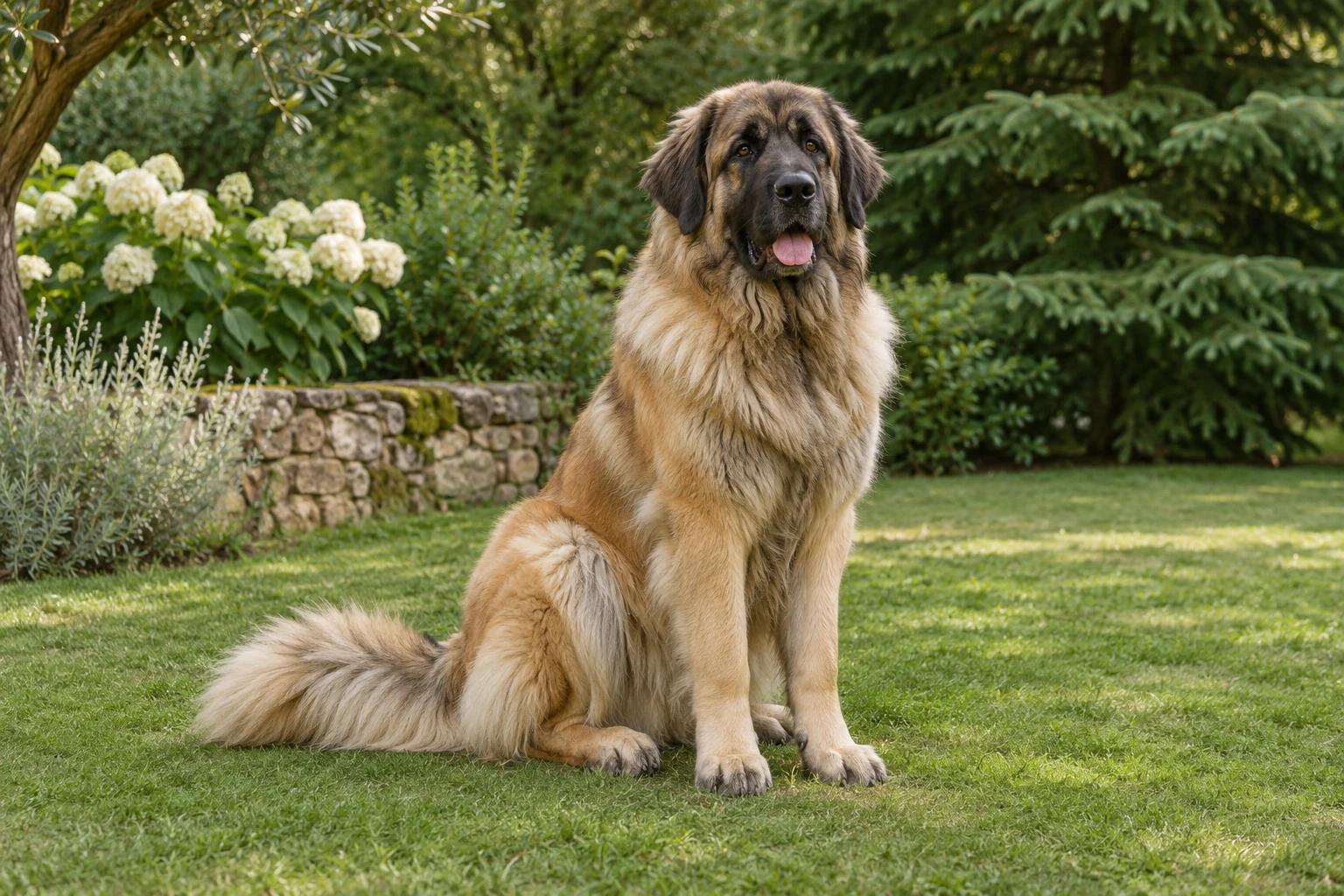
Estrela Mountain Dog temperament makes more sense when you think about the ordinary moments surrounding a large guardian: someone approaching the gate, a visitor taking off a coat, or the family moving between rooms. The useful question is not whether the breed is protective. It is whether you can give that watchfulness a manageable place in your everyday life without expecting the dog to make decisions about people for you.
The Estrela Mountain Dog profile provides the broader ownership picture. Here, the focus is on what to observe, what to ask, and how to arrange a household around the dog you actually meet.
Estrela Mountain Dog temperament: closeness and reserve
The FCI standard describes a guardian closely associated with its keeper and cautious around unfamiliar people. The AKC overview also emphasizes family attachment and the importance of early training and socialization. Those brief descriptions establish a starting point, not a complete personality assessment.
An Estrela can be involved in family life without greeting every visitor enthusiastically. Do not use immediate friendliness as the only measure of a successful introduction. A dog that can remain at a comfortable distance while people talk may be doing exactly what the situation requires. Your goal is a workable routine, not a performance of affection for strangers.
When considering Estrela Mountain Dog personality, separate attachment from constant physical contact. Ask where the dog chooses to rest, whether it follows household activity, and how it behaves when familiar people are busy. Those examples tell you more about the daily relationship than a description such as loyal on its own.
Look at the entrance before the living room
For this breed, the entrance is an especially useful place to assess your setup. Does the front door open straight into the dog's resting area? Can a parcel be accepted without a dog squeezing through someone's legs? Can guests reach the bathroom without stepping over a large resting animal?
Sketch the route from the street to your seating area. Identify somewhere the dog can rest away from that route, with an appropriate barrier available before the door opens. This is a household planning exercise, not a claim that every Estrela will object to visitors. It gives you options if an introduction needs more time.
Ask everyone who lives with you to describe the same arrival routine. If one person invites the dog to rush forward while another tries to hold it back, the plan is not yet clear enough. Decide who handles the door, where the dog waits, and whether a greeting is needed at all. Many visits can begin without direct contact.
Watch the recovery, not just the first reaction
An initial bark or pause does not tell the whole story of Estrela Mountain Dog behavior. During a permitted visit with a breeder or current caregiver, notice what happens after the first moment. Can the dog return to another activity? Does the handler need to keep intervening? What changes when the visitor stands up?
Ask for descriptions of recent, ordinary events rather than staged demonstrations. A plumber arriving, a familiar friend wearing work clothes, and a delivery at the gate are different situations. Request the details of one actual event: where the dog was, what the person did, and how the visit ended.
Do not provoke a response to test guarding ability. Likewise, do not ask someone to remove the dog's usual management arrangements to show what happens. The routine itself is important evidence. A practical assessment includes what support the dog needs, not merely what it can tolerate in an artificial test.
Everyday company with room to rest
A household considering an Estrela should plan shared time as deliberately as walks. That might mean a resting place near evening activities, a short training exchange before dinner, or a quiet outdoor outing with a familiar person. These are opportunities to build predictable communication, not an instruction to keep the dog occupied continuously.
Resting arrangements matter because of the dog's physical footprint. The breed profile lists adults at 24.5–29 inches and 77–132 pounds. Measure the available floor space rather than assuming a bed will fit wherever a puppy settles today. Keep passageways usable when the dog lies fully stretched out.
If several adults share care, each should learn the same practical routines. A dog that moves comfortably with one handler still needs experience with the person covering an early work shift or a weekend away. Introduce that arrangement while there is time to make it familiar, not on the morning a substitute caregiver is needed.
Activity without inventing a job
The site's reference places activity needs in the middle of its scale. That supports planning regular outings and engagement, rather than assuming this large breed needs either endless exercise or almost none. Build the schedule around the dog's age, condition and observed response; ask a veterinarian about individual exercise limitations.
Avoid turning guardian heritage into an instruction to patrol the property alone. A yard can be useful space without becoming the dog's entire daily assignment. Consider where passing people, neighboring dogs and delivery routes fall relative to the resting area. An attractive garden is not automatically a quiet place to switch off.
For a companion home, useful tasks can be straightforward: moving with you through a gate, returning from the garden, or resting while you carry shopping indoors. These small moments make shared life easier without requiring the dog to act as security equipment.
Questions worth taking to a meeting
Ask how the dog's behavior differs at home and away. Request examples of handling, travel, visitors and time with another caregiver. If another dog lives with you, discuss that actual dog's routine and space needs rather than asking only whether Estrelas get along with dogs in general.
Useful Estrela Mountain Dog characteristics include more than appearance or an appealing temperament label. Look for information about how this particular dog learns, what situations it has experienced, and what arrangements its caregiver uses. Keep notes immediately after the meeting so a striking photograph does not displace the practical details.
The breed quiz can help organize your household priorities. For a separate look at the breed's name and working landscape, read the seasonal pastures behind the Estrela Mountain Dog's name. Neither replaces a conversation about the individual animal.
FAQ
Are Estrela Mountain Dogs friendly with strangers?
Estrela Mountain Dogs may be reserved with unfamiliar people. Plan introductions that allow distance and do not require touching. Ask the current caregiver how the individual dog handles visitors and changes during a visit.
Does an Estrela need to live on a farm?
A farm address alone does not determine suitability. For an Estrela Mountain Dog, assess entrances, boundaries, regular company, outings and handling arrangements. Livestock work requires its own assessment and should not be assumed from the breed name.
What should I observe when meeting an adult Estrela?
Observe how the Estrela responds to its caregiver, settles after an arrival and moves through normal household routines. Ask about situations you cannot see during the visit. Do not provoke a guarding response as a test.
Sources behind this article
Article source checked: November 15, 2026. Source checked 2026-11-15
Keep reading

Airedale Terrier Temperament: What Everyday Life Can Feel Like
Read article →