Dutch Shepherd vs Belgian Malinois: a realistic choice
Compare Dutch Shepherd vs Belgian Malinois without easy-breed myths: daily work, adult size, household routines and questions for breeders.
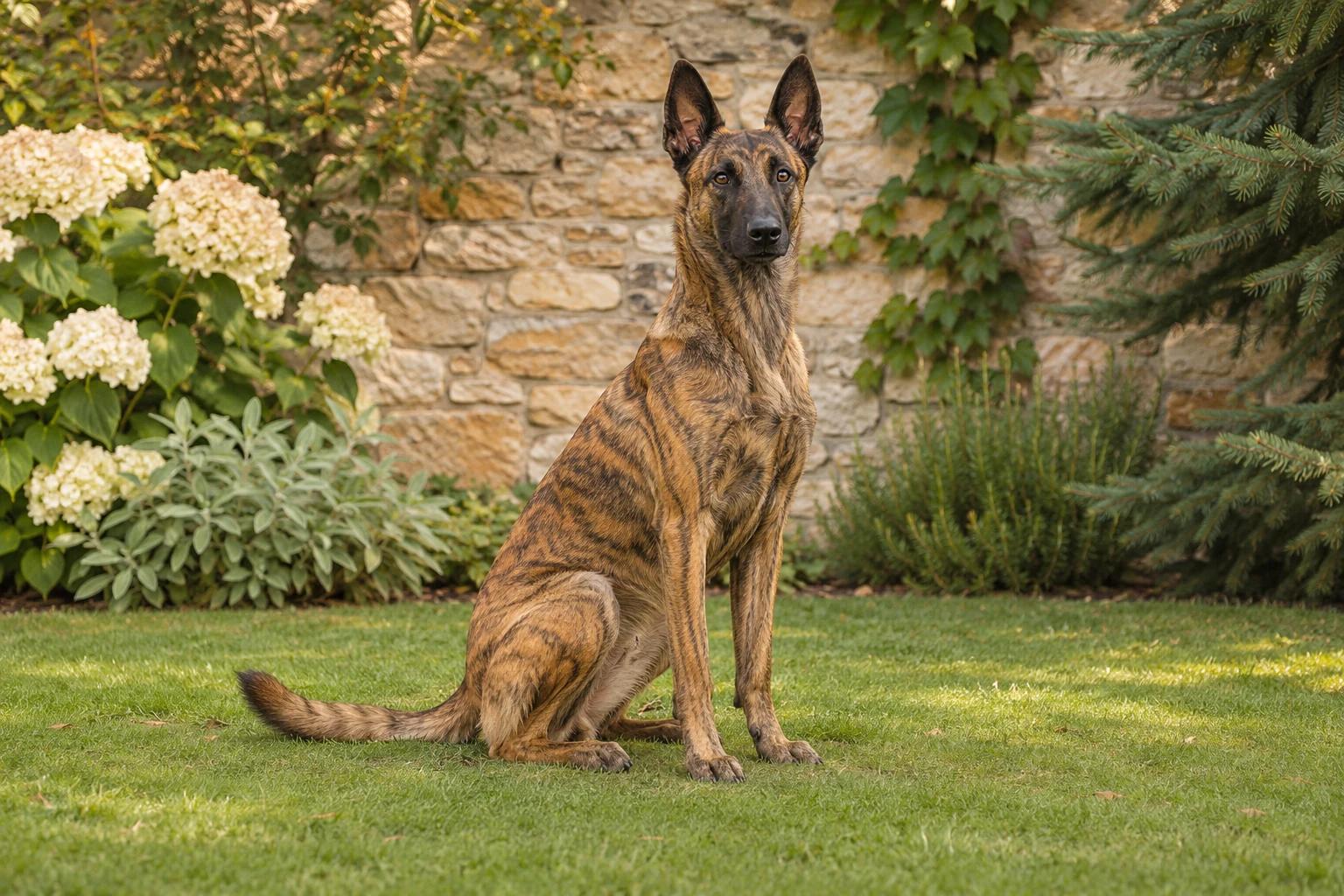
Dutch Shepherd vs Belgian Malinois often becomes an argument about which dog is more intense. That is a poor starting point for choosing a companion. Neither breed is an automatic shortcut to an easy household, and neither label tells you exactly what one puppy or adult will need.
A better comparison begins with the Dutch Shepherd profile, the Belgian Malinois profile and a clear description of your actual week. You are choosing a daily relationship, not the winner of a training-video contest.
Dutch Shepherd vs Belgian Malinois: what the standards describe
The FCI Dutch Shepherd standard describes a muscular dog with endurance, a body somewhat longer than its height and a combination of cooperation and independent work. The AKC Belgian Malinois standard describes a square, agile, muscular herder that is alert and responsive to its owner.
These distinctions help explain form and intended character. They do not establish that every Dutch Shepherd is calmer, or that every Malinois is harder to train. Both require you to examine background, experience and the specific activities you can support.
If someone offers a simple ranking, ask what dogs they are comparing. A trained adult living with an experienced handler and an adolescent in a new home provide very different evidence. The breed name cannot account for everything you see.
Choose the work you want to share
Before deciding between dutch shepherd or belgian malinois, write down the training you would enjoy doing repeatedly. Do you want to learn a suitable sport with an instructor? Are you interested in careful obedience foundations, scent activities or another structured outlet? Have you watched an ordinary beginner class rather than only its most impressive participants?
Then add the non-sport work: lead handling, quiet travel, grooming cooperation, waiting at doors and resting while people are busy. Those skills remain necessary even when a dog performs an advanced routine elsewhere.
If your proposed plan depends on exhausting the dog so it cannot be difficult at home, reconsider the plan. Physical activity and household learning are different tasks. Both breeds need an appropriate balance, and the site profiles do not support treating the Dutch Shepherd as the low-energy alternative.
Ask people who know each candidate what an unremarkable week looks like. The answer should include rest and ordinary care as well as exercise and training.
Adult size changes transport and handling
The Dutch Shepherd profile lists 21.5–24.5 inches and 42–75 pounds as adult references. The Belgian Malinois profile lists males at 24–26 inches and 55–66 pounds, and females at 22–24 inches and 44–55 pounds. There is overlap, so choosing a breed name is not a precise way to choose body weight.
The Malinois standard confirms the sex-specific shoulder heights. For practical purchases, measure the individual dog and follow the equipment maker's requirements. Check the usable space in your car, including the opening, rather than assuming a crate that fits one athletic shepherd will suit another.
Consider who will handle the dog if you are unavailable. Can your backup caregiver manage the actual dog on its usual routes? What transport can they use? This matters more than selecting the slightly smaller end of a reference range on paper.
Watchfulness belongs in the routine, not the sales pitch
Both profiles identify watchful tendencies. Ask how the individual dog behaves when someone approaches the house, enters a room or passes on a narrow path. A claim that a dog will “protect the family” does not answer those questions.
Plan a secure visitor routine that does not depend on holding the dog in a crowded doorway. Give it a place to wait while you welcome people, and arrange introductions according to its comfort and history. Visitors do not need to test the dog's tolerance by reaching toward it or insisting on contact.
If you have children, consider the pace and movement of family life as well as your training ambitions. Supervise interactions and provide a retreat. For resident pets, ask about the specific species and the individual dog's experience; a general herding background does not establish compatibility.
Coat choice is practical, not psychological
Dutch Shepherds have short, long and wire coat varieties in the FCI description. The Malinois standard describes a short outer coat with a dense undercoat. Identify the actual coat and ask for a demonstration of ordinary maintenance rather than deciding from a finished photograph.
Neither coat appearance establishes a more suitable temperament. A shorter grooming session would not compensate for a daily routine that does not fit the dog. Likewise, choosing a less familiar coat variety does not bypass the need for activity and teaching.
For the Dutch breed's visual differences, see our existing article on wire coat, head outline and brindle. Keep that appearance discussion separate from the behavioral evidence you gather during visits.
Compare the people and evidence behind the dogs
A useful belgian malinois vs dutch shepherd comparison includes the breeder or rescue's ability to explain the candidate. Ask what the adults actually do, what challenges have appeared and what support is available after placement. Request records rather than accepting broad assurances about health, and discuss screening information with your veterinarian.
Ask to meet adults in a setting that resembles everyday life. A short demonstration can show a practiced skill; time after the demonstration can show how the dog transitions to something quieter. Neither observation is a complete assessment, but together they are more informative than a highlight reel.
Be wary of selecting primarily for dramatic claims about drive, toughness or status. Those words can conceal more than they explain. Ask for concrete descriptions: what holds the dog's interest, what it finds difficult and what the handler does to help.
The difference between dutch shepherd and belgian malinois that matters to you may be the support available for two particular dogs. If one source answers candidly and another offers only slogans, that is part of your decision.
Use the breed match quiz to check your expectations before committing. It is reasonable to conclude that neither breed suits your current schedule. It is also reasonable to choose an adult whose needs are well understood rather than assume that raising a puppy guarantees your preferred outcome.
FAQ
Is a Dutch Shepherd an easier Belgian Malinois?
No reliable breed-wide rule makes the Dutch Shepherd the easier alternative. Compare individual background, activity, training and household needs. Both profiles indicate substantial engagement, and neither dog arrives with everyday manners already installed.
Which breed is larger?
The site references show overlap, with sex-specific ranges for the Malinois. Measure the individual before buying equipment or planning transport. Breed ranges provide context but cannot predict a puppy's exact adult dimensions.
Should I choose based on working videos?
Videos can show particular skills but leave out daily management, preparation and rest. Meet dogs, ask about ordinary routines and observe a suitable class before deciding. Choose the relationship you can maintain, not only a performance you admire.
Sources behind this article
Article source checked: November 15, 2026. Source checked 2026-11-15
Keep reading

Affenpinscher vs Brussels Griffon: Everyday Differences
Read article →