Dutch Shepherd temperament: the everyday commitment
Understand Dutch Shepherd temperament through independence, watchfulness, companionship and the daily structure an active dog needs.
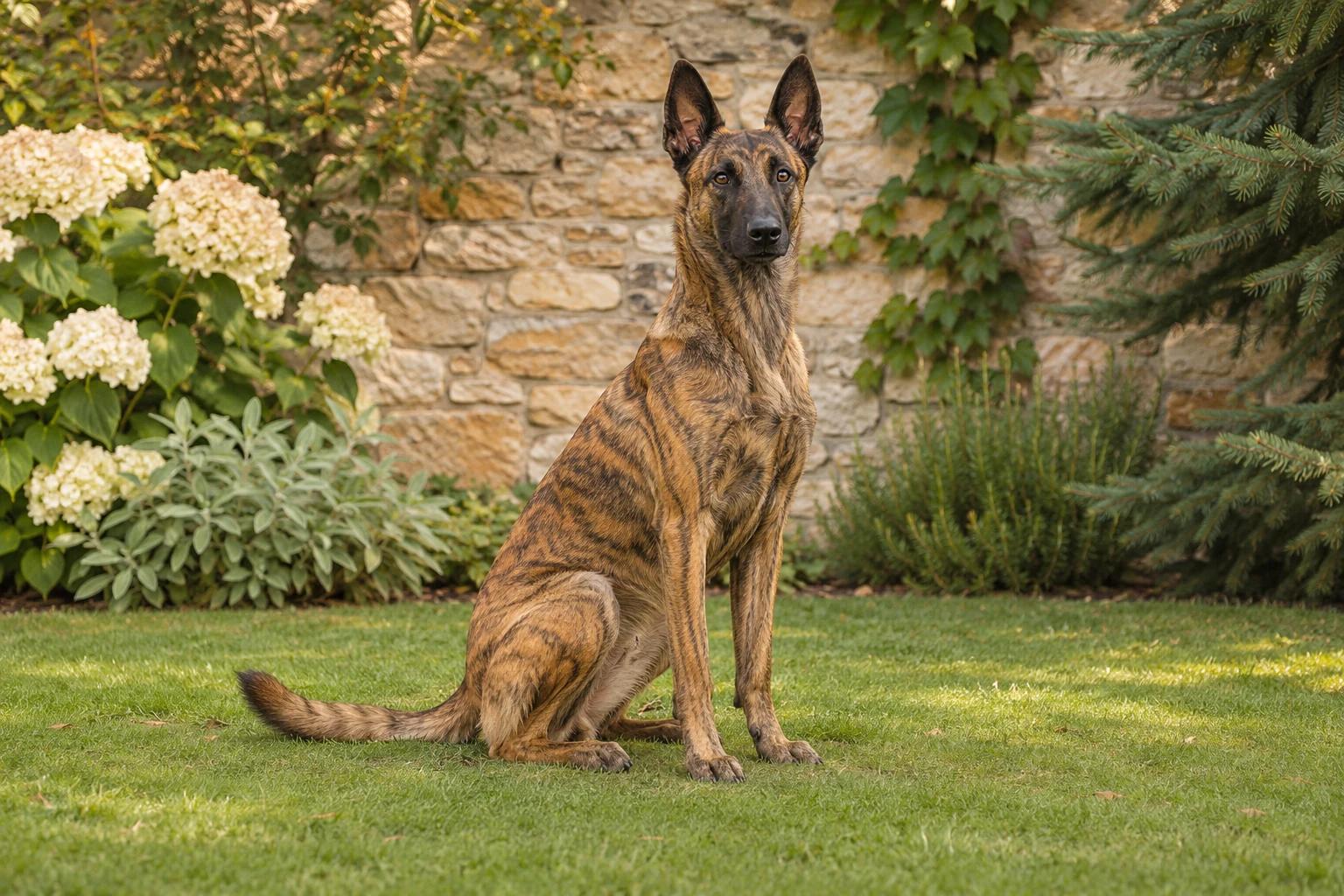
Dutch Shepherd temperament is appealing if you enjoy an involved relationship with an active, observant dog. It is less appealing if you expect intelligence to reduce the time you spend teaching or planning. The central ownership question is not whether the breed can learn, but whether you want to organize daily life around a capable dog that notices what is happening.
Use the Dutch Shepherd profile as a starting point. Then ask about the particular dog's routines, recovery after excitement and experience in homes like yours.
Dutch Shepherd temperament includes independent decisions
The FCI standard combines cooperation with independent task-solving, persistence and watchfulness. The AKC introduction describes a lively, athletic and alert dog. None of those qualities means an untrained dog will automatically make the choices its owner prefers.
A household may value initiative during a search game but dislike it when the dog starts investigating every sound outside. The quality is not good in one moment and bad in another; its usefulness depends on the situation and the guidance available.
When considering dutch shepherd personality, ask yourself whether you enjoy noticing small patterns. What happens before the dog becomes excited? Which routines help it settle? Do you like teaching a clearer alternative? Living well with this breed can involve that kind of attention, not just enthusiasm for long walks.
Watchfulness needs a household plan
A dog that pays attention to arrivals does not need to manage your visitors. Decide in advance where it will be while you open the door and how introductions will happen. A comfortable separate area can be more practical than trying to conduct a conversation while holding an excited dog in the hallway.
Practice the arrangement before an important visit. Have a familiar person rehearse an ordinary arrival while you keep the situation easy. The goal is a routine everyone can repeat, not a demonstration that the dog can tolerate the busiest possible doorway.
Watchfulness also does not establish protection ability or justify encouraging suspicion. You are choosing a companion and taking responsibility for its behavior. If the dog shows responses you cannot manage safely, use secure separation and seek qualified professional help rather than experimenting with confrontation.
Ask prospective breeders or rescues how their dogs handle delivery workers, visitors carrying objects and changes in household routine. Those examples are more informative than a proud claim that a dog is “protective.”
Activity and mental work are separate commitments
The site profile emphasizes both physical activity and mental engagement. A long outing may be valuable, but it does not teach waiting at a doorway, accepting care or settling while you prepare dinner. Those tasks require their own attention.
Build your proposed week around things you genuinely want to do. Perhaps you enjoy structured training, exploring new walking routes and learning a suitable sport with an instructor. That is more realistic than promising a demanding activity you have never tried simply because the dog looks impressive doing it online.
Plan a fallback for disrupted days. If weather, illness or work changes the schedule, who helps and what quieter activities are available? This is not an argument for making every day identical. It is a way to ensure that the dog's routine does not depend entirely on your ideal circumstances.
Do not treat constant stimulation as the only answer. Make space for the dog to be off duty while the household does ordinary things. Learning when nothing is happening is part of living together.
Companionship is not the same as constant contact
The profile points toward strong family involvement. Learn how the particular dog expresses that. One may seek a game, another may choose to lie nearby, and the same dog may want different things at different times.
Set up rest areas that allow proximity without putting the dog in the middle of movement. A bed beside a busy doorway may invite repeated interruptions; a quieter place with a view of the room may work better. Observe rather than assuming that the closest possible position is always preferred.
Time alone also deserves an individual discussion. Ask what the dog currently experiences, how absences have been introduced and what care support is available. Do not convert a general description of loyalty into a claim that every Dutch Shepherd either tolerates or cannot tolerate a specific duration alone.
If the dog shows distress during absences, seek help based on what is actually happening. Recording observations can help a qualified professional assess the situation, and a veterinarian should be involved when health or sudden behavioral change is a concern.
Other dogs, children and busy spaces
Dutch shepherd characteristics do not settle compatibility with a resident dog. Ask about past interactions, arrange appropriate introductions and provide independent resting and feeding spaces. The ability to share a training environment is not identical to sharing a home and its resources.
In a household with children, adults need to manage both movement and contact. Provide a retreat, supervise interaction and prevent games that encourage the dog to chase or crowd a child. No breed description or friendly first meeting removes that responsibility.
Busy public places are not a required test of sociability. A dog can learn to observe people at a comfortable distance without greeting them. Discuss the environments you actually use: school entrances, shared lifts, outdoor cafés or narrow paths. The relevant question is what support the individual needs there.
What to ask during an adult-dog visit
Ask to see the dog after the initial greeting, when conversation resumes and attention is no longer centered on it. What does it choose to do? What does the owner do to help? You are not judging a performance; you are learning the routine behind it.
Useful questions about dutch shepherd behavior include: How does the dog react when a game ends? What is its most difficult everyday setting? Which skills needed the most practice? What would the owner change about the first month? Answers that include challenges are often more useful than unqualified praise.
Do not infer temperament from coat type or markings. Our article on the Dutch Shepherd's wire-coat appearance explains a visual question, not a personality test. Use the breed match quiz to examine your own preferences, and choose a dog on the basis of observed needs and informed support.
FAQ
Is a Dutch Shepherd independent or owner-focused?
The breed description includes both cooperation and independent task-solving. Those qualities can coexist. Owners still need to teach household expectations clearly rather than assuming that a close relationship makes every request obvious.
Does watchfulness make a Dutch Shepherd a protection dog?
No. Watchfulness is not proof of trained protection ability or suitable behavior around visitors. Companion owners should manage arrivals, teach practical routines and obtain professional help for concerning responses rather than encouraging suspicion.
Can appearance tell me which Dutch Shepherd is calmer?
Coat and markings do not establish calmness. Ask about the individual dog's activity, rest, reactions to change and established household routine. Adult observations and knowledgeable guidance are more useful than selecting a look associated with a personality claim.
Sources behind this article
Article source checked: November 15, 2026. Source checked 2026-11-15
Keep reading

Airedale Terrier Temperament: What Everyday Life Can Feel Like
Read article →