Drever vs Beagle: choosing a hound for your life
Compare Drever vs Beagle size, working interests, vocal tendencies and daily routines before choosing between these compact hounds.
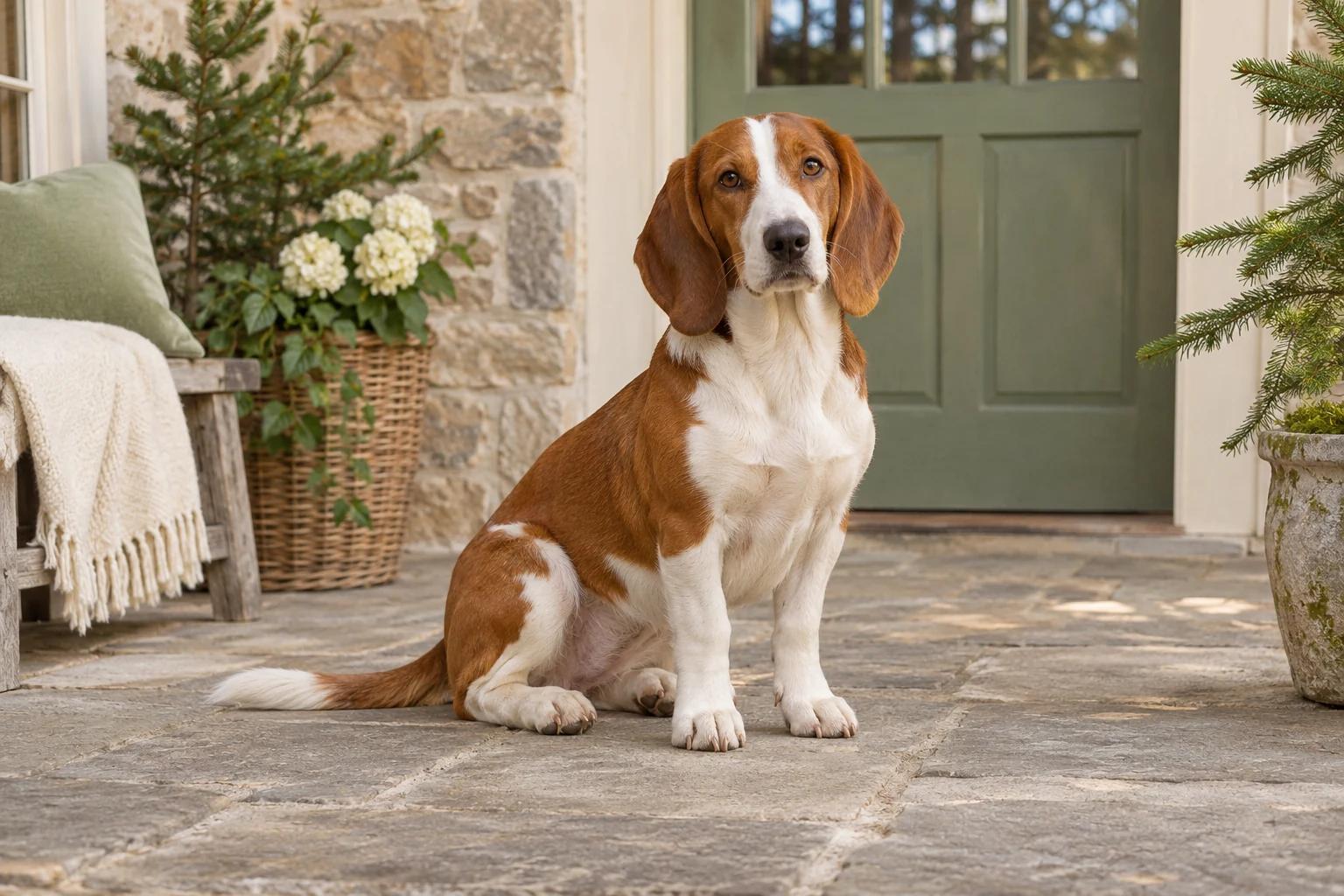
Drever vs Beagle is not a choice between an active hound and a dog whose small size makes activity irrelevant. Both deserve a plan for outdoor investigation, training and secure handling. The more useful differences involve build, the background of the individual dog and how much support you can find for understanding its needs.
Start with the Drever profile and Beagle profile. Then ask which dog fits the life you already lead, including the days when work is busy and the weather is uninviting.
Drever vs Beagle: compare bodies before equipment
The FCI Drever standard describes a robust dog with a relatively long body and short legs. The AKC Beagle standard describes a solid hound and recognizes two height varieties: up to 13 inches, and over 13 through 15 inches.
The site profiles provide another practical distinction. Drevers are listed at 35–40 pounds, while the current Beagle profile lists an overall adult reference of 15–30 pounds. The height varieties are a separate distinction, not a sex-specific weight breakdown. These are reference categories, not limits that every individual must fit or weight goals for feeding.
Consequently, two dogs that look similar in shoulder height may not feel equivalent when you need to assist them into a car. Meet adults, measure the individual and check equipment load limits. Do not buy a carrier for either breed simply because a shop groups it under “small dogs.”
The working question is especially important for the Drever
Discuss the Drever's hunting background frankly with the breeder or rescue: does your actual routine match this particular dog? A plan consisting mainly of brief outings deserves scrutiny before a commitment.
For a Beagle, ask the same practical questions about the individual rather than treating familiarity as evidence of an easy fit. What does the dog currently do outdoors? How is it managed around scent distractions? What happens when a walk ends? An established adult routine can give you something concrete to compare with your own schedule.
The Drever's Swedish development story explains its background separately. Here, the important distinction is that a breed's purpose should inform your questions without turning into a promise about performance or an excuse to ignore the dog's current needs.
What will your ordinary walk look like?
Picture a route past gardens, parked cars and a patch of grass. You want to reach the park; the dog may be interested in something along the way. Can you allow time for investigation while maintaining safe control, or will every pause feel like an obstacle?
For either hound, plan suitable places to stop and places where you need to keep moving. Teach practical cues in easy surroundings before expecting them to work beside strong distractions. Reward turning toward you and moving with you, and use appropriate lead equipment rather than relying on enthusiasm indoors as proof of outdoor reliability.
If you enjoy learning about scent activities, discuss introductory options with a knowledgeable instructor. If you mainly want a dog to follow a fixed exercise route without much exploration, be honest about that preference. Choosing drever or beagle should include whether you enjoy the kind of walk the individual dog finds rewarding.
Sound may outweigh a modest footprint
Both site profiles flag a relatively high vocal tendency. That makes housing acoustics a serious part of the comparison. A compact dog is not automatically a discreet neighbor in a building with shared entrances and thin walls.
Ask for a description of sound in context. Does the dog react when someone passes the window? During preparation for a walk? In company with other dogs? What happens when people leave? You need to understand the situation, not just receive a yes or no answer to “Does it bark?”
Before bringing either dog home, identify a quiet resting area away from the busiest boundary. Think through care arrangements during absences and how you would obtain help if vocalization became persistent. Do not select the breed on a promise of silence or assume that one training trick will remove normal communication.
Company and introductions need individual evidence
The profiles suggest that both breeds can be worth exploring for homes with other dogs. That does not establish compatibility with your resident animal. Ask about previous living arrangements and arrange introductions with enough space and experienced support.
Once at home, separate feeding places and independent resting areas make management clearer. Watch whether both dogs can disengage from interaction. An exuberant first meeting is not the same as comfortable shared living over several weeks.
Small pets require their own discussion. Enjoying another dog's company does not tell you how a hound will respond to a rabbit or other animal. Be specific about the species in your household and your capacity for reliable separation. Children also require adult supervision and boundaries around sleep and food, whichever breed you choose.
The support network is part of the decision
When comparing beagle vs drever, consider how you will learn about the individual rather than how many attractive listings you can find. Can you meet adult relatives? Is the breeder or rescue willing to describe difficulties as well as strengths? Who can help you with handling and training locally?
Ask for the available screening records and discuss their relevance with your veterinarian. Do not conclude that a shorter published screening list means fewer health concerns, or that a longer list makes one dog a worse choice. Documentation needs interpretation, not a numerical ranking.
A useful final exercise is to write a one-page week for each candidate: outings, company, rest, training, travel and backup care. If both pages are vague, you are not ready to choose. If one depends on support you do not have, address that gap before reserving a dog.
The difference between drever and beagle that matters most may turn out to be the evidence available about two specific dogs. Use the breed match quiz to challenge your assumptions, then choose from information you can verify rather than from a preference for rarity, familiarity or markings.
FAQ
Is a Drever usually heavier than a similarly tall Beagle?
The site's reference ranges place the Drever above the Beagle's current overall weight range. Individual measurements still matter, especially when buying travel equipment or planning lifting assistance. Shoulder height alone does not establish body weight.
Which breed is quieter in an apartment?
Neither should be selected on an expectation of quiet. Both profiles flag vocal tendencies. Ask about the actual dog's triggers, time-alone experience and response to shared entrances, then assess your building and care arrangements.
Is a Beagle automatically the easier companion choice?
No. Familiarity does not establish suitability. Compare the specific dog's habits and support needs with your routine. Ask for concrete examples of what each candidate needs on an ordinary weekday, including what happens when your schedule changes.
Sources behind this article
Article source checked: November 15, 2026. Source checked 2026-11-15
Keep reading

Affenpinscher vs Brussels Griffon: Everyday Differences
Read article →