Dalmatian vs Great Dane: size, routine and real life
Compare Dalmatian vs Great Dane through adult size, daily care, training and practical home arrangements before choosing a dog.
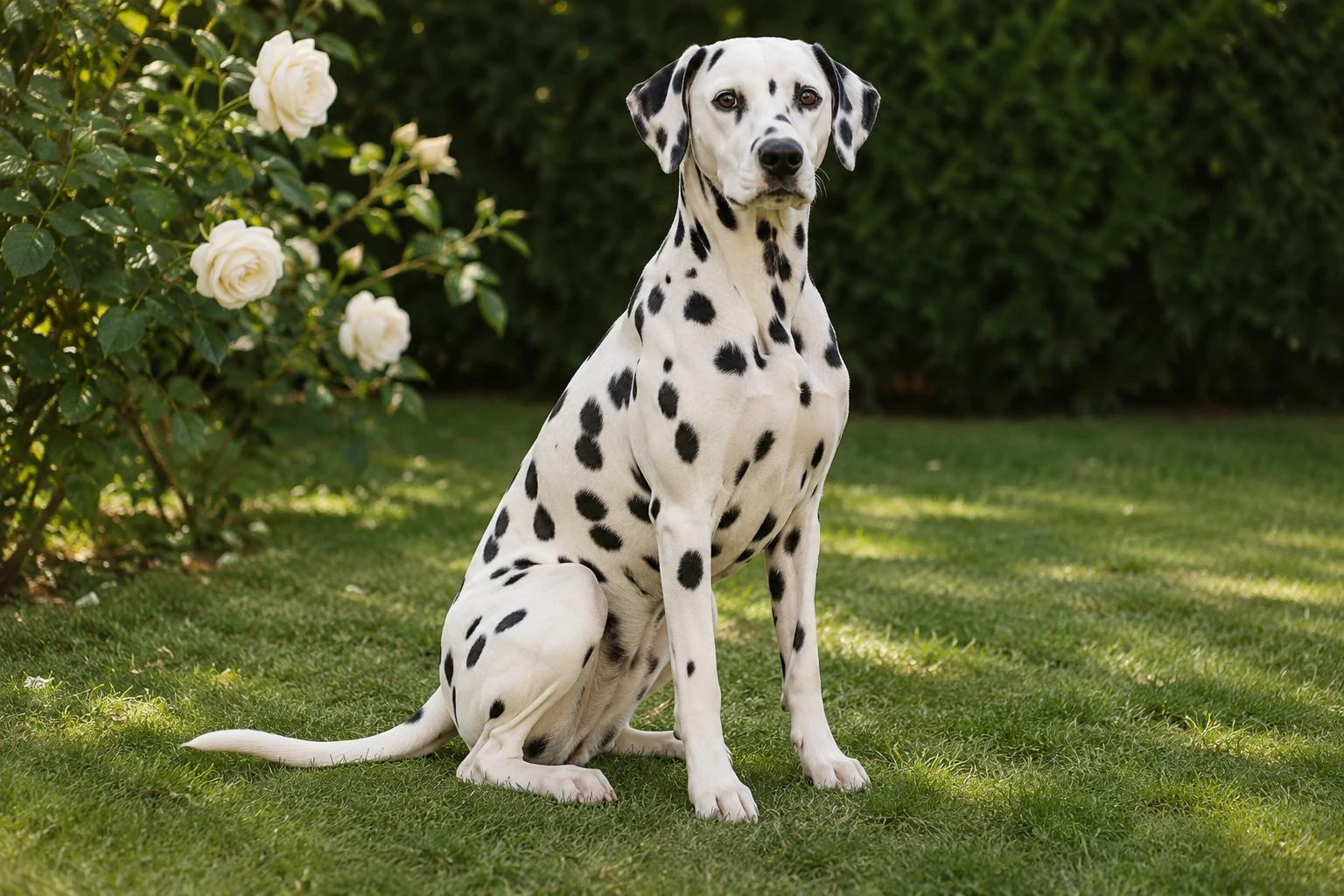
Dalmatian vs Great Dane is a comparison where the tape measure deserves as much attention as temperament descriptions. Both can inspire strong preferences from a photograph, but the daily logistics are not interchangeable. Start with adult size and then consider the time, teaching and care arrangements behind that picture.
Read the Dalmatian profile and Great Dane profile together. Their reference information can help you identify questions to resolve before choosing a dog. It cannot determine whether a particular individual will fit your household without further conversations and observation.
Dalmatian vs Great Dane: the clearest difference is scale
The Atlas Dalmatian profile lists an adult height of 19–24 inches. The Great Dane profile lists males at 30–32 inches and 140–175 pounds, with females at 28–30 inches and 110–140 pounds. Those figures describe a substantial practical difference, not simply two neighboring sizes of dog bed.
The AKC Great Dane overview explicitly emphasizes the commitment involved in the breed's size, weight and strength. Before you picture the dog resting in a favorite room, work through how it will reach that room, travel to appointments and be handled by the people sharing care.
The AKC Dalmatian overview identifies the breed's historical coaching role. That background provides context, not a reason to assume a Dalmatian requires less planning because it is smaller than a Dane. A Dalmatian still needs a practical handling and transport plan.
Great Dane vs Dalmatian space: walk the route
Begin at the place where the dog would sleep and follow the route to the street. Check tight turns, narrow doorways, slippery areas and shared entrances. Then repeat the exercise from the street to the vehicle. The inconvenient point may be a short passage rather than the size of your largest room.
Use actual measurements for proposed equipment. A bed that fits on the floor may leave no clear walking space around it. A travel setup that fits the vehicle may leave too little room for other passengers or everyday luggage. These are solvable questions only if you notice them before buying.
Think about normal household movement. Can someone carry laundry through the room without stepping over the dog's resting place? Can a guest enter without squeezing past? Place essential routes on a simple sketch and keep resting areas away from the busiest bottlenecks where practical.
For a Great Dane especially, identify helpers who can manage the individual dog's size. Do not assume willingness is the same as practical ability. Discuss transport and assistance arrangements with your veterinary team and caregivers before an urgent need arises.
Activity without the athlete-versus-sofa stereotype
Neither breed should be chosen from the cartoon version of its energy level. Discuss activity and mental engagement separately when comparing the dogs. Your plan needs appropriate outings, learning and time at home, shaped around the individual dog's age and condition.
Ask the current caregiver what a routine weekday looks like. What activities are already familiar? How does the day change in poor weather? Who helps when the usual person is unavailable? Compare those answers with your actual calendar rather than a holiday schedule.
If you hope to share running, read the separate Dalmatian article on running plans and readiness. Keep that ambition apart from the initial ownership decision. Neither a breed's history nor your own fitness supplies an individual dog's exercise clearance.
For either candidate, discuss suitable activity with your veterinarian. Do not transfer a routine from a previous dog simply because it was convenient for you. The comparison is about whether you can provide an appropriate day, not which breed wins a mileage contest.
Training goals that match the dog's physical presence
A dog does not have to be deliberately difficult to make a narrow entrance awkward. Ordinary enthusiasm, turning around or moving toward a visitor can create a logistical challenge. Give household manners a place in your plan from the start.
Choose a reward-based trainer who can help with the tasks you will use: preparing for walks, waiting away from doors, resting in a designated place and comfortable care handling. Explain your home layout and the people who will share responsibility. Ask for a plan that works in that setting rather than only in a classroom.
Both profiles indicate room for useful learning, but no rating tells you how much practice a particular dog will need. Request demonstrations of familiar skills and ask how they were taught. A caregiver's explanation of the process is often more useful than a statement that the dog is intelligent.
Make sure backup caregivers can use the same routine. If only one person can manage the entrance or prepare the dog for travel, your ownership plan has a fragile point. Include other caregivers in appropriate lessons rather than leaving them to improvise later.
Coat care, cleaning and appointment planning
Both profiles describe short, smooth coats. That does not make the maintenance commitments identical or remove other care tasks. Ask about the actual dog's routine, the equipment used and its comfort with handling.
Keep household cleaning in the comparison. Where does the dog rest, which vehicle surfaces need protection and who will maintain those areas? Avoid ranking breeds by how tidy a single photograph looks. Visit ordinary homes or speak with caregivers about the work between the pictures.
Request service estimates using the dog's actual size and needs. Grooming, transport and travel care providers may have different arrangements for a very large dog. Confirm availability before treating those services as solved. The same principle applies to equipment: a product category is not evidence that the item suits the individual.
Dalmatian or Great Dane: choose the commitment you can support
Make two separate ownership plans rather than one plan with the breed name changed. For each, list the vehicle arrangement, weekday caregiver, training support, resting space and travel backup. Mark unresolved items honestly.
The difference between Dalmatian and Great Dane ownership should become visible in those details. You may find that the Dane's physical scale requires changes you cannot make, or that a particular Dalmatian's routine does not fit your schedule. Neither conclusion is a judgment on the dog's worth.
The breed quiz can help you express preferences, but the final decision needs evidence about a real dog. Ask experienced caregivers to review your plan and identify what is missing. Choosing later, or choosing neither breed, is a reasonable result when the practical arrangements remain unresolved.
FAQ
Is a Great Dane much bigger than a Dalmatian?
The Atlas adult height references show a substantial difference in scale. Great Danes require distinct planning for equipment, transport and handling. Use actual measurements when considering a particular adult dog.
Is the Great Dane automatically the calmer choice?
A broad breed description cannot establish an individual dog's daily behavior. Ask about activity, resting routines and responses to household events. Do not use an easygoing reputation as a substitute for an appropriate care and training plan.
Which breed is better for someone who works full time?
Work hours alone do not decide the match. Compare dependable daytime care, outings, companionship and backup arrangements for the specific dog. A plan with reliable support is different from one that assumes the dog will adapt to long gaps without assistance.
Sources behind this article
Article source checked: November 15, 2026. Source checked 2026-11-15
Keep reading

Affenpinscher vs Brussels Griffon: Everyday Differences
Read article →