Dalmatian grooming: a simple short-coat routine
Plan Dalmatian grooming, manage loose hair and organize brushing, bathing and professional help without confusing short coat with no care.
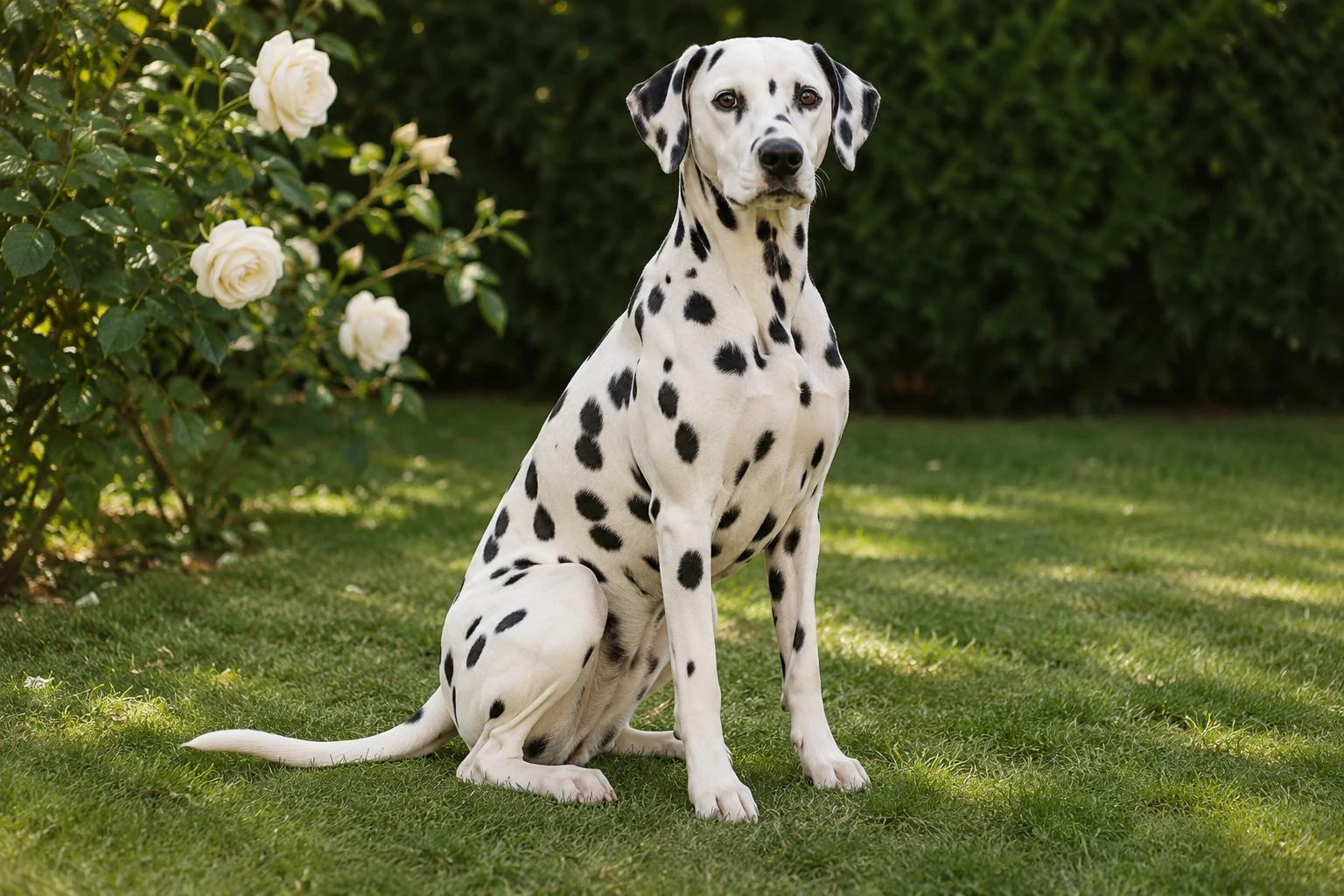
Dalmatian grooming is less about creating an elaborate hairstyle than maintaining a routine you can repeat. The short coat does not need to dominate your calendar, but loose hair, bath preparation and comfortable handling still deserve a plan. Think of grooming as several small jobs rather than one occasional marathon.
The Dalmatian profile combines a relatively low grooming-frequency rating with a higher shedding rating. Those are different measures. A straightforward coat-care routine can coexist with regular household cleaning, so judge the commitment by both the dog and the home.
Dalmatian grooming begins with the coat you have
The FCI Dalmatian standard describes short, dense hair. That helps explain the breed's appearance, but a standard is not a grooming schedule. Your dog's outdoor habits, comfort with tools and any veterinary instructions should shape the practical routine.
Start by asking a groomer to demonstrate suitable tools on your dog. Watch the pressure and direction of the movement, not just the tool's label. A brief demonstration can be more useful than a drawer full of equipment bought because the packaging mentions shedding.
Create a care station with the supplies you actually use. Choose a location where the dog can stand comfortably, the floor is secure and you can reach everything without repeatedly leaving. Good lighting helps you notice changes without turning the session into an examination of every spot.
Keep the setup familiar
Use a consistent place when practical, and separate learning about equipment from completing every task. If your dog is inexperienced with handling, ask a reward-based trainer or groomer how to prepare. Do not wait until the coat is dirty and everyone is rushed to discover that the setup is difficult.
Dalmatian coat care: choose a manageable brushing plan
VCA's coat-care guidance explains that brushing removes loose hair and debris. It identifies flexible grooming gloves or short-bristled brushes as options for smooth coats, emphasizes gentle technique and recommends individual advice from a veterinary team, breeder or groomer.
The AKC Dalmatian ownership guide describes regular brushing and occasional bathing as part of routine care. Treat that as a starting conversation rather than a promise that every dog needs exactly the same timetable.
Choose a realistic recurring slot, then adjust with professional guidance and observation. A brushing session that fits naturally after an ordinary quiet activity is easier to maintain than an ambitious weekend routine that is often postponed. Keep the tool clean and in the same place so preparation does not become the main obstacle.
Notice which parts of the arrangement need improvement. Does the dog move away when the tool appears? Is the floor slippery? Are you trying to reach across the dog awkwardly? Ask for help with those details instead of assuming the answer is firmer restraint or a more aggressive brush.
Plan for Dalmatian shedding in the house
The practical question is not whether you can eliminate every hair. It is where loose hair causes the most inconvenience and which cleaning tasks you can maintain. Begin with sleeping areas, the car and the clothes you wear to work.
Washable covers may simplify your own cleaning routine if they suit the furniture and the dog. Keep a separate place for clean and used covers so the task does not spread across the whole house. Check care labels and equipment instructions rather than assuming every fabric or vacuum attachment works the same way.
Try a small cleaning kit in the location where it will be used. A suitable upholstery tool near the car or a clothing brush near your exit may be more practical than storing everything in a distant cupboard. This is household organization, not a claim that a product can stop shedding.
Avoid changing the dog's diet or adding supplements solely because you are frustrated with hair on the sofa. Ask your veterinarian about unexpected coat changes or skin concerns. Grooming and cleaning cannot tell you whether a change has a medical cause.
How to groom a Dalmatian when a bath is needed
Plan the space before you bring the dog into it. Where will the dog enter and leave? Can you reach towels without stepping away? Is the floor secure, and can you manage the setup comfortably? If the arrangement is awkward, a professional appointment may be the more workable choice.
Ask your groomer or veterinary team which products and method suit your dog, particularly if there are skin concerns or existing instructions. VCA notes that bathing needs vary with lifestyle, age, coat and health. There is no reason to turn a generic calendar into an obligation for every Dalmatian.
Write down the product used and the date if several people share care. This prevents one person repeating a task because they did not know it had already been done. Keep any veterinary directions with that record rather than relying on someone's memory of a conversation.
Include cleanup in the time allowance. Towels need laundering, equipment needs putting away and the bathing area needs attention. If your schedule accounts only for washing the dog, the job will regularly feel larger than expected.
Separate routine maintenance from problems needing help
Brushing gives you opportunities to notice what is usual for your dog. If you find a new area of irritation, discomfort or unusual hair loss, contact your veterinarian instead of trying repeated baths or improvised treatments. Describe when you noticed it and any recent changes in products or routine.
Nails, ears and teeth also belong in the wider care conversation. Ask for demonstrations and an individual plan rather than assuming coat instructions cover those tasks. If you are not confident with a procedure, professional help is a reasonable part of the budget.
When choosing a groomer, describe the dog's handling experience honestly. Ask what the service includes, how they communicate concerns and whether they can help you learn appropriate home maintenance. A short coat does not mean every appointment has identical requirements.
Fit grooming into the whole Dalmatian routine
Reserve time for care alongside walks and teaching rather than treating it as something that happens only when the dog looks untidy. The separate article on running plans and readiness covers activity decisions; grooming is another part of the relationship that remains important whether or not you share that hobby.
If you are comparing breeds, the breed quiz can help organize preferences, but include cleaning tolerance in your own checklist. Being comfortable with a short coat and being comfortable with loose hair are not the same preference.
FAQ
Does a short coat mean a Dalmatian does not shed much?
No. The Atlas profile lists a short coat and a higher shedding tendency together. Plan both coat care and household cleaning instead of treating short hair as a promise of little loose hair.
How often should I bathe my Dalmatian?
Bathing needs depend on the individual dog's lifestyle and care requirements. Ask your groomer or veterinary team for guidance, especially if skin concerns or specific instructions are involved. A universal schedule is not appropriate for every dog.
Which brush should I buy?
Ask for a demonstration of a tool suited to your dog's smooth coat and comfort with handling. Flexible grooming gloves or short-bristled brushes are options described by VCA, but technique and individual suitability matter more than buying a large kit.
Sources behind this article
- FCI: Dalmatian standard 153 ↗
- VCA Animal Hospitals: Grooming and Coat Care for Your Dog ↗
- American Kennel Club: Is the Dalmatian a Good Fit for You? ↗
Article source checked: November 15, 2026. Source checked 2026-11-15
Keep reading

Affenpinscher Grooming: A Practical Coat-Care Routine
Read article →