Czechoslovakian Wolfdog vs German Shepherd: daily fit
Compare Czechoslovakian Wolfdog vs German Shepherd through training, activity, home logistics and questions about individual dogs.
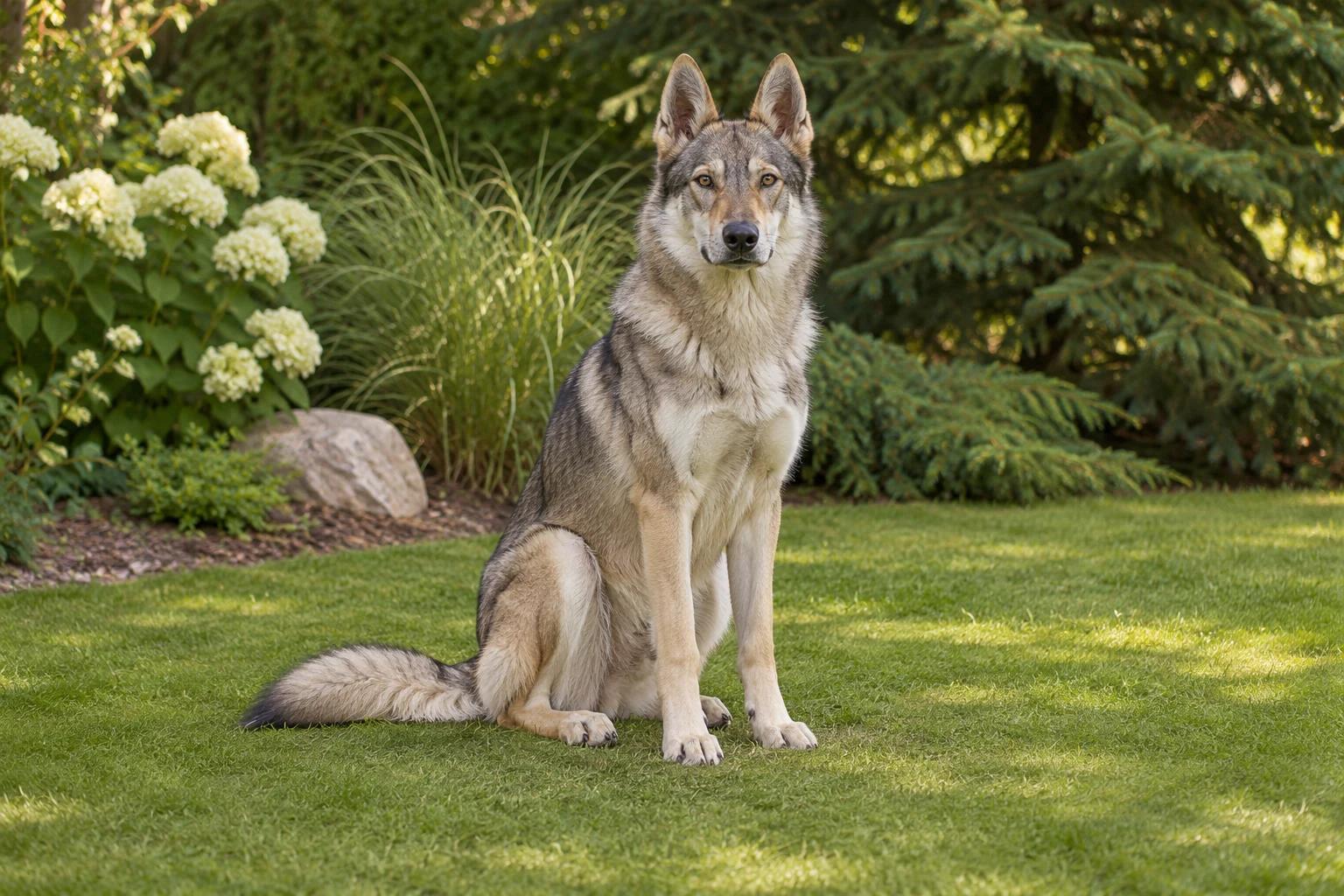
Czechoslovakian Wolfdog vs German Shepherd is not a choice between two versions of the same household companion. Their connected background can make the comparison tempting, but your decision should concentrate on the dog you can realistically live with and teach.
Begin with both profiles: the Czechoslovakian Vlciak and the German Shepherd Dog. Both describe substantial commitments to activity and mental engagement. The more revealing difference is how your household will organize learning, introductions and daily care around the individual dog.
Czechoslovakian Wolfdog vs German Shepherd: the starting point
The FCI Wolfdog standard describes a very active, quick-reacting working dog with endurance and reserve. The AKC German Shepherd overview describes a large, intelligent working dog. Neither description establishes that a puppy will become the companion pictured in your plans.
The Atlas profiles suggest a meaningful difference in training responsiveness: the German Shepherd reference is toward the responsive end, while the Vlciak reference points toward greater independence. Use that distinction to frame questions, not to declare one dog cleverer. Ask how each candidate engages with a familiar handler and what support their learning has required.
The Vlciak profile also suggests more reserve with unfamiliar people. If your home regularly hosts guests, the practical question is how arrivals can be managed. It is not whether one breed will automatically accept everyone who crosses the threshold.
Compare the ordinary Tuesday, not the ideal weekend
Write a realistic Tuesday schedule for each option. Start with getting ready for work, include your commute and finish with bedtime. Mark the periods when a caregiver is available for an outing, teaching or simple company. A large empty block in the middle does not disappear because your weekends are active.
Now add the less enjoyable parts: cleaning the car, organizing care during a business trip and attending lessons after a tiring day. Which tasks are you genuinely willing to repeat? Where would you need paid help? Ask a potential caregiver about both breeds before assuming the same arrangements will be available.
A useful comparison sheet has columns for “already arranged,” “possible” and “not yet solved.” Put facts in the first column, not intentions. Having a nearby path is an advantage; having an agreed midday caregiver is a stronger plan than assuming a neighbor will volunteer.
A garden does not answer the schedule question
Outdoor space can make some routines more convenient, but it does not supply teaching or companionship. Examine entrances, gates and boundaries for either dog. Decide how deliveries, maintenance work and visiting vehicles will be managed. Do not use an attractive yard photograph as evidence that the daily plan is complete.
German Shepherd vs Czechoslovakian Wolfdog training
Ask yourself what you enjoy about training. Do you like practicing precise exercises, learning a sport or working on small household skills? Write down the activities you would keep doing even without a ribbon, social media video or dramatic result.
Next, visit a suitable class or speak with a reward-based trainer. Explain the two breeds you are considering and describe your actual experience. Ask what support they can offer, how they adapt lessons to an individual and whether they can help with introductions and handling as well as formal exercises.
For each candidate dog, request examples rather than a score. Can the caregiver demonstrate a familiar cue? What happens when the setting changes? How do they prepare the dog for travel or routine care? Answers about the training process are more useful than a claim that the breed learns quickly.
A more responsive breed description does not make the German Shepherd self-training. Equally, independence does not justify confrontational methods for the Vlciak. Choose a teaching approach and support network you can sustain without turning ordinary life into an ongoing contest.
What size means in a real home
The Vlciak profile lists adult weight at 44–97 pounds; its height information still describes minimum measurements. The German Shepherd profile lists adult weight ranges of 66–88 pounds for males and 49–71 pounds for females. The weight references overlap, so they do not establish a universal size winner between individual dogs.
Measure the places that matter instead. Can the travel setup fit your vehicle while leaving room for luggage? Where will a resting area go without blocking a hallway? Can you manage the dog through shared entrances? If you are considering an adult, use that dog's actual measurements for equipment decisions.
Think about the backup plan as well. A helper should be able to manage normal handling, not merely agree that the dog looks wonderful. Discuss transport and care arrangements before an urgent situation makes those questions harder to solve.
The difference between Czechoslovakian Wolfdog and German Shepherd ownership
The difference becomes clearer when you compare particular dogs alongside your non-negotiables. If your home has frequent visitors, request detailed visitor histories. If you travel, ask about experiences with alternate caregivers. If you want to participate in a hobby, speak with instructors before treating either breed as a guaranteed match.
Keep grooming and household cleaning on the list, but avoid choosing from appearance alone. Ask to see the current coat-care equipment and discuss what the caregiver actually does. Your tolerance for hair on clothing and time spent cleaning is a personal preference worth stating honestly.
The article on the Vlciak's development dates covers the historical connection without turning it into a prediction about behavior. Read it for context, then return to present-day evidence. Ancestry cannot tell you whether a particular dog will fit your working hours or existing animals.
Czechoslovakian Wolfdog or German Shepherd: making the choice
Choose the option with fewer unresolved practical questions, not the one with the more compelling image. Sometimes that will be a specific adult whose routine is well documented. Sometimes it will mean postponing either breed until your care arrangements improve.
Use the breed quiz to clarify preferences, then take the results to experienced caregivers. Ask them what you have underestimated. A good comparison leaves you with a clearer plan, including the possibility that neither option fits right now.
FAQ
Which breed is easier to train?
The Atlas profiles suggest greater training responsiveness in the German Shepherd reference, but that is not an individual guarantee. Compare the dog's learning history, your preferred activities and the professional support available before deciding.
Is a Czechoslovakian Wolfdog always larger?
No universal size ranking follows from the profiles. The Vlciak adult weight reference of 44–97 pounds overlaps the German Shepherd's combined 49–88-pound reference. Height minima and weight ranges describe different measurements. Use actual adult dimensions when available rather than assuming one individual must be larger.
Can either breed fit a busy working household?
The relevant question is whether the household has dependable care, activity and teaching arrangements during real workdays. Assess absences, travel and backup help explicitly. A busy schedule with reliable support is different from a plan that relies only on free weekends.
Sources behind this article
Article source checked: November 15, 2026. Source checked 2026-11-15
Keep reading

Affenpinscher vs Brussels Griffon: Everyday Differences
Read article →