Czechoslovakian Vlcak temperament in everyday life
Understand Czechoslovakian Vlcak temperament through everyday routines, visitor plans and questions to ask before choosing a dog.
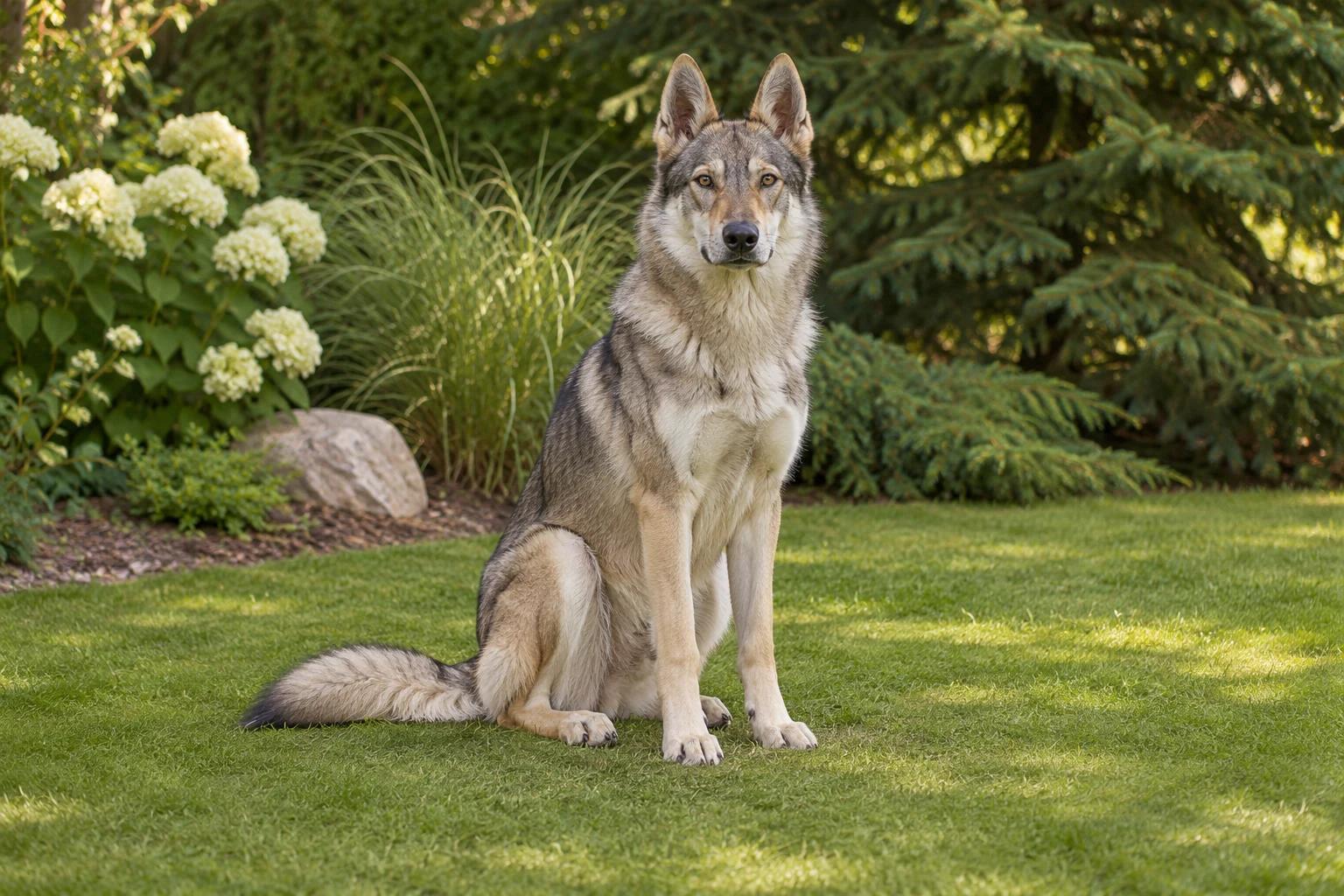
Czechoslovakian Vlcak temperament is best considered through ordinary situations: a visitor arriving, a change to the morning routine or an evening when you still have work to finish. A striking appearance may start your interest, but these everyday moments decide whether living together makes sense.
The AKC overview emphasizes intelligence, activity and attachment to the owner. The FCI standard also describes an active, quick-reacting dog with endurance and reserve. These are breed descriptions, not a personality report for the particular dog you might bring home.
Czechoslovakian Vlcak temperament: translate labels into questions
“Loyal” sounds attractive, but ask what companionship looks like in the dog's current home. Does the dog follow a familiar person between rooms? Can another caregiver handle an ordinary walk? What happens when household members leave at different times? The answers help you plan care without treating loyalty as a promise of effortless cooperation.
Likewise, “intelligent” does not tell you how enjoyable repetitive lessons will be. Ask for a demonstration of something the dog has learned, then ask how it was taught. You are looking for information about the process: the setting, rewards, consistency and support that made it work.
The breed profile places activity and mental engagement high in its reference ratings while suggesting a more independent learning style. Consider those together. A household that likes purposeful interaction may enjoy the commitment; one hoping exercise will replace teaching should reconsider its plan.
A practical look at Czechoslovakian Vlcak personality
Imagine a normal workday, not a hiking holiday. Who handles the first outing? Where will the dog be while breakfast is prepared? What happens during a long video meeting? When is the next opportunity for company and activity? Write actual names beside these jobs rather than assuming someone will be available.
Then repeat the exercise for a wet day, a sick day and a day when your usual helper cancels. This is not a test of whether you can provide a perfect routine. It reveals where the routine depends on a single person or an optimistic assumption.
Ask the current caregiver to describe their least convenient recurring task. You may hear about finding quiet walking routes, organizing visitors or getting help during travel. Those details often explain more than a list of positive adjectives. Follow up with “What arrangements have made that easier?” rather than asking whether the dog is simply easy or difficult.
Company and independent time are different questions
Enjoying familiar people does not tell you how a dog manages time alone. Request specific observations from the current home: how long absences have been, what the setup was and what the caregiver actually saw. If available, discuss records from ordinary departures rather than judging a single staged moment.
Do not promise yourself that affection will solve an incompatible schedule. If the dog needs more support than your household can supply, that mismatch deserves attention before a commitment. Persistent distress should be discussed with a veterinarian and a qualified behavior professional, not dismissed as a breed quirk.
Visitors: plan the room before the greeting
The breed's reserve makes visitor arrangements worth discussing in advance. You do not need every guest to become the dog's friend. You need a practical way for guests to enter, sit down and leave without putting the dog or visitors under pressure.
Draw a quick map of your entrance. Is the front door directly beside the dog's resting place? Is there a separate area where the dog can stay comfortably? Can a caregiver manage the arrival without also carrying shopping or answering a ringing phone? Small layout decisions can remove unnecessary complications.
Ask prospective caregivers how introductions currently happen. A description of a familiar routine gives you something concrete to discuss with a trainer. A claim that the dog “knows good people” does not. Human judgments about a visitor's character are not a substitute for observing the dog's response and managing the encounter.
For a busy household, list recurring arrivals, including cleaners, relatives and delivery workers. A weekly pattern of unavoidable close encounters may matter more than the size of the garden. Consider whether everyone in the household will follow the same visitor plan.
Czechoslovakian Vlcak characteristics to assess in person
Arrange to meet adult dogs in ordinary settings when possible. A show, event or photograph provides only a narrow view. Ask to see the transition between an activity and a quieter period, or how a caregiver prepares for a walk. You are gathering examples, not trying to provoke a reaction.
Keep your observation notes factual. “Watched the doorway after the visitor sat down” is more informative than “protective.” “Returned to the caregiver when called in the garden” is more precise than “perfect recall.” Specific descriptions make later conversations clearer and prevent a memorable moment from becoming an exaggerated conclusion.
If you already share your home with another animal, treat compatibility as its own question. Ask about the dog's actual experience with that species and individual arrangements. Breed labels do not establish whether a particular pairing will work, and an introduction plan should come from someone qualified to assess the animals involved.
Reading Czechoslovakian Vlcak behavior without a mythology
Avoid explaining every action through the breed's appearance or ancestry. A missed cue could involve the setting, the learning history or something else entirely. A sudden change belongs in a veterinary conversation. Useful observation starts with what happened, where it happened and what came immediately before it.
For the documented historical background, read three dates in the breed's planned development. Keep that history separate from promises about a modern individual. Your practical decision should rest on the dog in front of you, the support available and the routine you can sustain.
The breed quiz can help organize preferences, but take its result into real conversations. Ask a breeder or rescue caregiver to challenge your assumptions. A clear explanation of a mismatch is more useful than reassurance based only on your enthusiasm for the breed.
FAQ
Is the Czechoslovakian Vlcak naturally outgoing with strangers?
Breed references describe reserve rather than universal sociability. Ask about the particular dog's experiences and introductions. Plan for comfortable distance and manageable visits instead of expecting enthusiastic greetings from every individual.
Does intelligence make this breed easy to live with?
Intelligence is not a substitute for teaching, supervision or a workable routine. Consider whether you enjoy ongoing training and practical problem-solving, then ask experienced caregivers what those tasks look like during an ordinary week.
How can I judge whether the temperament fits my home?
Compare your daily schedule with documented examples from the dog's current life. Discuss visitors, outings, absences and other animals separately. Meeting adult dogs and consulting a qualified trainer can help turn broad breed descriptions into useful questions.
Sources behind this article
Article source checked: November 15, 2026. Source checked 2026-11-15
Keep reading

Airedale Terrier Temperament: What Everyday Life Can Feel Like
Read article →