Coton de Tulear grooming: organize the coat-care work
Plan Coton de Tulear grooming with section-by-section care, manageable trims and professional guidance for coat changes and difficult tangles.
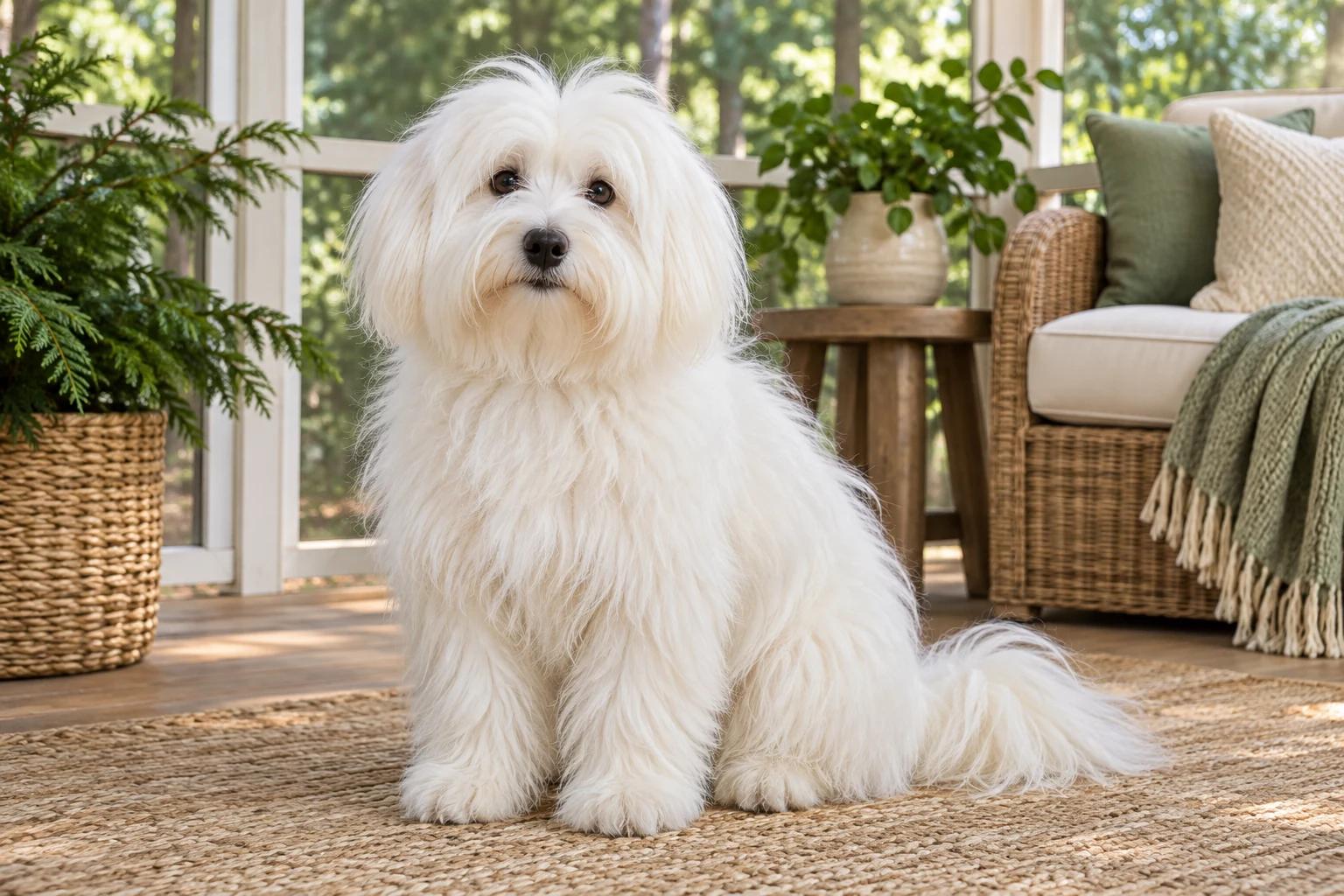
Coton de Tulear grooming is less about keeping a white cloud photograph-ready than making the coat accessible and comfortable to maintain. The small body does not make the task disappear. A full coat needs an organized approach, suitable tools and a dog who has been helped to understand what is happening.
The Coton de Tulear profile records long coat and frequent grooming needs. If you are considering the breed, ask for a demonstration before assuming that a compact companion means a compact care commitment. If you already have a Coton, build the routine around its present coat, not the easy puppy brushing you remember.
Coton de Tulear grooming begins underneath the outline
The UKC Coton standard describes a dense, soft, cottony coat that can be straight or slightly wavy. The practical implication is to look beyond a fluffy surface. A neat-looking back does not tell you whether the less visible areas have been reached.
The United States Coton de Tulear Club's grooming guide discusses working through sections and checking with a comb. Ask a breed-experienced groomer to demonstrate those ideas on your dog. Watch how they separate the coat, support a section and recognize an area that needs a different approach.
Then try a small section yourself while they watch. This can reveal whether your tool is appropriate, whether you are reaching through the coat and whether the dog is comfortable. It is more useful than returning home with a bag of equipment and a vague instruction to brush more.
Make a map instead of repeating the easy areas
Coton de Tulear coat care benefits from a sequence you can remember. Divide the job into areas, such as one side, the other side, chest and legs, using the divisions your groomer recommends. Keep track of where you have worked rather than repeatedly brushing the part the dog most readily presents.
For a busy household, a small card beside the tools can prevent confusion. One person can note which area was completed and where resistance was found. The next person then knows whether the dog needs a different section checked or a professional appointment, not another pass over already manageable hair.
Do not turn the map into a demand to finish everything in one sitting. Plan manageable sessions while ensuring that the complete routine covers the coat. If the dog becomes uncomfortable, pause. A plan that depends on holding a struggling dog still is not a workable maintenance system.
Adjust when the coat changes
The breed club discusses matting difficulties as the puppy coat changes. That is a reason to reassess technique and support, not to assume every Coton reaches the same stage on an exact birthday.
Notice whether a previously easy section now catches the comb or whether the same area needs attention again unusually soon. Bring those observations to the groomer. Ask whether the coat is changing, whether your technique needs adjusting and whether the current length still suits the care you can provide.
This is separate from the question of puppy markings. The article Your Coton puppy's markings may not stay the same addresses appearance expectations. A color photograph cannot tell you how accessible the coat is or what maintenance the dog now needs.
Choose a trim by the work between appointments
If a full-length coat is becoming difficult to maintain, discuss practical options before tangles become the organizing feature of every grooming session. Tell the groomer which tasks you can manage, which areas are troublesome and how the dog spends its outdoor time.
Ask what would remain to be maintained after a proposed trim. A shorter outline can still leave hair around the legs, face or other areas that needs attention. The useful question is not simply “Can you make it shorter?” but “What will I need to do at home with this version?”
Agree on how future appointments will be reviewed. Coat condition and the amount of home care you can provide matter more than copying another owner's timetable. Leave with a clear description of the next step and the signs that should prompt an earlier call.
Keep difficult tangles out of the home-learning exercise
Learning how to groom a Coton de Tulear does not require mastering every difficult mat yourself. When a comb catches, do not increase the force or cut underneath the tangle where you cannot see the skin. Stop and ask a professional how to proceed.
Separate technical difficulty from discomfort. A tight section of coat is a grooming question; apparent pain, redness or an unusual skin change also deserves veterinary attention. Avoid treating a product recommendation online as a substitute for finding out why the dog is reacting.
Have the groomer explain what you can safely maintain and what should be left for the appointment. Ask for a demonstration on an easy area rather than copying a technique from the most difficult part of a video. Confidence should come from understanding the job, not from persisting after the dog has stopped cooperating.
Teach the setup before asking for the whole job
Choose a comfortable, well-lit place with nonslip footing. Have the tools ready before the dog arrives so you do not repeatedly interrupt the session to search for something. Home practice does not require an improvised elevated surface.
Reward arriving at the chosen spot and briefly accepting a comfortable touch. Introduce the appropriate brush for a few gentle strokes, then pause. Gradually connect these familiar pieces into the care routine your groomer has shown you.
Coton de Tulear shedding is recorded toward the lower end of the site scale, but loose hair around the home is not a measure of how much grooming the coat needs. Keep those questions separate. There may be relatively little visible cleanup while the coat still needs substantial hands-on attention.
When considering ownership, include both the appointments and the work between them in the breed match quiz. A realistic grooming plan should name who will do the work and where help is available, not simply record that the dog is small.
FAQ
Does a Coton's small size make grooming easy?
A smaller body does not remove the need to work through a long coat. Technique, coat condition and the dog's comfort with handling affect the task. Ask a groomer to demonstrate the routine on an actual Coton before estimating the commitment.
Why has my Coton's coat become harder to comb?
Coat changes can alter maintenance needs, and the breed club discusses matting during development. A groomer can assess the current coat and your technique. If the dog appears painful or the skin looks abnormal, seek veterinary advice rather than assuming it is only a grooming problem.
Can I use a shorter style instead of maintaining a full coat?
Discuss a manageable trim with a breed-experienced groomer. Explain the home care you can provide and ask which areas will still need attention afterward. A shorter appearance should come with a clear maintenance plan, not an expectation of no further work.
Sources behind this article
Article source checked: November 15, 2026. Source checked 2026-11-15
Keep reading

Affenpinscher Grooming: A Practical Coat-Care Routine
Read article →