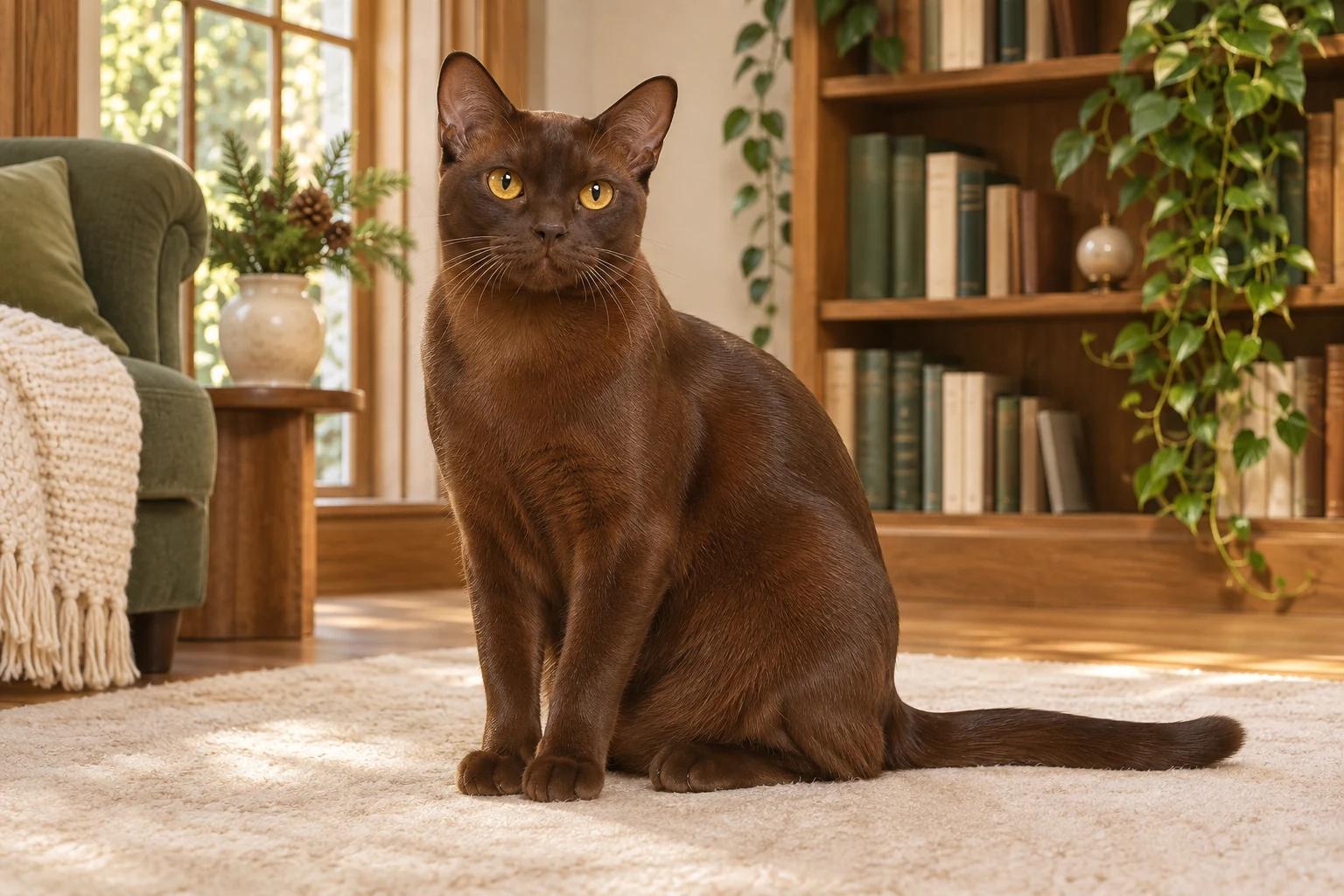
Helping a Colorpoint Shorthair through a noisy household event
Prepare for fireworks or another noisy household event with your Colorpoint Shorthair, using familiar retreats, coordinated care and an individual support plan.
Prepare before the sound begins
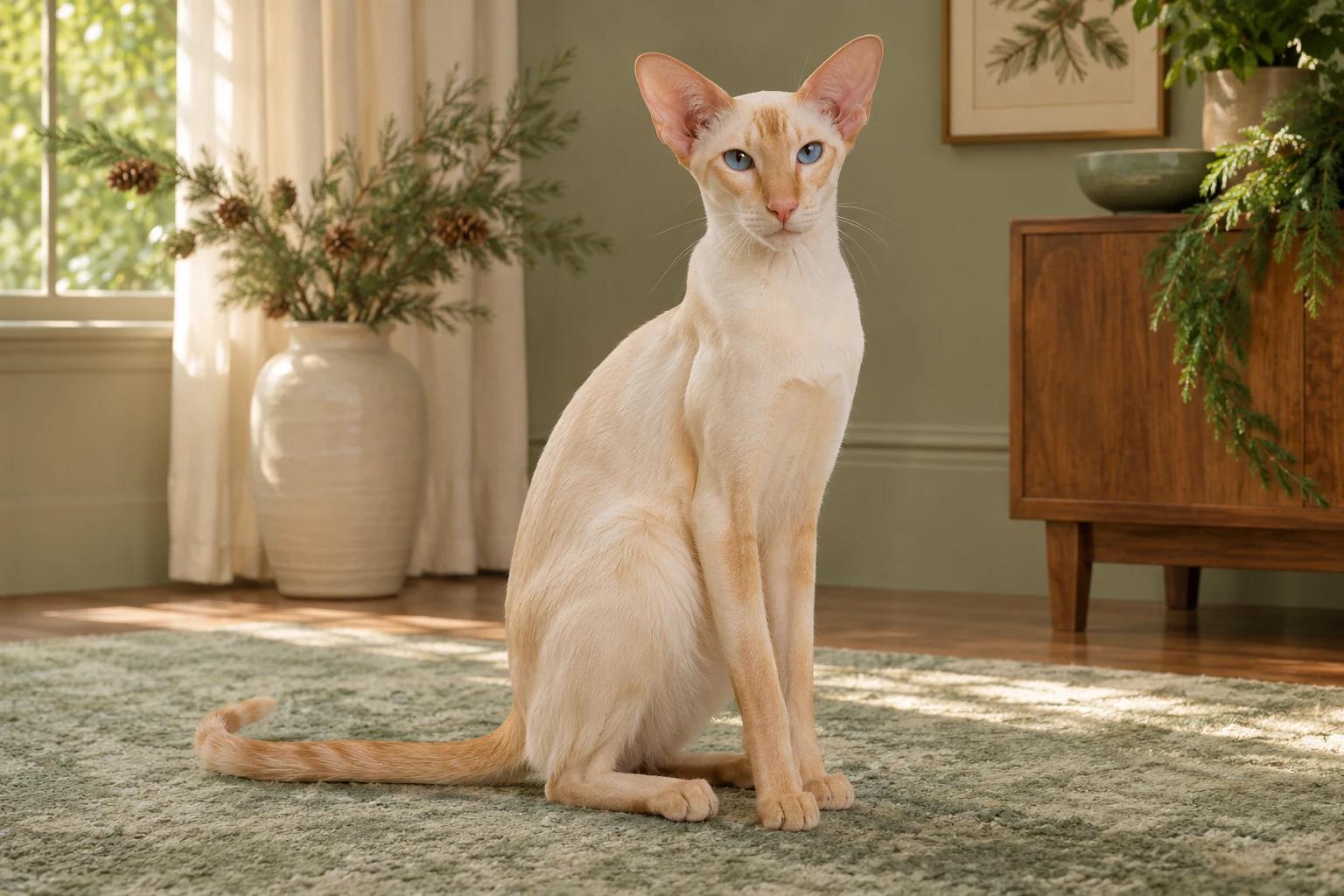
CFA describes Colorpoint Shorthairs as communicative and involved with their people. That does not establish how any individual responds to fireworks, building noise or a busy celebration. If you know an event is coming, start with your own observations of what this cat finds difficult and which familiar places it chooses when the house becomes busy.
Write down the event’s likely timing and which parts of ordinary care it will interrupt. A visitor gathering and a nearby fireworks display may require different arrangements. Decide who will check the cat’s needs while everyone else is occupied. If past events have caused marked distress, speak to your vet in advance rather than waiting for the noise to start.
Offer retreat without making it a trap
Cats Protection’s fireworks guidance recommends hiding opportunities and reducing exposure to outside noise and flashes. It also cautions that restricting a cat to one room can itself be stressful. Keep access to familiar safe indoor areas where feasible, rather than assuming a newly designated quiet room is automatically the best place for this Colorpoint.
Walk through the space while the house is quiet. Check that food, water and litter remain accessible and that people will not need to keep moving the hiding place. Ask guests to leave the retreat alone. The aim is choice within a safe arrangement, not relocating the cat repeatedly to whichever room seems quietest at that moment.
Give everyone the same interaction instructions
Cats Protection advises letting the cat guide contact during fireworks: do not pull it out for a cuddle, but attention is appropriate if it seeks you. Tell household members that a hidden cat does not need an audience. A usually vocal Colorpoint may be quiet during an event, and a louder one is not necessarily asking to be picked up.
Prepare a simple handover: who checks resources, who manages external doors and who contacts the vet if there is a concern. If the event includes deliveries or repeated arrivals, plan those separately from interaction with the cat. Avoid testing its reaction with a sudden noise or turning up recordings during the event in an attempt to make it get used to the sound.
Review the experience without promising a cure
After the event, note which areas the cat used and anything that interrupted access to essentials. Record behaviour changes you want to discuss with the veterinary team. Do not punish hiding or vocalising, and do not assume the cat has recovered simply because visitors have left. Give it room to return to its ordinary routine.
For the next event, revise the practical issue you observed rather than adding more products at random. Your vet can advise if additional support is appropriate. This plan is not a treatment programme for noise fear or a guarantee of calm. It is a way to protect familiar choices and coordinate care for an individual Colorpoint Shorthair when the household becomes unusually loud.
Sources behind this article
Article source checked: October 22, 2026. Source checked 2026-10-22
Keep reading
A Siamese meowing at night: what to check first
Read article →