Cocker Spaniel vs English Springer Spaniel: daily life
Compare American Cocker and English Springer Spaniels by size, coat care, activity and learning needs to build a realistic ownership plan.
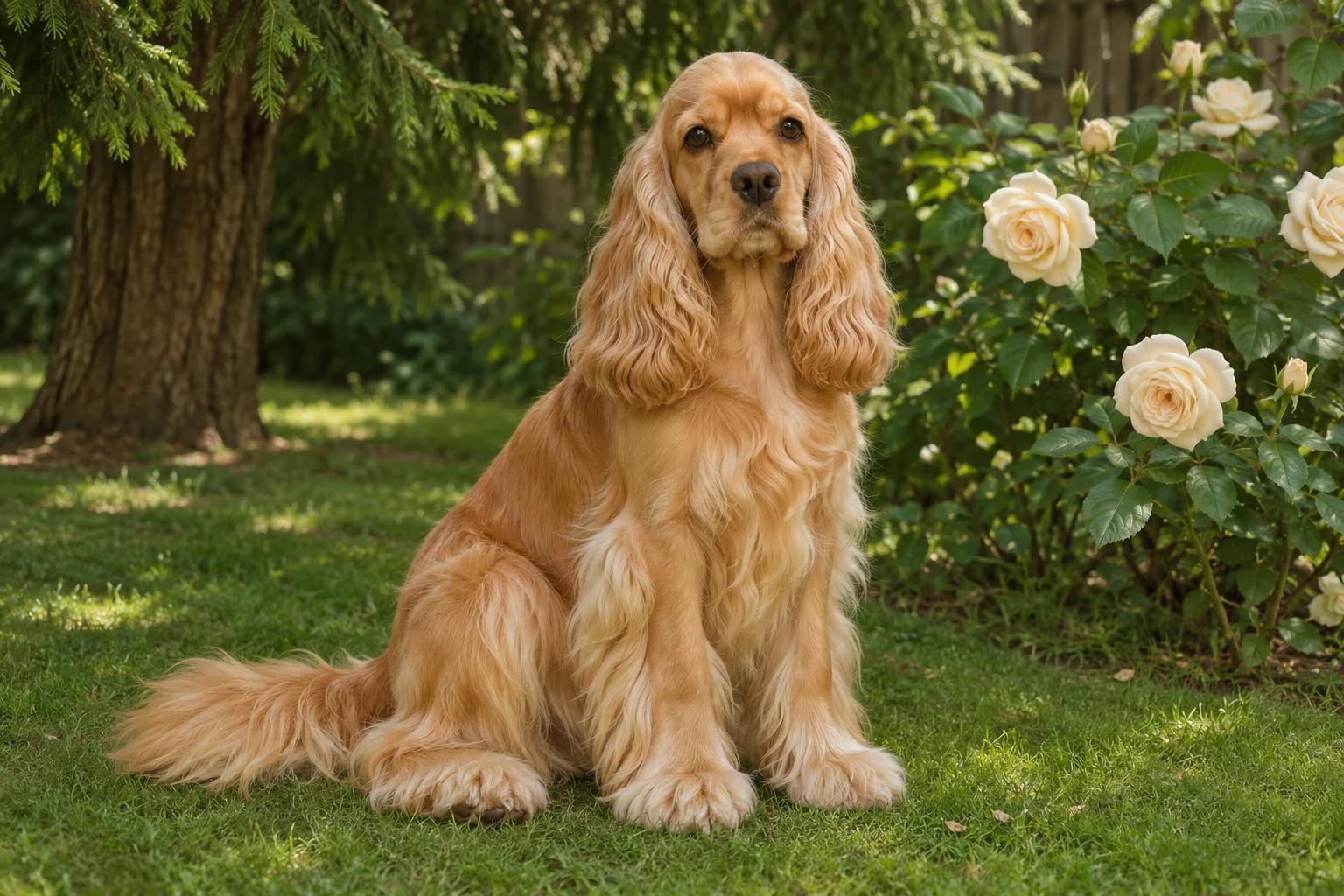
Cocker Spaniel vs English Springer Spaniel is a choice between two sporting breeds with shared appeal but different practical footprints. The American Cocker is the smaller dog in the My Breed Atlas profiles, with long, silky coat furnishings. The English Springer brings a larger frame and a profile that places more emphasis on mental engagement. Neither is simply a decorative version of the other.
This comparison uses the Cocker Spaniel and English Springer Spaniel profiles. It does not compare the English Cocker with the Springer, an important distinction when photographs, breeder descriptions or search results use “Cocker” without further explanation.
Cocker Spaniel vs English Springer Spaniel: start with size
My Breed Atlas lists male Cockers at 14.5–15.5 inches and 25–30 pounds, with females at 13.5–14.5 inches and 20–25 pounds. The Springer profile lists males at 20 inches and 45–55 pounds, and females at 19 inches and 40–50 pounds. These reference descriptions make the broad size difference clear without predicting an individual puppy's adult measurements.
That difference matters in the back seat, beside a desk and when you need to move equipment through a narrow hallway. Sketch the space for a crate or bed and keep a clear route past it. Do not select equipment solely because the label says “spaniel”; measure the dog and check the product's actual dimensions and limits.
The UKC Cocker standard describes a compact, roughly square outline. In practical terms, evaluate the whole dog rather than height alone. Your ability to guide a moving dog through a doorway depends on the arrangement of the space and the dog's learned manners, not just whether the breed is labeled small or medium.
Coat length changes the work you see
The Cocker profile describes a long, silky double coat; the Springer profile describes a medium-length double coat. A photograph of a Cocker in a short pet trim can conceal that distinction. Ask about the coat beneath the current haircut and what has been shortened, rather than assuming the pictured outline maintains itself.
VCA's Cocker guide includes brushing, combing and professional grooming in its care description. If you favor the Cocker, arrange to see the maintenance of its furnishings demonstrated before committing to a particular style. Make room for this work in your ordinary week, not only for the occasional salon appointment.
With either breed, ask what happens after a wet walk: where the dog waits, how the coat is checked and which areas repeatedly need attention. Compare those actual routines rather than treating the length label as a complete workload calculation. Both profiles record shedding at the same point on their reference scale, so a Springer is not a reliable escape from loose hair simply because its coat is shorter.
For owners exploring the Cocker's separate ear-care questions, checking is different from treating explains why noticing a change and deciding on treatment are different jobs.
Activity is shared; the learning emphasis differs
Both breeds need regular opportunities for suitable activity. Avoid promising that one individual will need a fixed fraction of another dog's exercise. Think first about the opportunities you can provide: walks with exploration, appropriate play and room to practice useful skills. Your veterinarian can advise on suitable activity for the particular dog.
The Springer profile places mental engagement above the Cocker's rating. It also rates training responsiveness higher. Those tendencies suggest giving deliberate learning a prominent place in a Springer's day, not assuming that a “smart” dog will occupy itself without your involvement. A more responsive learner still needs someone to decide what to teach.
The AKC English Springer Spaniel description emphasizes the breed's energetic bird-dog background and stamina. A household application might be choosing a repeatable search game or a training class you enjoy attending. Hunting is not a prerequisite for ownership, but a plan limited to a quick outing and unattended garden access leaves important questions unanswered.
For a Cocker, ordinary cooperative skills can carry much of the teaching agenda: walking past a distraction, returning from exploration, greeting without jumping and standing for care. Both dogs benefit when the owner enjoys the process, not just the idea of a trained result.
Compare participation, not a friendliness contest
Both profiles describe openness to new people at the same level. Their affection and playfulness scores lean higher for the Springer, but these are reference tendencies rather than a promise about how either individual will greet a guest or spend an evening.
If you are weighing a Cocker Spaniel or English Springer Spaniel, ask to observe the dog during an ordinary transition. What happens when the walk ends? Can the owner put away the lead and begin another task? Does the dog settle nearby, seek another game or need help changing activities? The answer is more useful than a staged minute of enthusiastic greeting.
Also ask how the dog has managed genuine time apart. A tendency to enjoy company does not specify a tolerable workday absence. Arrange support around demonstrated experience rather than inferring independence from either breed's size or expression.
Which practical difference matters most in your home?
The main difference between Cocker Spaniel and English Springer Spaniel for many households is the combination of physical size and care priorities. The Cocker offers the smaller frame, but its coat can make hands-on maintenance a substantial part of the routine. The Springer occupies more physical space, with a profile that calls particular attention to mental work alongside activity.
An English Springer Spaniel vs Cocker Spaniel decision becomes clearer if you compare two ordinary evenings. On one, imagine returning from a muddy route with the Cocker and making time for its furnishings. On the other, imagine making room for the Springer and still having interest in a little structured learning. Neither scene describes every dog; each exposes a commitment worth considering before choosing.
Use the breed match quiz as a starting point, then ask breeders or rescues about the actual dogs and their routines. Request examples rather than accepting “easy,” “clever” or “loving” as complete answers. The best comparison ends with a realistic care plan, not a winner selected by a single adjective.
FAQ
Is the Cocker Spaniel smaller than the English Springer Spaniel?
The My Breed Atlas reference sizes place the American Cocker below the English Springer in both height and weight. Individual measurements still matter for equipment and handling. This comparison is about the American Cocker, not the separately recognized English Cocker Spaniel.
Which breed needs more exercise?
Both breeds need a workable activity plan based on the individual dog, not a fixed exercise dose inferred from a breed label. The Springer profile gives greater emphasis to mental engagement, which is a reason to plan learning opportunities rather than merely adding distance.
Does choosing a Springer avoid shedding?
No. Both profiles record shedding at the same level. Their coat lengths differ, but neither description promises a hair-free home. Discuss the specific dog's coat and maintenance routine rather than choosing from the appearance of a freshly groomed photograph.
Sources behind this article
Article source checked: November 15, 2026. Source checked 2026-11-15
Keep reading

Affenpinscher vs Brussels Griffon: Everyday Differences
Read article →