Cockapoo Grooming: Plan Care Around the Actual Coat
Plan Cockapoo coat care, manageable trims, handling practice, and grooming visits around your individual dog.
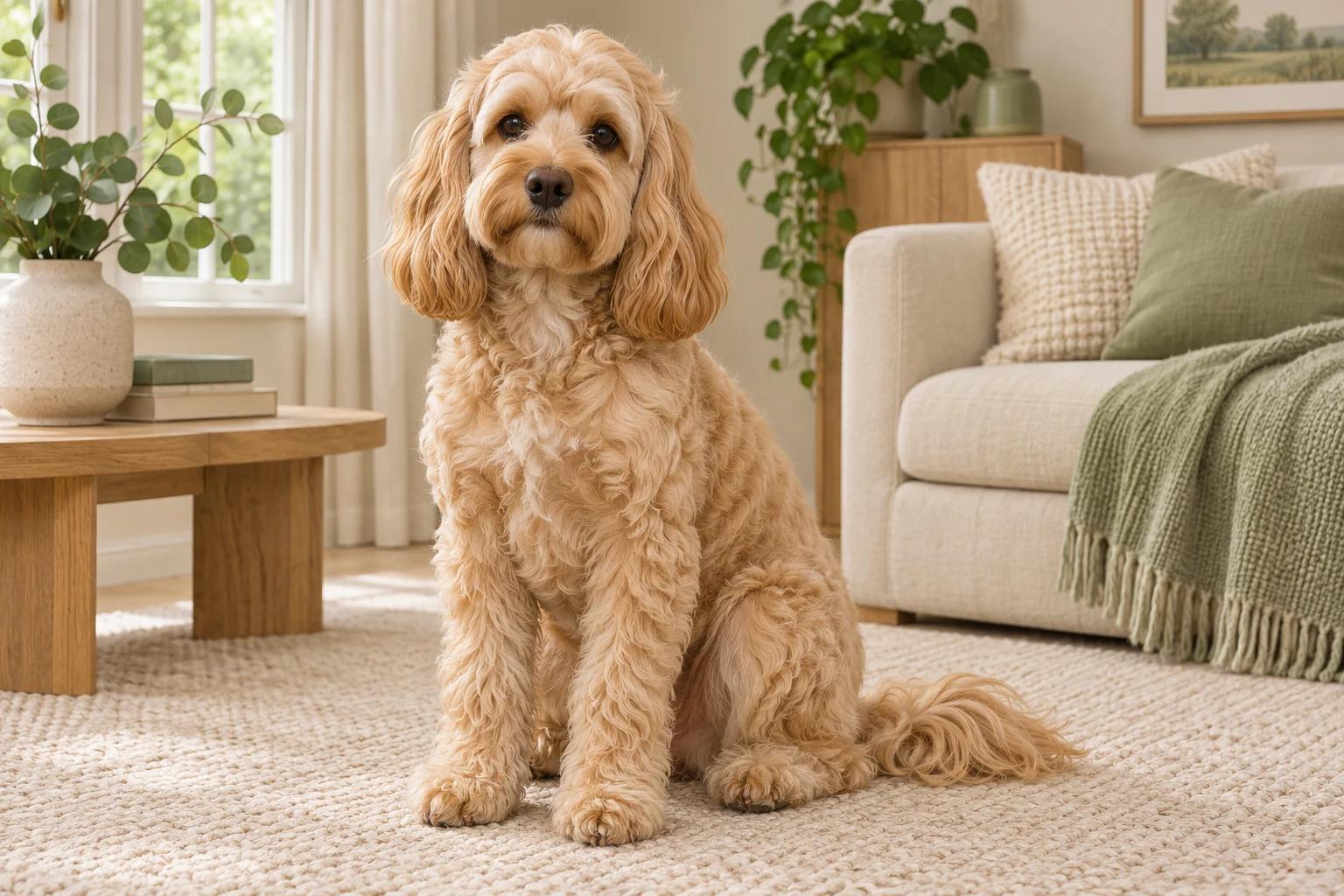
Cockapoo grooming should be planned around the coat you can inspect, not the coat you expected from a puppy photograph. Waves, curls, length, and ease of combing can differ between dogs. A useful routine combines regular home work with a groomer's assessment, and makes the dog's willingness to be handled part of the plan from the beginning.
Cockapoo grooming starts with the actual coat
The British Cockapoo Society's ownership guide emphasizes variation in coat texture and visible moulting. VCA's Cockapoo overview includes brushing, combing, and professional clipping in care planning. Neither gives you permission to treat every Cockapoo's coat as the same job.
At the first grooming consultation, ask the professional to show you the dog's coat in sections. Which areas are straightforward to maintain? Where does your technique need to change? Ask for a demonstration using the actual tools recommended, then try the movement under supervision. A list of products is less useful than knowing how to recognize when a section is properly cared for.
Do not buy an entire grooming kit before that conversation. Start with the tools you can use comfortably and correctly. A tool that looks thorough in a demonstration can be unhelpful if it catches the coat or encourages you to pull when you encounter resistance.
Choose a length you can maintain
A long, rounded outline may be appealing, but discuss the home work it requires before asking a groomer to preserve it. Explain how much time you can realistically spend, whether your dog enjoys brushing, and how often you can attend appointments. A practical trim is a shared decision about upkeep, not simply a choice from a gallery.
Bring photographs to clarify your preference, while acknowledging that another dog's coat may behave differently. Point out what you like: a shorter body, a particular face outline, or less furnishing hair. Ask what is feasible on this dog without promising an identical result.
Agree in advance about how the groomer should contact you if tangles or handling difficulties change the plan. A clear conversation is preferable to assuming that length must be preserved at all costs. Comfort and manageable care should take precedence over reproducing a photograph.
Make home sessions easy to begin and end
Choose a location with secure footing and enough light to see what you are doing. Lay out the tools before inviting the dog over. If you work on the floor, arrange yourself so you do not have to lean over the dog throughout the session. Ask a professional about alternatives if your own mobility makes access difficult.
Break Cockapoo coat care into sections you can complete calmly. Start with an area the dog accepts, pause to reward cooperation, and stop before either of you becomes frustrated. If you leave another area for later, make a note. Repeatedly brushing only the easy top surface can create the impression of a complete routine without addressing the whole coat.
When a comb meets resistance, do not use more force to finish the stroke. Stop and inspect what you can see. Ask a groomer for help with mats, especially close to the skin. Do not cut into them with household scissors or keep pulling because the dog is almost finished.
Teach handling separately from the haircut
The British Cockapoo Society recommends an early introduction to grooming visits and handling. Apply that as a learning opportunity rather than making the first appointment an endurance test. Ask the groomer what introductory visits are possible and what you should practise beforehand.
At home, you can reward the dog for approaching the care area, standing briefly, or accepting a gentle touch in an easy place. Introduce one piece at a time. A brush appearing, a person reaching, and an unfamiliar sound happening together may be a much bigger task than you intended.
If the dog moves away, pause and make the next attempt simpler. Tell the groomer which parts are comfortable and which remain difficult. That information is more helpful than describing the dog as naughty. Sudden sensitivity or apparent discomfort warrants veterinary advice rather than more practice through the problem.
Understand what shedding does and does not tell you
Cockapoo shedding is not a reliable shortcut for deciding maintenance needs. The society notes that visible moulting differs, while coat attention remains important. Do not judge your routine successful simply because you see little hair on the furniture. Inspect and maintain the coat itself.
Keep washable covers where the dog rests, and clean your grooming tools as their manufacturer directs. This separates household cleaning from work on the dog. It also gives you a realistic sense of the full commitment rather than counting only the minutes spent holding a brush.
Avoid making a haircut decision based on a promise about allergy compatibility. A coat description or low visible hair loss cannot establish how a particular household will respond. This grooming plan concerns maintenance and handling, not an assurance about allergies.
Plan for outings and appointments
After muddy or wet outings, check the places you cannot see while the dog is walking beside you. Look at lower furnishings and the areas beneath removed equipment. Deal gently with loose surface debris, and ask for help when something is caught tightly. Keep a towel and washable resting area ready so cleanup does not have to become a hurried struggle.
Discuss bathing and drying with the groomer before attempting them at home. Make sure you can manage access, products, rinsing, and drying appropriately for this coat. Do not apply skin treatments or pursue a cosmetic change in response to irritation; that belongs with your veterinarian.
When learning how to groom a Cockapoo, the most useful appointment may be the one that improves what happens between visits. Request a clear home-care demonstration, a plan suited to the coat, and signs that mean you should contact the groomer sooner. Your Cockapoo profile is a starting point, not a replacement for that individual assessment.
The breed match quiz can help compare grooming time with your wider household commitments. For a separate topic, our article on reading Cockapoo health claims looks at evidence behind marketing statements; it is not a coat-care guide.
FAQ
Do all Cockapoos need the same grooming routine?
No. Coat texture, length, condition, and handling experience differ. Ask a groomer to assess the individual dog and demonstrate the tools and technique that fit the coat you are maintaining.
Does a short trim remove the need for brushing?
A short trim does not automatically replace home coat care. Agree on maintenance with the groomer and keep checking the dog between appointments. The routine should reflect the actual coat rather than the name of the haircut.
What should I do if my Cockapoo dislikes grooming?
Pause and separate the task into easier pieces, such as approaching the care area or accepting brief gentle handling. Discuss the difficulty with a groomer or reward-based trainer. Ask a veterinarian about sudden sensitivity or signs of discomfort.
Sources behind this article
Article source checked: November 15, 2026. Source checked 2026-11-15
Keep reading

Affenpinscher Grooming: A Practical Coat-Care Routine
Read article →