Chow Chow Temperament: Reserved Company in Real Life
Understand Chow Chow temperament through companionship, visitors, handling and shared space, with practical questions about the individual.
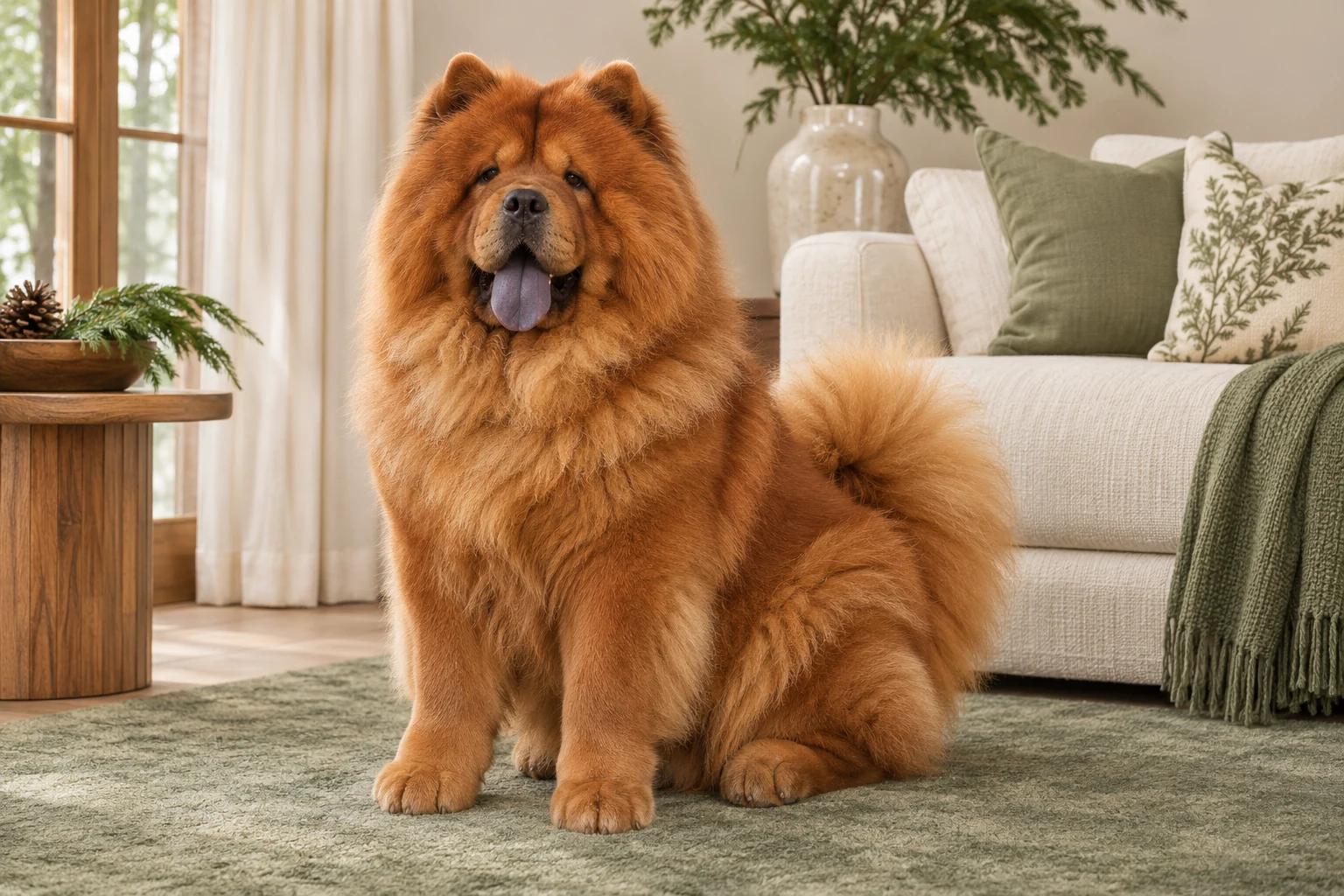
Chow Chow temperament can appeal to people who enjoy a more reserved companion, but “reserved” needs a practical meaning before it becomes a reason to choose the breed. Are you comfortable with a dog that may prefer observation to immediate interaction? Can you give guests clear instructions and make room for care routines without expecting an endlessly demonstrative response?
The Chow Chow profile introduces the wider commitment. Understanding personality means going beyond the striking outline and considering what companionship, visitors, handling and shared space would look like in your own home.
Chow Chow temperament: seriousness is not a diagnosis
The AKC's Chow Chow introduction emphasizes dignity, seriousness and aloofness. VCA's breed guide describes a dog that may be devoted without being particularly demonstrative and reserved around strangers. These are broad tendencies, not explanations for every action you might observe.
Do not diagnose mood from the breed's characteristic expression. Watch what the dog does in the situation: approaches, stays at a distance, turns away, seeks contact or moves to another place. Ask the caregiver what is normal for that individual and how the response changes with familiar people.
A dog resting quietly across the room may offer exactly the companionship one owner enjoys. Another owner may feel disappointed unless the dog frequently initiates games and welcomes every guest. Neither expectation disappears just because the coat and expression are appealing. Be honest about the interaction style you want.
Think about the home you actually open to others
A household with frequent deliveries, visiting friends and changing caregivers needs a plan for introductions. It is not enough to say that a Chow will recognize who is welcome. People know the purpose of a visit; the dog still has to experience it.
Start with the physical arrangement. Can someone enter without stepping over the dog? Is there a comfortable area away from the entrance? Can a visitor put down bags and sit before anyone decides whether an interaction should happen? These details help you avoid making the doorway the center of every encounter.
Give guests simple instructions that do not depend on them reading canine body language perfectly. They can leave the dog alone, avoid reaching over it and let you manage the routine. Do not encourage a visitor to test whether the Chow is “really friendly” by approaching more closely.
If your work requires unfamiliar people moving around the home, plan that separately from social visits. A tradesperson carrying equipment may need a dog-free workspace. Comfortable separation is a household arrangement to prepare, not a rejection of the dog.
Affection does not remove the need for handling skills
The rough-coated Chow's appearance can invite touching from people who do not know the dog. Decide in advance how you will respond when someone wants to hug it or bury their hands in the coat. You can decline an interaction without making a judgment about the stranger or the dog's character.
At home, separate companionship from necessary care. Enjoying a familiar person's presence does not automatically mean the dog understands brushing, equipment changes or an examination. Teach and practice handling thoughtfully, and work with professionals where needed.
Ask a caregiver which care tasks are comfortable and which need support. “Fine with grooming” is less informative than knowing whether the dog accepts a brush on all areas, how appointments are organized and whether breaks are used. If touch becomes newly uncomfortable, seek veterinary advice rather than putting the change down to Chow Chow personality.
Sharing space with another dog
Do not assume that a reserved companion will enjoy a busy social life with unfamiliar dogs. VCA raises caution about interactions with strange dogs. The useful response is individual assessment and thoughtful arrangements, not a blanket prediction that every Chow will or will not live with another dog.
If you already have a dog, discuss both histories with the organization or caregiver involved. Ask about extended experience sharing a home, not only passing encounters outdoors. Consider resting arrangements, access to people and how each dog handles another moving nearby.
Prepare separate places and avoid relying on the animals to settle disagreements without help. A qualified professional can advise on introductions when there is uncertainty. The same seriousness applies to interactions with children and other animals: supervision and the actual relationship matter more than a breed reputation.
You may also decide that a home built around frequent dog-park visits is not the lifestyle you want to arrange for this individual. There are other ways to enjoy outdoor time together. Sociability is not a competition, and an owner does not need to manufacture a busy canine social calendar.
Quiet behavior and time alone are different questions
A composed appearance should not be used as evidence that a Chow can manage any length of absence. Ask what the dog has actually experienced: who was present, where it stayed and how the caregiver knows what happened. Resting while someone works nearby and being alone after a departure are different situations.
Make your own schedule concrete. Include commuting, errands and the occasions when an ordinary day becomes longer. Arrange support while learning what the dog can handle, rather than assuming an independent reputation will cover gaps in the plan.
If absences produce distress, consult a veterinarian and an appropriately qualified behavior professional. Do not treat another dog, a larger room or a particular toy as an automatic fix. The problem needs to be understood before the household commits to a solution.
Describe Chow Chow behavior without turning it into a story
Words such as proud, stubborn and protective can hide useful information. Replace them with an account: “stayed behind the chair while the visitor entered,” “walked away when the brush appeared,” or “returned to the same resting place after the walk.” Such observations help you decide what to ask next.
Look for patterns across days and settings rather than making a permanent judgment from one encounter. A prospective owner should seek recent examples, including ordinary routines, and be clear about which experiences remain unknown.
The most helpful Chow Chow characteristics are those you can connect to a workable relationship. Use the breed-match quiz to consider your own preferences. For a separate question about appearance, read why tongue spots do not establish Chow ancestry. Neither appearance nor a personality adjective replaces knowing the individual dog.
FAQ
Are Chow Chows affectionate?
A Chow may show attachment without frequent exuberant displays. Ask how the individual seeks company and responds to familiar people rather than using a single affection label. Quiet companionship may suit one household well and differ from another household's expectations.
Does an aloof Chow Chow dislike people?
Aloofness describes a style of interaction, not proof of dislike or a diagnosis. Give the dog space and observe its choices. Do not force greetings to change a label, and seek help if encounters are consistently distressing or difficult to manage.
Can a Chow Chow live in a busy household?
The answer depends on the dog and the household's arrangements. Consider visitors, handling, rest, other animals and the ability to provide separate space. A busy home needs deliberate management and individual assessment rather than relying on either a reassuring or alarming breed stereotype.
Sources behind this article
Article source checked: November 15, 2026. Source checked 2026-11-15
Keep reading

Airedale Terrier Temperament: What Everyday Life Can Feel Like
Read article →