Chow Chow Grooming: A Practical Coat-Care Plan
Plan Chow Chow grooming for rough and smooth coats, with section-by-section care, comfortable handling and clear questions for a groomer.
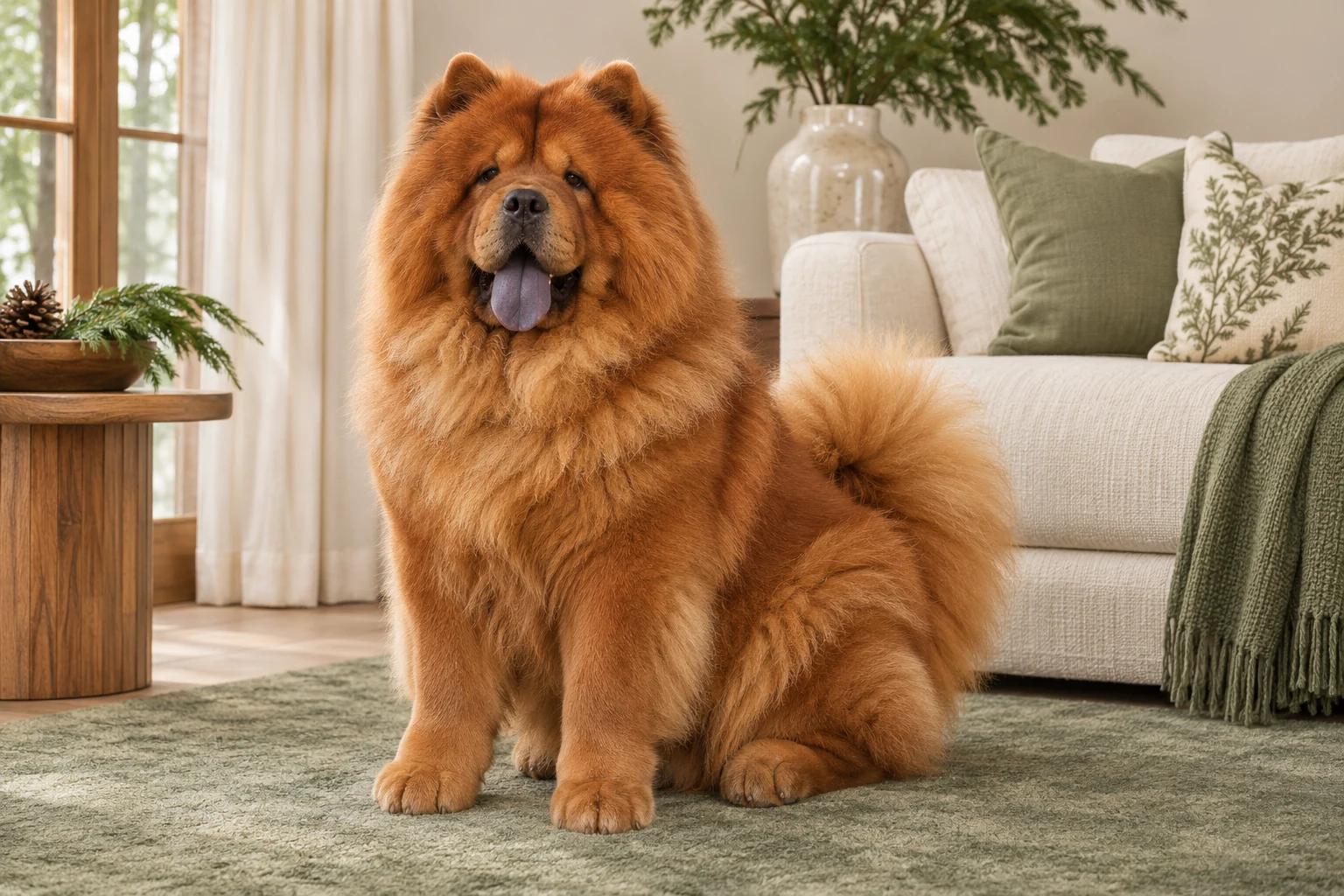
Chow Chow grooming is a coat-access job, not just a surface-polishing job. A full-looking outer coat can conceal areas that have not been worked through, so the useful question is whether your routine reaches the coat underneath without pulling or making the dog dread the next session. A workable plan combines an appropriate technique, comfortable handling and professional help where needed.
Before buying a drawerful of tools, identify the coat you are caring for. The Chow Chow profile includes rough and smooth varieties. Both deserve a deliberate maintenance plan; a less dramatic outline does not mean there is no undercoat to consider.
Chow Chow grooming: rough and smooth coats
VCA's Chow Chow guide describes a rough coat that stands away from the body and a smooth coat that lies closer, with a woolly undercoat in both varieties. It distinguishes their brushing demands rather than treating them as one identical coat.
For an owner, that distinction is a reason to ask for a demonstration on the actual dog. A method that looks effective on a photograph may not suit the coat in front of you. Ask the groomer to show what a workable section looks and feels like and how to recognize a place that needs professional attention.
Do not judge completion only by the mane looking tidy. A session should have a clear scope, such as checking and working through an agreed area comfortably. It is better to know which areas are finished than to make a hurried pass over the whole outline and assume everything underneath is done.
Learn the technique before increasing the effort
The Chow Chow Club's grooming guidance emphasizes working in small sections and reaching through the coat rather than merely brushing its surface. It also describes using a comb to check the work. Those principles are more useful than trying to imitate the force or speed of an experienced groomer.
Have someone competent show you how to separate the coat gently and how the selected tool should pass through it. Ask where the tool should stop, what resistance means and which areas are awkward to reach. If you cannot tell whether you are meeting a tangle or pulling skin, stop and ask rather than pressing harder.
Avoid turning a stuck comb into a test of determination. Tight matting, areas close to skin and any apparent discomfort are reasons to involve a professional. Do not cut blindly into a dense patch or use scissors near skin you cannot clearly see.
Set up for a dog that can participate
Choose a quiet, uncluttered place with stable footing and enough room to change position. Put tools within reach before inviting the Chow over, so you do not repeatedly leave and restart. A practical home setup matters more than making it resemble a salon.
Separate handling practice from the ambition to complete a full groom. Introduce the brush, a brief comfortable touch and an easy finish before expecting prolonged work. If the dog cannot remain comfortable, discuss a gradual plan with a reward-based trainer and the groomer. Do not use restraint or persistence to force your way through an entire session.
Make the handover between household members clear. If one person has completed the shoulders but not the rear area, record that. Otherwise, the easy sections may receive repeated attention while the awkward ones are quietly missed. A simple body-area checklist can be more useful than an elaborate calendar.
Plan Chow Chow coat care between appointments
A salon appointment and home maintenance should connect. Ask what you are expected to do between visits, which tools the groomer recommends for this coat and how to recognize when the planned interval is no longer working. Agree on who handles tasks you are not trained or comfortable doing.
For bathing, discuss products, rinsing and drying before beginning at home. A dense coat makes it important to have the whole process planned, not simply access to a tub. If you lack suitable equipment or your dog struggles with the process, book professional help rather than improvising a lengthy session.
Do not use an online grooming routine to treat skin changes. Redness, sores, unusual odor, persistent itching or a newly painful response need veterinary assessment. A groomer can report what they observe, but the cause and treatment are veterinary questions.
Chow Chow shedding and household expectations
Plan for loose hair without making every shed hair a problem to eliminate. Keep washable covers where your dog regularly rests, and decide where brushed-out hair and cleaned tools will go. These mundane arrangements make coat care easier to repeat than a promise that one grooming session will leave the house hair-free.
Use changes as information. If you are finding more loose coat than usual, ask whether the current maintenance plan needs adjusting. If the change includes skin concerns or patchy loss, contact the veterinarian. Do not assume that more vigorous brushing is the answer to every change in appearance.
Neither a shorter-looking coat nor a grooming style establishes allergy suitability. Likewise, coat care should not be presented as a guarantee against skin problems. The practical objective is a maintainable coat and tolerable routine, not a universal outcome.
What to tell a prospective groomer
Describe your Chow's experience honestly: which parts of handling are familiar, which tools have been used and where you have had difficulty. Tell the groomer if there are areas you have not been able to check. A clear account is more useful than arriving with a photo and asking for the same silhouette.
Ask how the appointment will proceed if the dog needs breaks or cannot comfortably complete a task. Request contact before a material change to the agreed grooming plan. An appropriate first appointment may prioritize assessment and a manageable experience rather than every cosmetic detail.
For a separate appearance question, read why a tongue spot does not prove Chow Chow ancestry. If you are still considering ownership, use the breed-match quiz and include the time and assistance coat care would require in your decision.
FAQ
How to groom a Chow Chow without missing the undercoat?
Ask an experienced groomer to demonstrate gentle section-by-section work on your dog and how to check it with an appropriate comb. Brushing only the outer surface is not a complete assessment. Stop at tight matting or discomfort rather than forcing tools through it.
Does a smooth Chow Chow need grooming?
Yes. The smooth variety still has an undercoat, although its maintenance differs from the rough variety. Get a routine suited to the individual coat and check its condition between appointments. A closer-fitting outer coat should not be mistaken for an absence of grooming work.
How often should I book professional grooming?
Choose the interval with a groomer who has assessed your Chow's coat and your home-maintenance routine. Adjust it when the plan is not keeping the coat manageable. There is no single booking frequency that accounts for every coat, handling history and household's skills.
Sources behind this article
Article source checked: November 15, 2026. Source checked 2026-11-15
Keep reading

Affenpinscher Grooming: A Practical Coat-Care Routine
Read article →