Chinook Dog Temperament: Company and Daily Life
Explore Chinook dog temperament through company, visitors, time alone and shared routines, with useful questions about an individual dog.
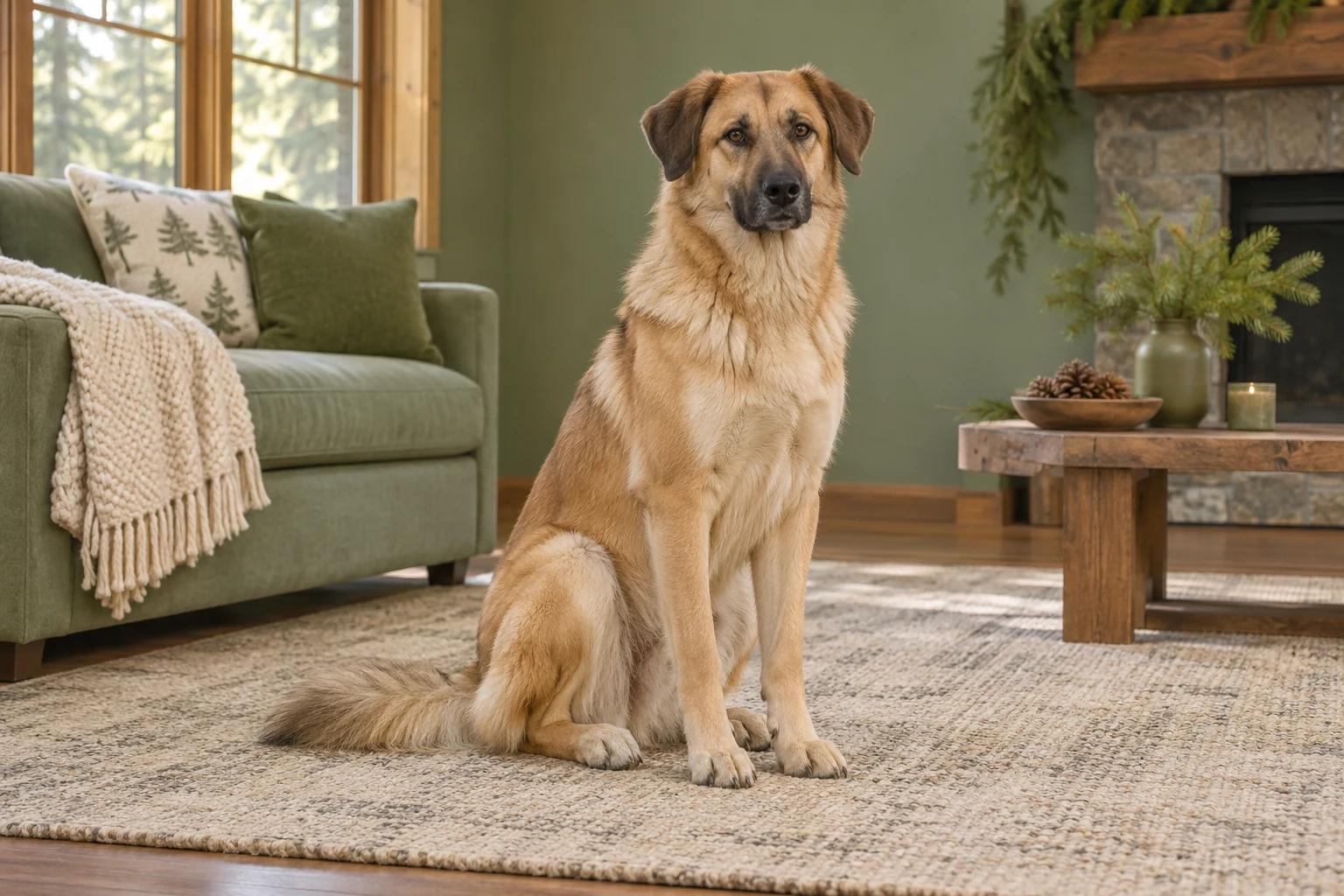
Chinook dog temperament is often described with reassuring words such as patient, devoted and willing. The important ownership question is what those words look like across an ordinary week. A companion can enjoy working with you, need time around unfamiliar people and still require deliberate help learning when the household is unavailable.
Start with the Chinook breed profile, then picture your real home: departures before work, deliveries during meetings, shared walks and evenings when nobody is planning an adventure. Those settings reveal more about fit than imagining a dog beside you on one perfect trail.
Chinook dog temperament: company with a working thread
The AKC introduction to the Chinook highlights intelligence, patience and devotion. The UKC standard describes a willing disposition while allowing reserve with unfamiliar people or surroundings. Together, these descriptions suggest questions worth asking, rather than a promise that every Chinook will respond the same way.
What does the dog choose when familiar people are home? Does it bring an invitation to interact, follow a person between rooms or settle within sight? What happens when a familiar routine changes? Ask for recent examples from the caregiver, including uneventful days. A description of a pleasant weekend visit cannot tell you much about the rest of the week.
You do not need to want a competitive sport to value cooperation. You might enjoy practicing a new cue while dinner cooks or exploring a different walking route together. What matters is whether shared activity feels like part of the relationship you want, rather than another task you hope the dog will eventually stop requesting.
Read friendliness and familiarity separately
A welcoming relationship with familiar people is not the same as immediate enthusiasm for strangers. When discussing Chinook dog personality, ask how introductions unfold. Does the dog investigate quickly, prefer to watch first or remain nearby without approaching? How does that change outdoors compared with inside the home?
For a household that receives frequent visitors, a practical arrangement is more useful than expecting universal sociability. Identify a comfortable area away from the front door. Have guests enter and sit down before deciding whether an introduction is appropriate. Tell people in advance that calling, reaching and crowding are not required.
Consider the visitors you actually receive. A quiet friend arriving alone creates a different scene from several people carrying bags through a narrow hallway. If your dog handles the first comfortably, that does not mean you should jump immediately to the second. Change the setting in manageable steps and retain a way to end the interaction.
Ask what happens when company ends
A prospective owner should explore time alone as its own subject. “Loves people” does not tell you whether a particular Chinook can settle during your workday. Nor does the fact that a dog rests beside its caregiver demonstrate what happens after the caregiver leaves.
Ask about the current routine in concrete terms: where the dog stays, who else is present, what departures look like and how the caregiver knows what happens afterward. A dog that has always had another person at home may have little experience with the arrangement you are proposing.
Plan transitions rather than making the first absence your longest one. Arrange practical cover while learning what the dog can manage. If there is distress, get help from a veterinarian and an appropriately qualified behavior professional. A larger yard or another dog should not be presented as an automatic solution to difficulty being alone.
Discuss noise before choosing housing
Noise tolerance is an ownership issue worth raising directly. Ask when the individual dog vocalizes: during preparation for a walk, when people pass outside, when separated from company or in another specific situation. Ask what the caregiver has observed, not whether they would describe the dog as “quiet enough.”
In a shared building, think through the route from the apartment to outdoors. A lift lobby, echoing stairwell and busy entrance can create several encounters before the walk has begun. Your planning may include quieter departure times, a route with more space and a resting area away from constant corridor traffic.
Do not promise neighbors that a breed description means all noise will disappear after training. Equally, do not assume every sound has the same cause. A useful record connects the situation with what happened before and afterward; persistent difficulty calls for individual guidance rather than a louder correction.
Other dogs are relationships, not a breed label
Team work appears in the Chinook's background, but it is not a household compatibility certificate. If you already have a dog, compare both animals' actual routines: preferred play, rest, access to people and experience sharing space. Ask how the Chinook has behaved with known dogs over time, not just during one introduction.
Before bringing dogs together, make room for separate resting places and individual attention. Avoid organizing the first meeting around crowded doorways, valued toys or food. A qualified professional can help plan introductions when there is uncertainty about either dog's responses.
The same principle applies to children and other animals: supervision, management and the individual relationship matter. A temperament label is not permission to leave interactions unmanaged. Choose arrangements that allow everyone space rather than expecting patience to cover every mistake.
Notice Chinook dog behavior across ordinary transitions
Transitions offer useful observations. Watch the change from a walk to indoor rest, from visitors arriving to conversation settling, and from active attention to someone opening a laptop. Does the dog know where to go next, or does the routine simply become unclear?
Write down patterns without turning them into personality verdicts. “Waits by the cupboard when the lead comes out” tells you more than “demanding.” “Moves away when several people approach” is more helpful than “unfriendly.” Concrete observations help a trainer understand your question and let you recognize changes over time.
The most useful Chinook dog characteristics are the ones you can connect to a workable home life. Use the breed-match quiz to consider your time, space and preferences. For background distinct from temperament, read why the Chinook conservation program introduces new founders. Population history and everyday companionship answer different questions.
FAQ
Does a Chinook need constant attention?
A Chinook's interest in company does not establish a need for uninterrupted interaction. Ask about the individual dog's ability to rest while people are occupied and its experience with absences. Build a routine that includes shared activity, quiet periods and appropriate support when people are away.
Are Chinooks immediately friendly with strangers?
Not necessarily. The UKC description allows reserve in unfamiliar situations. Give a Chinook room to observe and choose whether to approach. A comfortable introduction does not have to include touching, and a visitor should not pressure the dog to participate.
Can a Chinook live with another dog?
Some Chinooks do, but a breed's team-working background does not settle compatibility. Consider both dogs' behavior, routines and needs, arrange thoughtful introductions and provide separate space. Seek professional help when the existing relationship or either dog's history raises concerns.
Sources behind this article
Article source checked: November 15, 2026. Source checked 2026-11-15
Keep reading

Airedale Terrier Temperament: What Everyday Life Can Feel Like
Read article →