Chinook Dog Exercise Needs: A Workable Daily Plan
Plan Chinook dog exercise needs around varied walks, learning and everyday routines, without turning sled-dog history into a mileage target.
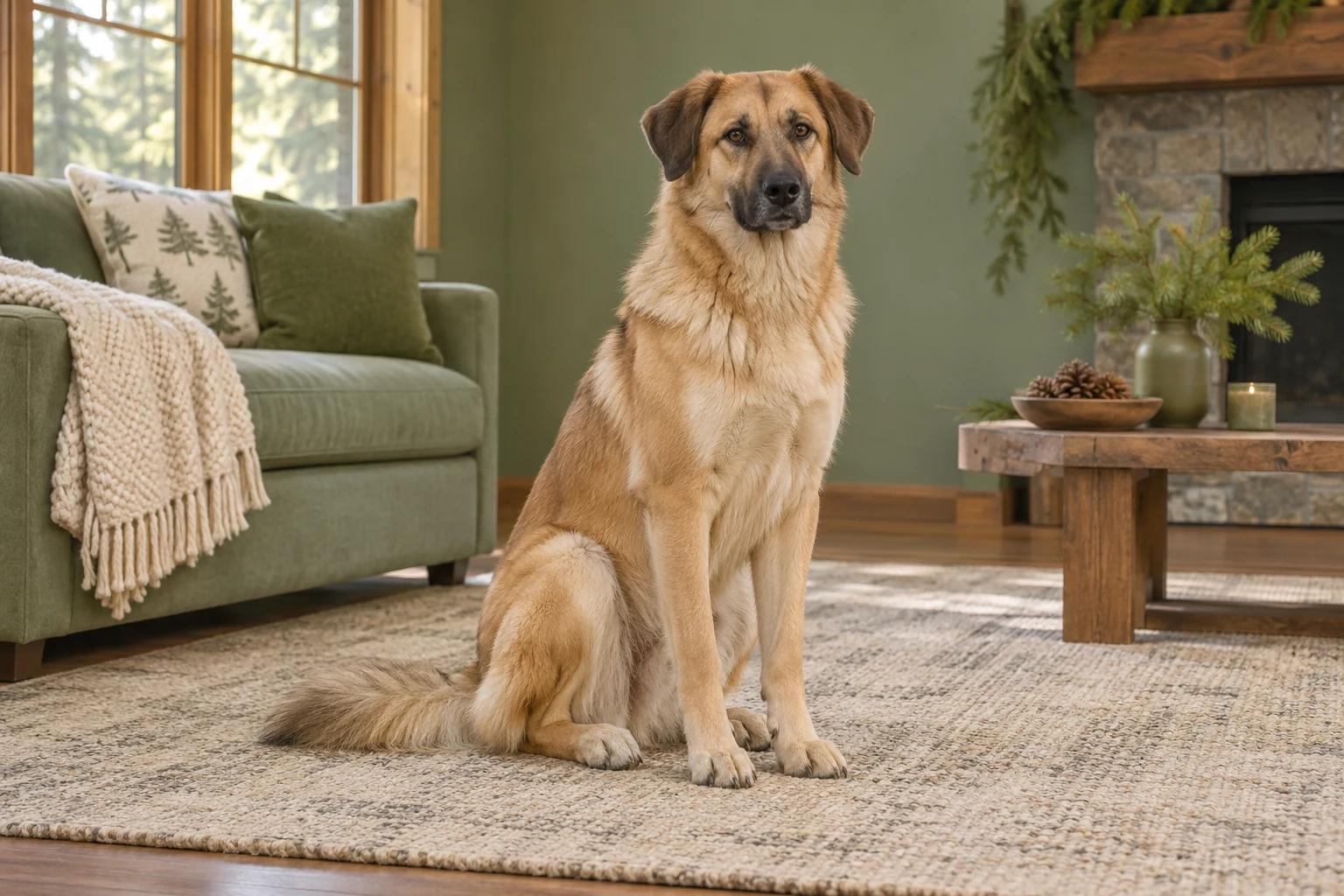
Chinook dog exercise needs are easier to plan when you separate useful daily activity from the image of an expedition dog. A sustainable routine includes movement, opportunities to investigate, some learning and a practical return to rest. The target is a day that works for your particular companion, not a mileage total chosen from the breed's history.
The Chinook profile offers a starting point for the wider ownership commitment. Before choosing activities, look honestly at the routes near your home, the time you can protect on workdays and the arrangements available when your usual plan falls through.
Chinook dog exercise needs beyond sled-dog history
The UKC standard records the Chinook's sled-working development. The AKC breed introduction pairs its working identity with intelligence and devotion. Those facts explain why purposeful shared activity is an appealing theme, but neither gives an exercise prescription for your dog.
A companion's plan should begin with current experience, age and individual circumstances. Ask the veterinarian about appropriate activity before introducing demanding exercise, particularly when taking on an unfamiliar dog or considering a new sport. A puppy, a practiced adult and an older companion should not receive the same itinerary simply because they share a breed name.
Write down what already happens rather than starting with an ambitious target. Include toilet outings, exploratory walks, play, learning and time spent resting. This makes it easier to identify a missing kind of activity without assuming the answer is always more speed or distance.
Build the weekday before planning the weekend
Your most useful schedule is the one you can repeat on a busy Tuesday. Choose a reliable opportunity for an outing, an alternative when that slot is disrupted and a person who can help if work runs late. The backup matters as much as the attractive weekend route.
Think in purposes rather than a rigid timetable. One outing might prioritize unhurried investigation; another might include a quieter stretch for walking together. A separate indoor session could introduce a simple search game or practice a familiar cue. These are different experiences, not interchangeable units to add up on a chart.
Avoid storing all your expectations in one long weekend excursion. If the week is unusually inactive, a demanding Saturday should not become repayment. Choose an outing suited to the dog's current routine and leave room to adjust or turn back. A plan that permits a shorter route is often more usable than one that succeeds only if everything goes perfectly.
Make a Chinook dog daily walk interesting
Draw a simple map of your usual neighborhood loop and mark its different features: quiet verge, narrow pavement, busy crossing, open sightline and possible stopping place. Decide which sections are for exploration and which require closer coordination. That gives the walk shape without asking for continuous formal obedience.
At a quiet part of the route, pause long enough for your dog to investigate within the space available. Elsewhere, practice a turn together or a brief check-in before moving on. You are offering different jobs within one outing rather than simply walking faster because the dog belongs to a working breed.
If the route repeatedly forces close encounters, look for another option. An earlier departure, a different side street or a wider path may improve the experience more than extending the distance. The route must work for the handler too: carrying supplies and controlling the lead should not depend on balancing everything while being pulled through a bottleneck.
Use suitable equipment and obey local lead rules. Recall practice belongs in secure or appropriately managed settings; enthusiasm for exploring is not evidence that a dog can be given unrestricted access to roads, wildlife or other walkers.
Give thinking a place in the activity plan
A home activity can be purposeful without becoming a strenuous workout. For example, place a familiar toy in an obvious location and invite your Chinook to find it. Keep the first version simple enough that the dog understands the game, then vary the location rather than making several changes at once.
Another option is a small walking pattern in a clear room or enclosed space: move together toward a marker, turn and pause. Keep the floor uncluttered and do not add jumps or slippery turns to make it look more like a sport. The point is communication, not improvised athletic equipment.
Choose activities your dog actually engages with. If a toy search holds little interest, try a different shared task instead of insisting that every Chinook should enjoy it. Likewise, indoor games supplement outdoor opportunities; they are not a reason to ignore access to toileting, fresh surroundings or ordinary movement.
Explore sports without making them compulsory
An owner attracted to harness work can contact an experienced club or instructor to learn what preparation involves. Ask about equipment, introductory skills, conditions for stopping and how they assess whether a dog is ready. Veterinary guidance and competent instruction should precede demanding activity, not follow a trial run with improvised gear.
You can also enjoy a Chinook without choosing a pulling sport. A well-planned companion routine does not need to recreate historical work. Focus on an activity you can learn responsibly and continue to enjoy together rather than choosing one because the breed's story makes it seem obligatory.
If you are comparing possibilities, observe an introductory session before committing. Notice whether the instructor accommodates different starting points and lets handlers step out. That tells you more about the experience you would be buying than a description of the most advanced teams.
Review the whole day, not just the outing
When judging a Chinook dog activity level, keep brief notes about what happened and what followed. Record the route, the kind of play or learning and whether the dog could return to its usual rest routine. This is a way to prepare useful questions, not a home diagnostic test.
Do not automatically answer restlessness by adding harder exercise. The setting, unfamiliar events or an unclear routine may deserve attention. Sudden changes in willingness to move, apparent discomfort or other health concerns belong with a veterinarian rather than an online activity calculator.
For your own planning, the breed-match quiz helps compare preferences and everyday availability. The separate article on the Chinook conservation program's new founders covers population records, not exercise requirements. Keep those two kinds of research separate when deciding what your dog needs today.
FAQ
How much exercise does a Chinook dog need?
There is no single duration that fits every Chinook. Build a consistent mix of suitable movement, exploration and learning around the dog's current circumstances. Ask a veterinarian for individual guidance when age, health history or a proposed demanding activity changes the planning question.
Must a Chinook pull a sled to be fulfilled?
A Chinook does not need a household to reproduce historical sled work. Shared walks, learning and other appropriate activities can form a companion routine. Anyone interested in a pulling sport should seek suitable instruction and an individual assessment before beginning demanding work.
Does a yard replace a daily walk?
A yard provides a useful space, but it does not automatically supply varied activity or shared engagement. Plan how your Chinook will use it, maintain secure boundaries and include appropriate opportunities beyond it. The overall routine matters more than simply having outdoor square footage.
Sources behind this article
Article source checked: November 15, 2026. Source checked 2026-11-15
Keep reading

Afghan Hound Exercise Needs: Build a Workable Active Day
Read article →