Cavalier King Charles Spaniel Grooming: Beyond a Pretty Coat
Plan Cavalier coat care around feathering, comfortable handling and clear groomer instructions, without confusing show style with pet care.
Explore the
Cavalier King Charles Spaniel
Background, care, and everyday considerations.
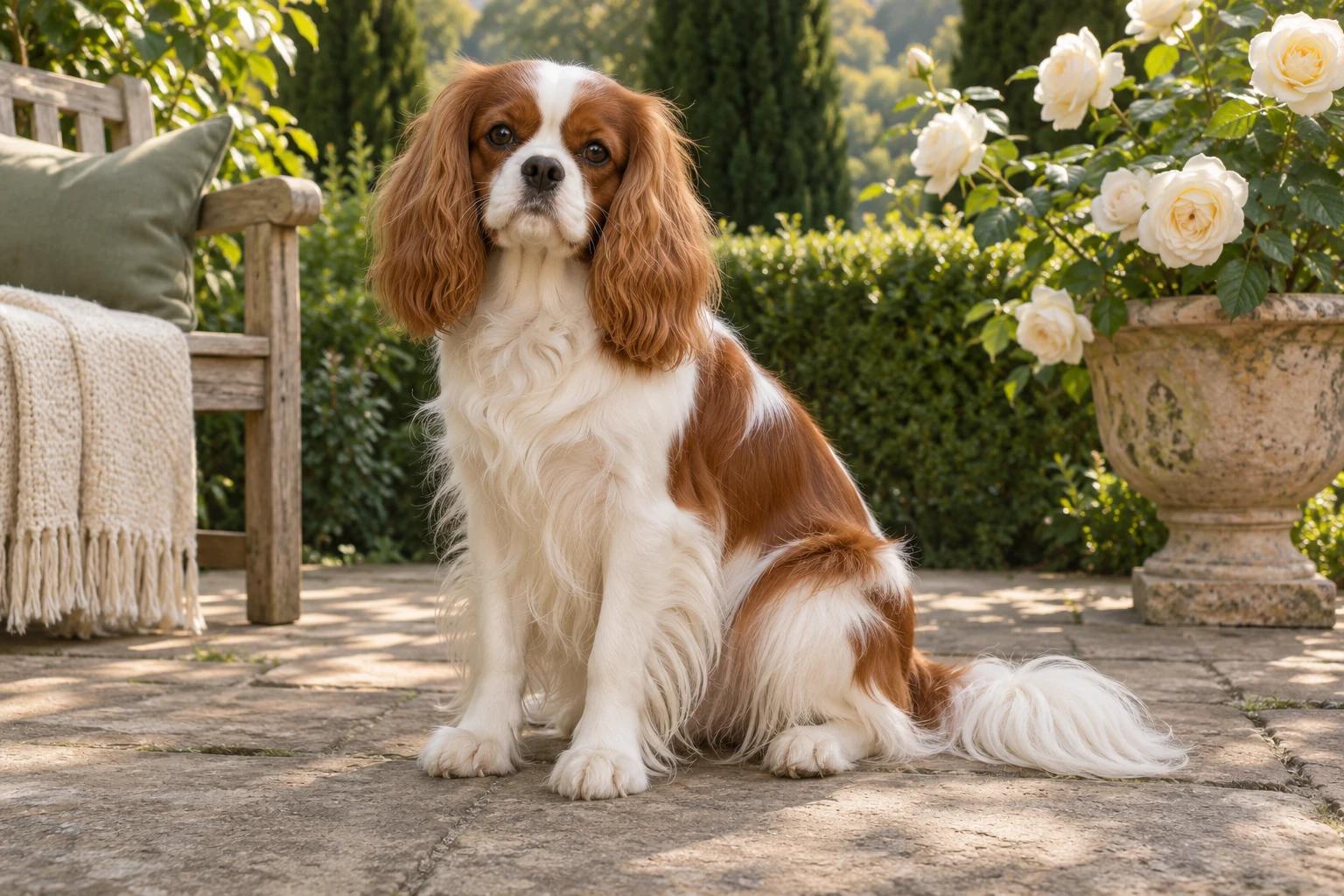
View breed profile →Cavalier King Charles Spaniel grooming is about caring for the feathering you can see and noticing the small tangles you might miss. Those soft ears and flowing fringes make the breed distinctive, but a lovely photograph does not show the work behind them. A useful plan combines a manageable home routine, a groomer's practical demonstration, and a dog that understands what is about to happen.
The Cavalier King Charles Spaniel profile describes the breed's silky coat. Begin with the coat in front of you rather than trying to reproduce another dog's appearance.
Cavalier King Charles Spaniel grooming starts with the feathering
The American Cavalier King Charles Spaniel Club standard describes silky hair, permits a slight wave, and identifies feathering on the ears, chest, legs, tail, and feet. It also specifies a natural presentation for competition. These are appearance criteria, not instructions to ignore a pet's practical care needs. ACKCSC breed standard.
Look at each feathered area separately when you discuss grooming. “His coat is fine” may describe the smooth back while missing a troublesome patch behind an ear. Ask your groomer to show you the places where your particular dog tangles and how to check them without pulling.
A simple coat map can help. Write “left ear,” “right ear,” “chest,” and the other relevant areas on a note, then mark anything that needs professional attention. This is not a medical record or a scoring system. It prevents the same awkward patch from being overlooked because the visible topcoat looks tidy.
Learn the technique before buying a large kit
AKC grooming guidance highlights regular brushing, gradual handling practice, and attention to the ears and feathered areas. It mentions pin or bristle brushes. Ask a groomer which tool suits your dog's current coat and have them demonstrate the pressure and direction to use. AKC Cavalier grooming guide.
You do not need a drawer full of unfamiliar tools. Start with a small set you know how to use, plus a place to keep it clean and accessible. A label on a brush tells you less than watching someone use it gently on the same type of coat.
If you meet resistance, do not pull harder to finish the stroke. Pause and identify whether you have found a tangle, whether the tool is unsuitable, or whether you need help. Close mats and sensitive areas are reasons to consult a professional, not invitations to experiment with scissors near skin.
When learning how to groom a Cavalier King Charles Spaniel, a useful first appointment may be partly a lesson for you. Ask the groomer to leave time for a demonstration instead of arranging only a drop-off and collection.
Separate learning to stand from completing the groom
A dog that enjoys sitting beside you may not understand why you suddenly want to hold a foot or lift an ear. Teach the setting first. Choose a stable, comfortable place, invite the dog into position, reward participation, and finish before adding a complicated task.
At another short practice, show the brush and perform only an easy stroke if the dog is comfortable. Build the routine in pieces. Trying to introduce a tool, a new position, a new person, and a full session together makes it harder to tell which part needs attention.
Use a clear ending. Put the tool away and allow the dog to leave instead of following it with the brush. If grooming is repeatedly difficult, ask for reward-based handling support. A sudden change in tolerance or a painful-looking area calls for veterinary advice rather than more practice.
Match the schedule to what the coat tells you
Cavalier King Charles Spaniel coat care should not depend solely on whether a salon appointment is approaching. Look at the feathering between visits and discuss how often this particular coat needs brushing. A long walk through leaves may create a different cleanup job from a quiet afternoon indoors.
Try attaching a coat check to an event you already notice, such as removing walking equipment. You are not committing to a full groom every time. You are checking whether anything has been caught or tangled so you can respond appropriately.
For bathing, ask your groomer to explain preparation, suitable dog products, rinsing, and drying for your setup. Do not put an unfamiliar dryer to work simply because the dog tolerates a household appliance elsewhere. If the coat is matted, get help before assuming a bath will resolve it.
Keep cosmetic grooming separate from treatment. Odour, irritated skin, discharge, or persistent scratching are matters for your veterinarian. An ear fringe needing a brush and an ear needing examination are different issues; one does not establish the other.
Be precise about the style you want
“Just tidy him up” can mean different things to different people. Say which features you want retained and which tasks you struggle with at home. If you want the characteristic feathered appearance, explain that clearly before the appointment begins.
A photograph can help communicate appearance, but pair it with practical questions. How will you maintain that length? Which areas are likely to need closer attention? What should you do between appointments? Agree on the plan before any trimming, particularly if your dog participates in conformation showing.
Cavalier King Charles Spaniel shedding is a separate consideration from styling. Brushing collects loose hair, but a shorter-looking coat should not be sold to you as a promise of a hair-free home. Set up ordinary cleaning arrangements and judge the individual coat rather than expecting a particular haircut to change every maintenance need.
For broader record keeping, the article on Cavalier heart records covers a different part of ownership. Grooming cannot replace veterinary assessment. If you are choosing a breed, use the breed quiz to consider whether regular hands-on coat care fits your preferences.
FAQ
Does a Cavalier need a show-style coat?
A Cavalier kept as a companion does not need a competition presentation. Discuss practical care and your preferred appearance with a knowledgeable groomer. If you intend to show the dog, consult the applicable standard before agreeing to trimming.
Should I cut a tight mat out myself?
Do not experiment with scissors close to skin. Ask a professional groomer to assess a tight mat and explain a suitable plan. If the area appears sore or the dog shows discomfort, contact your veterinarian rather than pushing through the grooming session.
Is a smooth back enough to show the coat is finished?
No. A Cavalier's feathered ears, chest, legs, and other fringed areas deserve separate attention. Ask your groomer to demonstrate how to check the coat comfortably, including areas that are less visible in an ordinary photograph.
Sources behind this article
- AKC: How to Groom a Cavalier King Charles Spaniel ↗
- American Cavalier King Charles Spaniel Club: Breed Standard ↗
Article source checked: November 15, 2026. Source checked 2026-11-15
Keep reading

Affenpinscher Grooming: A Practical Coat-Care Routine
Read article →