Caucasian Shepherd Dog vs Central Asian Shepherd Dog
Compare these guardian breeds through individual history, visitor management and handling expectations rather than appearance or toughness.
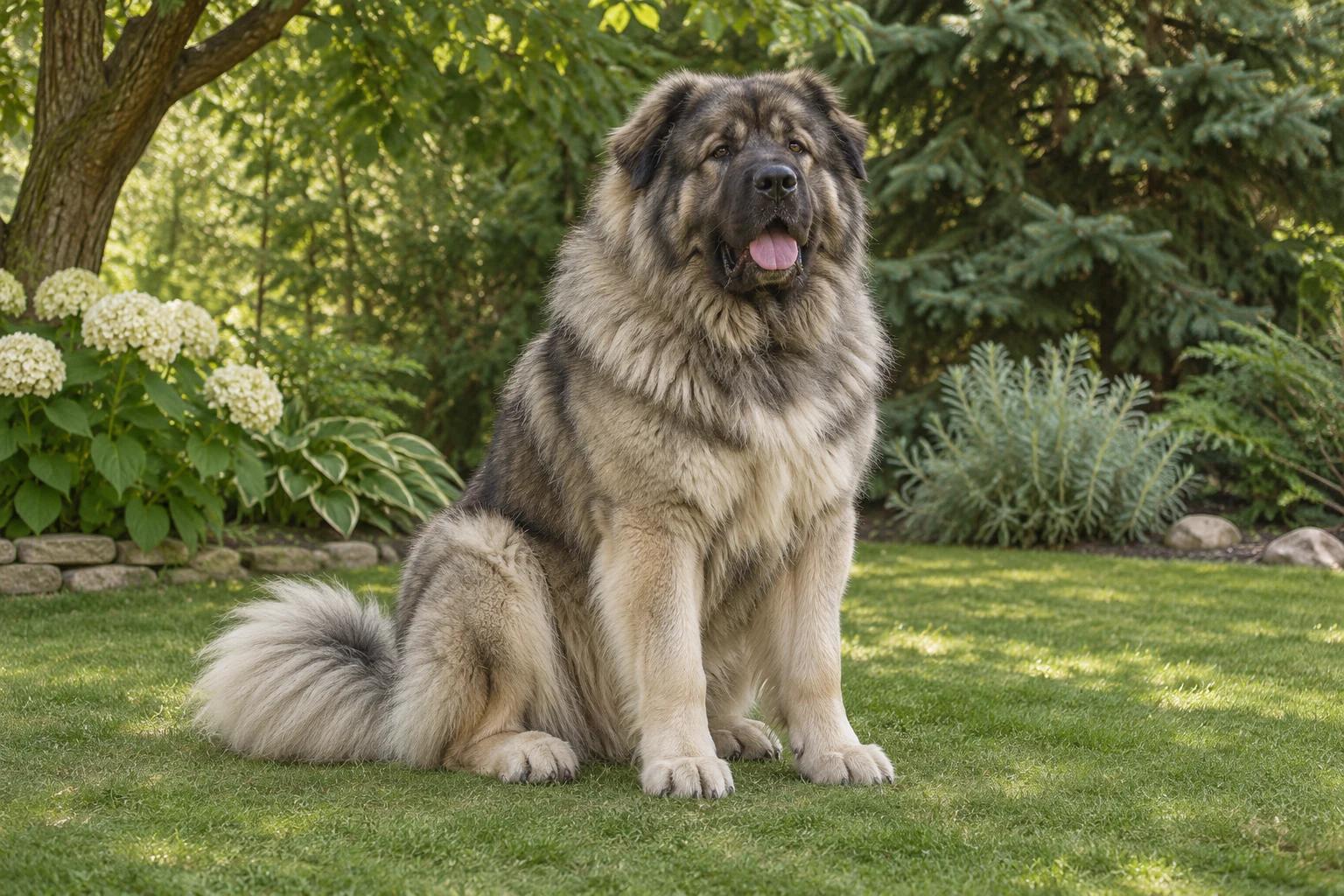
Caucasian Shepherd Dog vs Central Asian Shepherd Dog is a comparison between two serious ownership commitments, not a contest to find the tougher guardian. Both deserve more investigation than a photograph and a list of impressive adjectives. The useful question is which individual dog's background, behavior, and care arrangements fit the life you can actually provide.
Start with the Caucasian Shepherd Dog profile and Central Asian Shepherd Dog profile. Read the descriptive tendencies as prompts for questions, not predictions about a puppy or an unfamiliar adult.
Caucasian Shepherd Dog vs Central Asian Shepherd Dog: start with the overlap
The AKC identifies the Caucasian Shepherd as a serious guardian with strong attachment to familiar people. Its Central Asian Shepherd description emphasizes independence, confidence, and territorial instinct. These short descriptions establish a meaningful overlap: neither breed should be selected on the assumption that a guardian label means effortless household protection. Caucasian Shepherd reference, Central Asian Shepherd reference.
That overlap should shape your first questions. Who enters your property regularly? Who provides care when you are absent? What happens when contractors need access? Choosing between these dogs does not remove the need for secure arrangements and cooperation among household adults.
If your ideal companion joins every crowded gathering and accepts spontaneous approaches, reconsider the premise of the comparison. You do not need to decide which guardian is marginally closer to that ideal before exploring a different kind of dog.
Where the profiles differ
My Breed Atlas rates training responsiveness at three out of five for the Caucasian and four for the Central Asian. Openness to new people runs the other way: two for the Caucasian and one for the Central Asian. These are reference tendencies, not test results for individual dogs. They suggest different questions rather than a simple winner.
For a Central Asian, ask how its reported responsiveness translates into cooperation when unfamiliar people are present. For a Caucasian, ask which rewards and practice arrangements sustain engagement. Neither profile supports expecting automatic welcome for strangers. A higher training rating cannot compensate for an unsuitable visitor setup, and a slightly higher openness rating does not establish compatibility with a particular guest.
Compare actual social histories, not reputations
A Central Asian Shepherd Dog vs Caucasian Shepherd Dog comparison becomes much more useful when it concerns two real candidates. Ask each caregiver the same questions and record the answers separately. Consistent questions prevent a memorable anecdote about one dog from outweighing a detailed account of the other.
For visitors, ask about familiar friends and unfamiliar workers separately. For other dogs, distinguish established housemates from passing encounters. For handling, ask who can attach equipment and participate in ordinary care. “Friendly” and “protective” are too broad to answer all three categories.
Then ask what support makes those situations work. A caregiver may use a separate enclosure during arrivals or limit handling to known adults. Those arrangements are part of the dog's history, not fine print. Decide whether you can maintain them before interpreting a successful experience as compatibility with your home.
Do not turn independence into an obedience ranking
It is tempting to declare one breed easier and stop investigating. That shortcut overlooks the dog's learning history and the skills you need. A dog familiar with a working property may not know the routines of your household; a companion accustomed to indoor cues may not respond similarly outside.
Define your essential skills in plain language: move away from an entrance, follow a familiar handler, pause while equipment is prepared, and settle in an assigned area. Ask to see appropriate, ordinary examples rather than requesting a dramatic demonstration. Do not ask anyone to create a threatening scenario.
Both candidates deserve a reward-based approach. AVSAB recommends reward-based methods for training and behavior work rather than aversives. When interviewing a professional, ask how they reduce difficulty when a dog cannot respond and how they involve the household. AVSAB position statements.
The answer to “Caucasian Shepherd Dog or Central Asian Shepherd Dog?” may therefore depend less on a general training label than on the support already available for a particular animal. A documented history and an achievable transition plan are worth more than promises of instant obedience.
Separate coat preferences from the rest of the decision
Both My Breed Atlas profiles identify a double coat. Do not let an individual photograph become your whole grooming assessment. Ask to see the actual dog's coat, the tools currently used, and how it responds to routine handling. Coat presentation can differ, and a picture does not show the work involved.
Consider grooming as a cooperative task, not simply a cleaning burden. Can the caregiver show how they begin and end a session? Does the dog have experience with a professional groomer? What help would you need to continue its established routine? These questions remain useful even when you prefer one dog's appearance.
Avoid using this comparison to decide which dog will shed a precise amount or require a fixed grooming schedule. Establish the individual care plan with a knowledgeable groomer and ask a veterinarian about skin or coat concerns. Appearance should not crowd out the behavior and access questions that determine whether routine care is manageable.
A working label is not a placement plan
If you are considering a guardian for livestock, explain the actual job to an experienced adviser. Name the animals, existing dogs, boundaries, and people who enter the area. Do not assume either breed's history equips every puppy or adult for that setting without preparation.
For a companion home, be equally specific. Describe the people who visit, your existing animals, and who will share handling. A placement conversation that ignores these details is not made more useful by extensive discussion of ancestry or intimidating appearance.
The difference between Caucasian Shepherd Dog and Central Asian Shepherd Dog cannot be reduced to a promise that one is more suitable for every farm or every household. Ask about the particular dog's demonstrated experience and what remains untested. An honest unknown is preferable to a confident guess.
Make the final comparison about evidence
Create a short record for each candidate with four headings: known experience, arrangements needed, unanswered questions, and available support. Keep observations separate from expectations. “Has met this caregiver weekly” is evidence; “will probably accept our dog walker” remains an assumption.
You can revisit how Caucasian Shepherd size figures are presented if measurements are influencing your choice, but this is not a biggest-dog competition. The breed quiz can help clarify the lifestyle you want. Neither a quiz result nor a breed comparison replaces a careful discussion about the individual.
FAQ
Which breed is easier for a first-time guardian owner?
There is no dependable winner for every first-time guardian owner. Compare the individual dog's history, the management it requires, and the knowledgeable support available. If visitor boundaries and shared handling already seem impractical, reconsider both options rather than choosing the supposedly easier one.
Can appearance tell these dogs' temperaments apart?
Appearance cannot establish either dog's temperament. Request concrete examples involving visitors, familiar handlers, and other animals. A striking coat or imposing outline supplies little information about how the dog responds during ordinary care or an unfamiliar arrival.
Should I choose the stronger protector?
Choose on the basis of a manageable, well-understood individual and a suitable role, not a claim about stronger protection. Never arrange confrontation tests. Guardian ownership requires preventing uncontrolled situations and maintaining practical cooperation, whichever breed you select.
Sources behind this article
- American Kennel Club: Caucasian Shepherd Dog ↗
- American Kennel Club: Central Asian Shepherd Dog ↗
- AVSAB: Position Statements and Handouts ↗
Article source checked: November 15, 2026. Source checked 2026-11-15
Keep reading

Affenpinscher vs Brussels Griffon: Everyday Differences
Read article →