Caucasian Shepherd Dog Temperament: Reading the Individual
Understand Caucasian Shepherd Dog temperament through visitor expectations, household cooperation and useful questions about an individual dog.
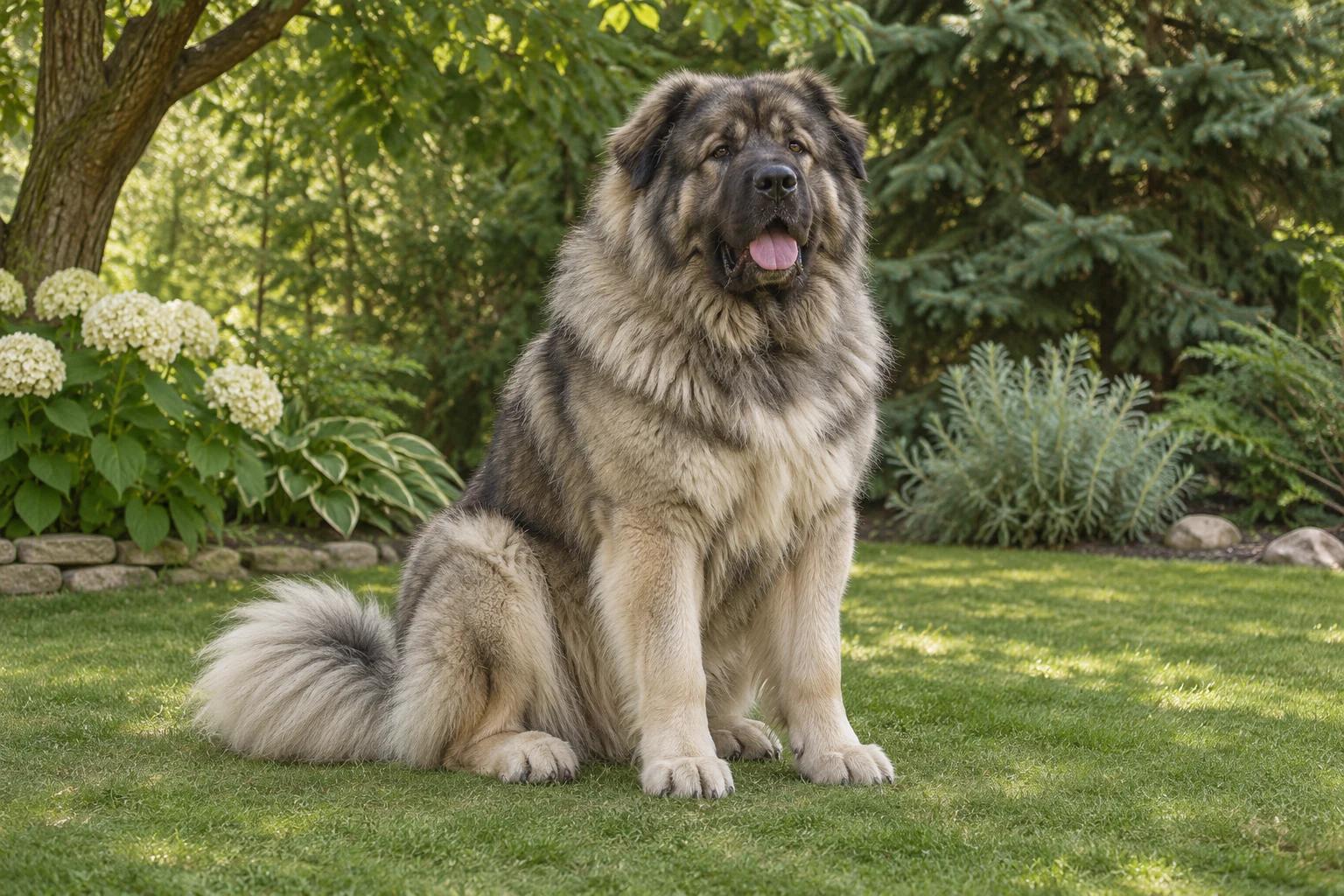
Caucasian Shepherd Dog temperament is easiest to understand by separating familiarity from openness. A dog may enjoy life with its own people without wanting strangers to approach. That distinction matters more than a dramatic label such as “fearless.” Before choosing this breed, consider whether you want a sociable companion for frequent introductions or a watchful dog whose interactions need deliberate management.
The Caucasian Shepherd Dog profile is a starting point for those questions. It cannot tell you how an individual will respond to your neighbour, another dog, or a visiting relative.
Caucasian Shepherd Dog temperament is more than boldness
The American Kennel Club describes the breed as a serious guardian, contrasting its protective response to threats with devotion to familiar people. The practical point is that affection and guarding tendencies can exist in the same dog. Neither description cancels the other. AKC breed reference.
Rather than asking whether a dog is “nice,” ask what happens in specific situations. Who can enter the property? Does the caregiver put the dog away before opening a gate? Can a familiar friend help with routine care? What changes when the usual handler is absent? These questions reveal the arrangements behind an apparently relaxed meeting.
A dog resting quietly during your visit may be benefiting from careful preparation. Ask about that preparation instead of assuming the scene would unfold identically without it. Good information includes what the household avoids as well as what it does successfully.
Affection does not have to look outgoing
When discussing Caucasian Shepherd Dog personality, leave room for companionship that is not constant physical contact. Notice how the individual chooses to spend time with familiar people. Does it approach for attention, remain nearby, or prefer a separate resting spot after an interaction?
These observations help match expectations. Someone who imagines every friend joining in affectionate greetings may want a different kind of social experience. Someone comfortable with a dog having a smaller circle still needs a realistic plan for visitors and care. Respecting preferences is not the same as allowing the dog to decide who may enter a shared space.
Ask everyone in the household what companionship means to them. One person may picture quiet company while another expects a dog that joins every gathering. Resolving that mismatch before bringing a dog home is more useful than debating whether the breed is loving enough.
Watchfulness changes how hospitality works
For a watchful guardian, a party is not simply a normal evening with more chairs. People arrive at different times, move between rooms, and open doors without knowing the dog's arrangements. Decide whether the dog will participate at all, rather than assuming inclusion is always desirable.
A separate, secure resting area can be part of your hosting plan. Practise using it during uneventful periods so the first experience does not coincide with a crowded house. Assign one adult to check barriers and coordinate arrivals. Guests should not be invited to “prove” that the dog likes them.
Planning for a gathering makes the responsibilities of watchfulness visible. If maintaining boundaries around visitors feels incompatible with your home, that is meaningful information about fit.
Ask about other dogs without seeking a blanket answer
Caucasian Shepherd Dog characteristics do not establish whether a particular pair will live together comfortably. Ask for descriptions of actual experience: dogs in the same household, unfamiliar dogs encountered outside, and situations involving shared items or attention.
A statement such as “lived with another dog” needs context. Were they together freely, separated for meals, or managed in different areas? How long did they live together? Were there situations the caregiver avoided? None of these answers should be treated as a prediction about your own dog, but they can expose assumptions in a proposed match.
Arrange any introduction with appropriate professional guidance rather than staging a close encounter to see what happens. Do not borrow an unfamiliar dog as a temperament test. If the household already includes animals, their needs are part of the decision from the beginning, not an adjustment to make after commitment.
Read behavior in context, not as a character verdict
“Stubborn” is a conclusion. “Stayed at the gate when called while a person walked past” is an observation. The second description gives a trainer something to work with. Keep the location, distraction, handler response, and outcome together when discussing Caucasian Shepherd Dog behavior.
AVSAB recommends reward-based training rather than aversive methods. That provides a useful standard when choosing help: ask what the professional would do if the dog did not respond, not just what results they promise. AVSAB position statements.
You do not need to manufacture a difficult situation to obtain an honest account. Ask the current caregiver about recent ordinary events and any previous incidents. Request straightforward answers about management, training support, and known limitations. If important details remain unclear, pause the decision rather than filling the gaps with confidence about the breed.
Sudden changes in behavior or tolerance should be discussed with a veterinarian. Temperament labels are not a substitute for investigating a new concern, and an online description cannot determine its cause.
Decide what you can sustain
Think beyond whether you personally feel confident holding the lead. Who helps when you are away? Can that person follow the same visitor arrangements? Are all adults willing to keep gates secure and decline unsolicited greetings? The strength of a plan lies in its ordinary use, not in one person's exceptional handling.
Avoid making appearance the deciding factor. Reading Caucasian Shepherd size figures explains why impressive measurements need context; temperament deserves equally careful interpretation. Use the breed quiz to clarify your preferences, then discuss the individual dog with people who know its history.
FAQ
Are Caucasian Shepherd Dogs affectionate?
A Caucasian Shepherd Dog may be affectionate with familiar people while remaining reserved with others. Ask how the individual seeks contact and spends time with its household. Family devotion does not imply a preference for greetings or handling by strangers.
Does a calm meeting establish temperament?
One calm meeting shows how a dog behaved in that particular setting. Ask what preparation and management made the meeting possible, and request examples from other ordinary situations. Do not deliberately provoke a response to obtain more information.
Is independence a reason to use harsher training?
No. Independence is not a justification for intimidation. Choose reward-based help, define the behavior you want to teach, and consider whether the practice setting is too difficult. Discuss a sudden behavior change with your veterinarian instead of assuming it reflects the dog's personality.
Sources behind this article
Article source checked: November 15, 2026. Source checked 2026-11-15
Keep reading

Airedale Terrier Temperament: What Everyday Life Can Feel Like
Read article →