Cane Corso grooming: a practical short-coat guide
Understand Cane Corso grooming, undercoat and loose hair, with a simple brushing approach and clear boundaries for professional care.
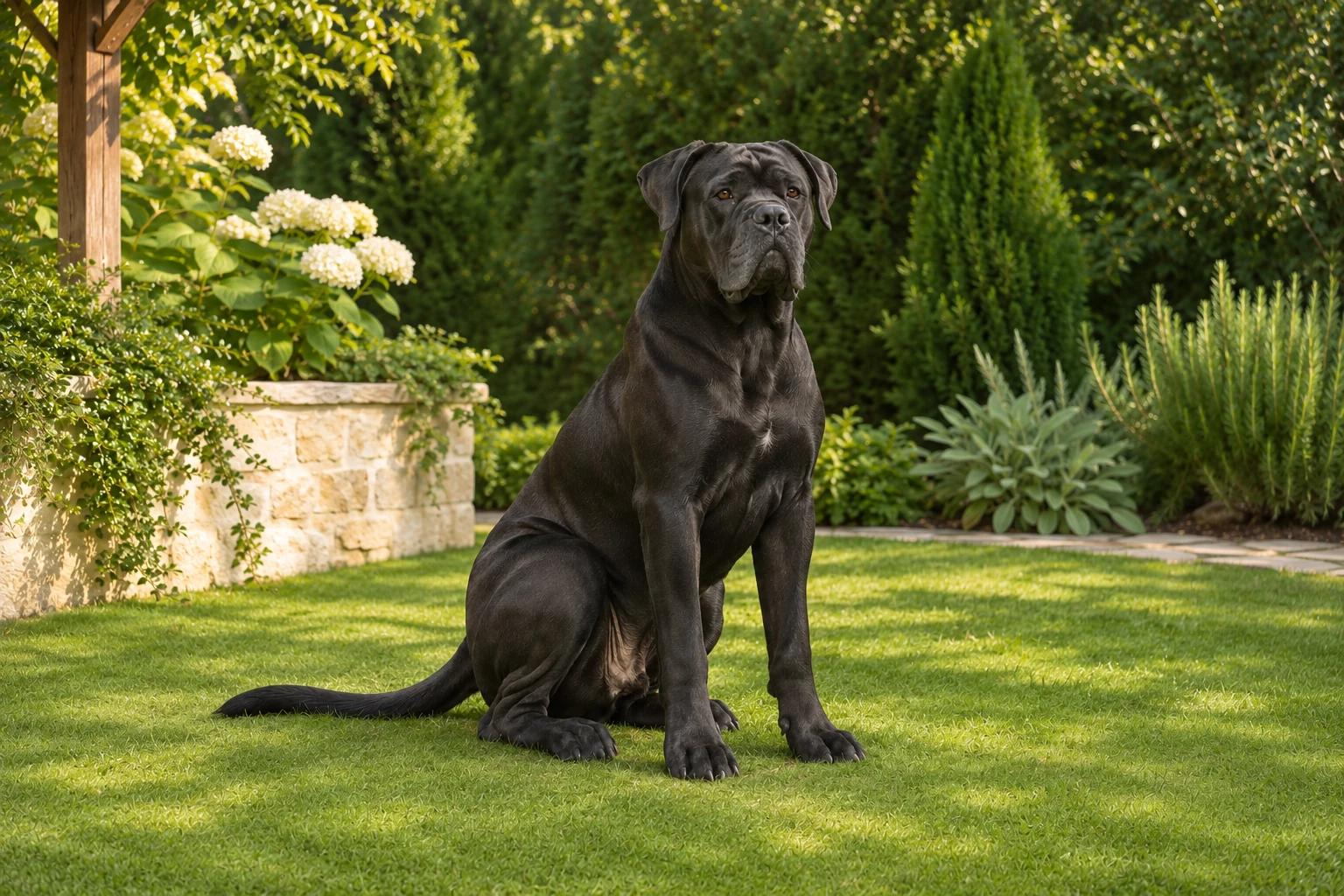
Cane Corso grooming starts with a useful distinction: short hair is not the same as a single coat. The Cane Corso Association of America describes an undercoat, year-round shedding and weekly brushing to remove loose hair. That gives owners a better starting point than judging the work by coat length alone.
The Cane Corso profile lists a short, smooth coat. A sensible grooming plan respects that texture without trying to turn a naturally close coat into a styling project. The goal is manageable routine care and comfortable participation, not a permanently hair-free home.
Cane Corso grooming: learn the coat before buying tools
Begin by asking an experienced groomer to show you a suitable brush on your own dog. Notice the pressure, direction and length of the strokes. A demonstration is more useful than purchasing every tool labeled for shedding, especially when several products promise similar results.
Build the kit around what you actually use. A brush you can handle comfortably, washable towels and a place to collect loose hair may be more useful than a large box of unfamiliar equipment. Keep tools clean and check their condition before each session. Damaged surfaces are not improved by pressing more gently.
If a grooming appointment is available, ask to discuss the routine rather than requesting a dramatic transformation. Tell the groomer what you can realistically maintain at home. Their explanation should leave you knowing what to do next, which tasks to leave to them and how to recognize when the plan needs reviewing.
Brush for the coat, not for a quota
Cane Corso coat care benefits from a modest, repeatable approach. Start in an area where your dog is comfortable being touched. Pay attention to its response as well as the hair collected. Producing a large pile is not evidence that a session was better than a shorter, uneventful one.
Work through the areas you can reach comfortably, changing your own position instead of twisting the dog into place. Check whether you are repeatedly brushing the same easy patch while missing somewhere else. A simple note of areas completed is useful when sessions are divided rather than finished in one sitting.
Do not scrape, pull or keep working a place that seems uncomfortable. A new skin change or painful response is a reason to stop and contact your veterinarian, not an invitation to try stronger equipment. Routine grooming and investigating a health concern are separate tasks.
Learn what a normal session looks like
Record your own baseline for a few sessions: tool used, areas covered and whether the dog participated comfortably. There is no need to weigh collected hair or create a complicated score. The point is to notice meaningful changes without making every loose strand a problem to solve.
Handle shedding as two different jobs
Cane Corso shedding creates work on the dog and work around the home. Brushing addresses loose coat; cleaning textiles and upholstery addresses hair already deposited. Neither job can completely replace the other, and more vigorous brushing is not a reliable answer to hair on a favorite chair.
Try cleaning one resting cover at a time so the dog still has a familiar place available. Choose washable fabrics for areas it actually uses rather than protecting furniture it never approaches. Keeping a spare cover can simplify laundry without adding another task to the grooming session itself.
Seasonal changes can alter the amount of loose hair you notice. Adjust household cleaning to what is happening, but do not assume every change is ordinary shedding. Patchy loss, soreness or persistent irritation belongs in a veterinary discussion. A breed description cannot explain an individual skin problem.
Make the bath decision practical
The parent club describes bathing as an as-needed task. In practice, distinguish muddy paws from a coat that needs a full wash. Not every outdoor outing has to become a bath, and an arbitrary calendar should not replace noticing what your dog actually needs.
Before bathing, think through access, footing, water control and drying. Have supplies ready so you do not have to leave an unsettled dog while searching for a towel. If the physical setup is awkward or your dog is uncomfortable, arrange help from a groomer instead of improvising difficult lifting or restraint.
Ask which dog-appropriate products suit the routine. Leave medicated products and skin-treatment decisions to your veterinarian. A strong fragrance, shiny finish or expensive label is not proof that a product is suitable for your particular dog.
Teach participation separately from completing care
The American Kennel Club identifies the breed as trainable. That does not mean a Cane Corso automatically understands brushing, towel drying or nail equipment. Treat each unfamiliar part of care as something to introduce, rather than assuming body size comes with patience.
When learning how to groom a Cane Corso, distinguish a practice session from an essential appointment. Practice might involve standing comfortably while you briefly handle a brush nearby. An appointment has a care objective. If necessary care cannot be completed comfortably, discuss a suitable plan with the relevant professional rather than extending practice into a struggle.
Nail, mouth and ear care deserve their own demonstrations. Do not infer a cutting depth, cleaning technique or treatment from a general coat-care article. Tell the professional what you have attempted, what your dog accepts and exactly where the difficulty begins.
Keep grooming records useful, not elaborate
A short appointment note can prevent repeated misunderstandings. Record the tools demonstrated, tasks completed and any advice you need to follow up. If you noticed a new concern, describe the observation clearly rather than assigning a diagnosis.
Grooming support also depends on accurate information about handling. Discuss that with the professional before booking, not when the dog is already expected to stand on unfamiliar equipment. If the visit takes place at home, the separate Cane Corso visitor article covers arrival planning without treating the appointment as a social test.
For prospective owners, include this quiet maintenance work in your decision alongside the breed's appearance. The breed match quiz is one way to organize preferences, but seeing an ordinary grooming session can make the commitment more concrete than a finished photograph.
FAQ
Does a Cane Corso have an undercoat?
Yes. The Cane Corso Association of America describes an undercoat despite the breed's short outer coat. Choose tools and a routine appropriate to the actual coat rather than assuming that short hair means brushing has no purpose.
Can brushing stop Cane Corso shedding completely?
No. Brushing removes loose hair but does not make the coat stop shedding. Combine comfortable coat care with ordinary household cleaning. Do not increase pressure or prolong a session simply to produce more hair on the brush.
Should every grooming task happen in one session?
Not necessarily. Brushing, bathing and detailed care can involve different skills and support. A manageable arrangement may separate them. Ask a groomer for practical demonstrations and consult your veterinarian about discomfort or health-related concerns.
Sources behind this article
Article source checked: November 15, 2026. Source checked 2026-11-15
Keep reading

Affenpinscher Grooming: A Practical Coat-Care Routine
Read article →